The Sacred & The Profane
"The Renaissance Nude" at The Getty
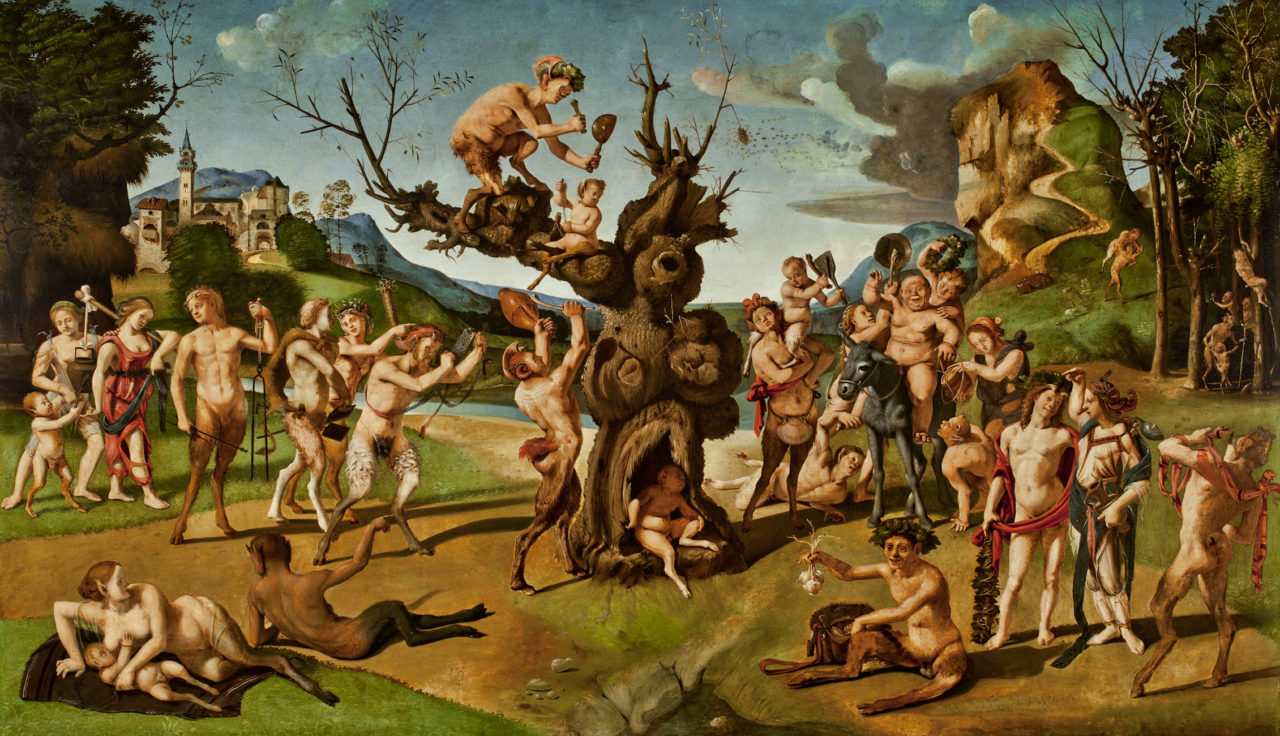

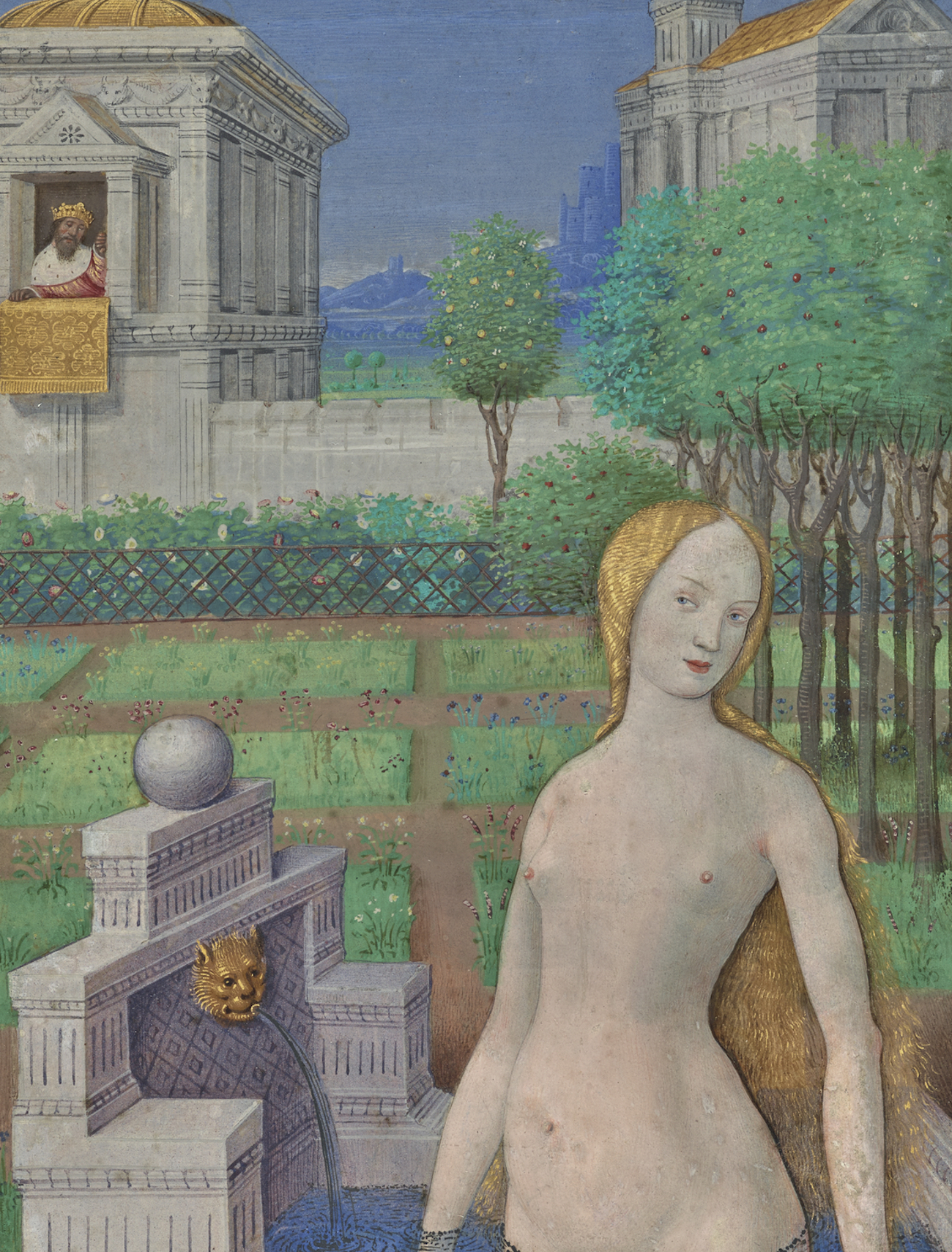
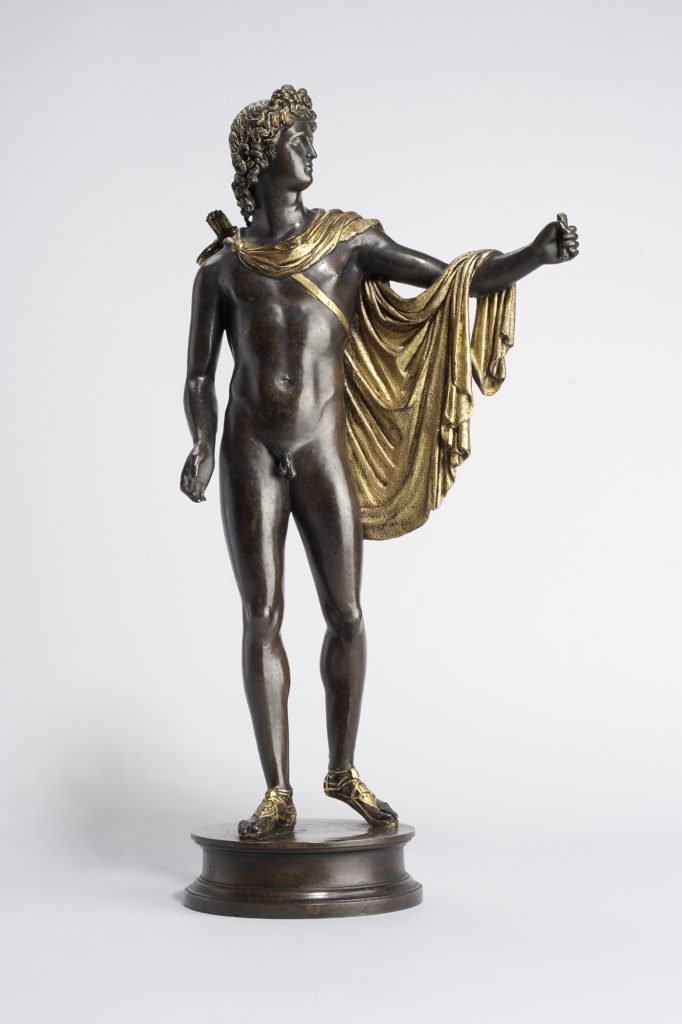
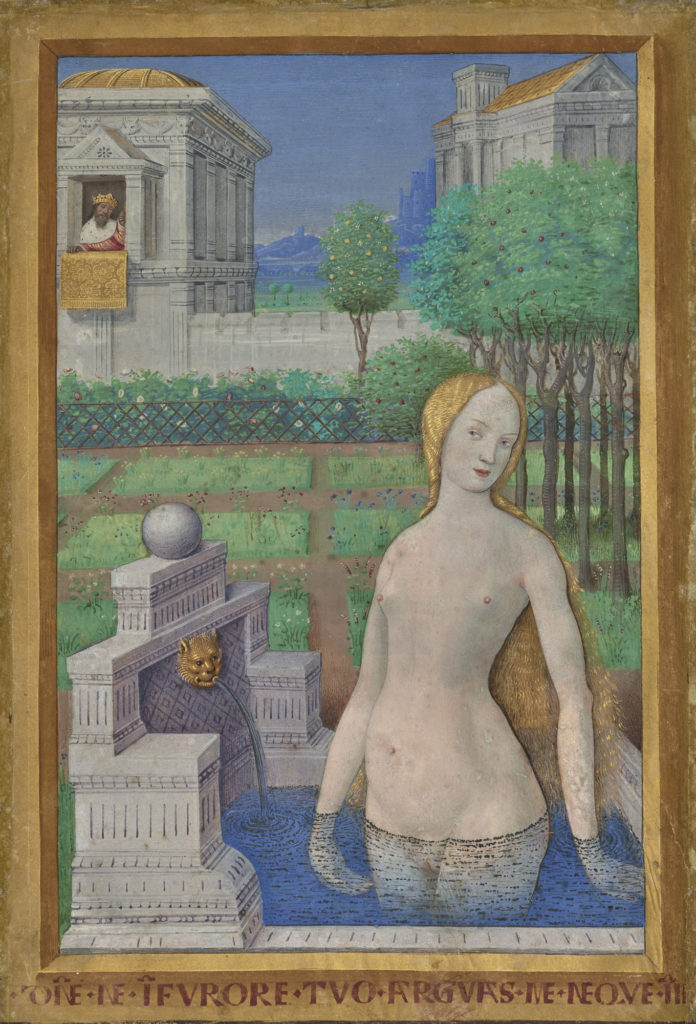
From ancient civilization to today, the nude has been one of the most common subjects in western art. Of course, cultural norms and styles evolved through the ages, but one of the great tides of the nude in art was during the Renaissance. At a sprawling exhibition at the Getty Museum in Los Angeles, titled simply The Renaissance Nude, the nude is held up as a symbol of that era’s religion, eroticism, style, and culture.
At the end of the Middle Ages (around 1400), Italy was at the forefront of humanism and a rediscovery of the art of the ancient Greeks and Romans. After some time, these teachings spread throughout Europe, and caused a flourishing in all forms of the arts. In visual art, this led to more realistic, three-dimensional works. Perspective, foreshortening, and chiaroscuro were reintroduced, and the results increasingly became more detailed and beautiful. A large part of this rapid development was due to the support from wealthy nobility and the Church. As propaganda and as an educational tool, art was invaluable to maintaining the power of Catholicism. It could communicate Biblical teachings and stories, and the sheer beauty of these works also were seductive and awe-inspiring to the average Christian.
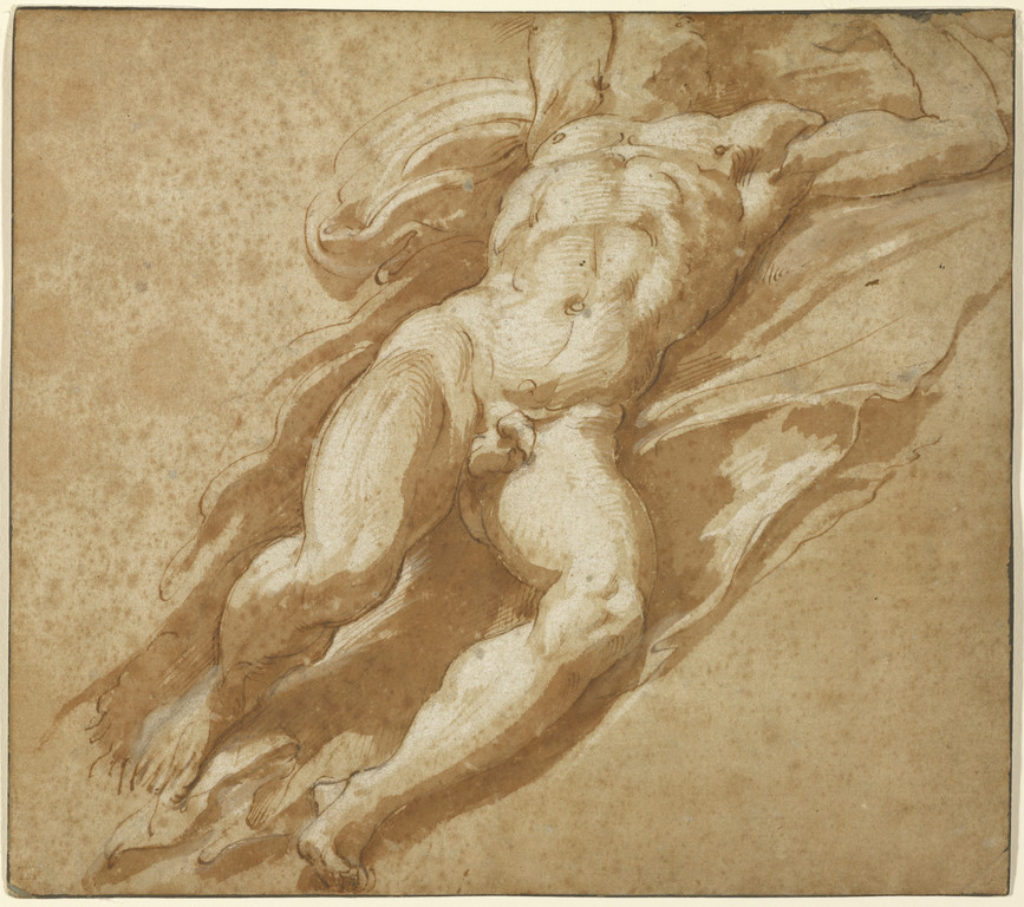
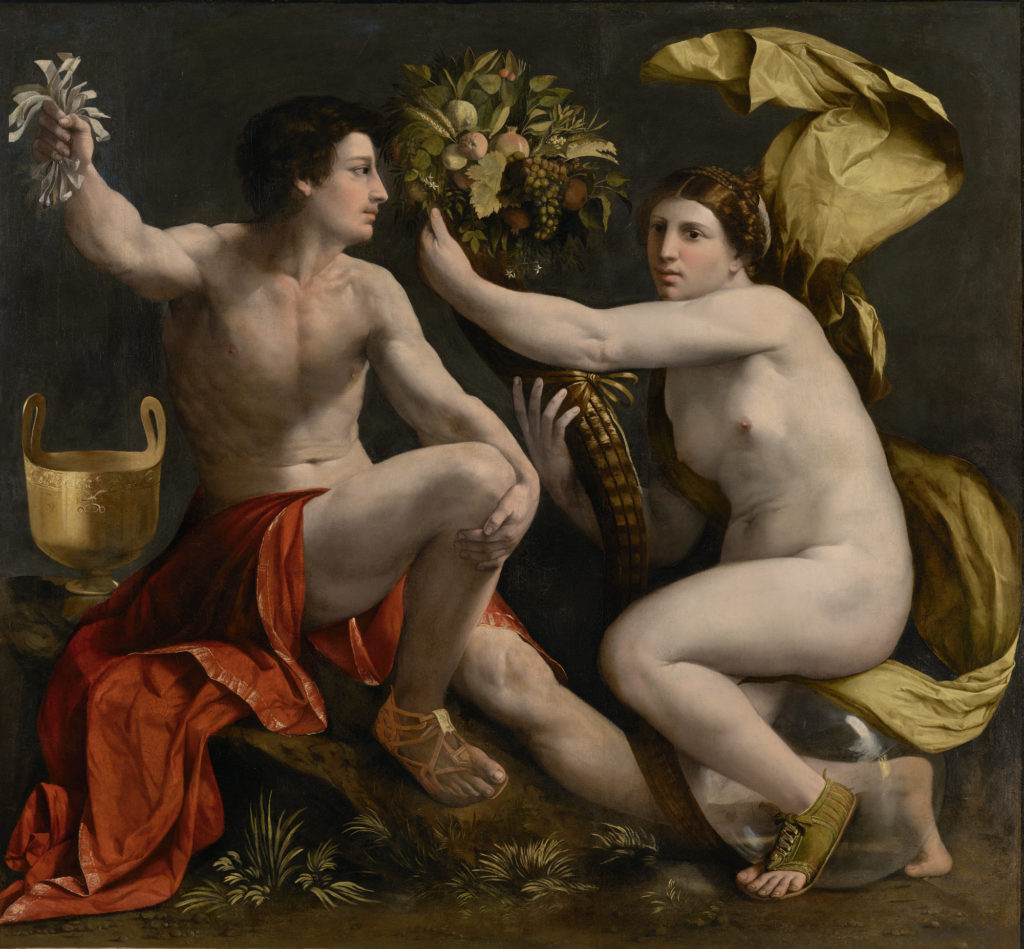
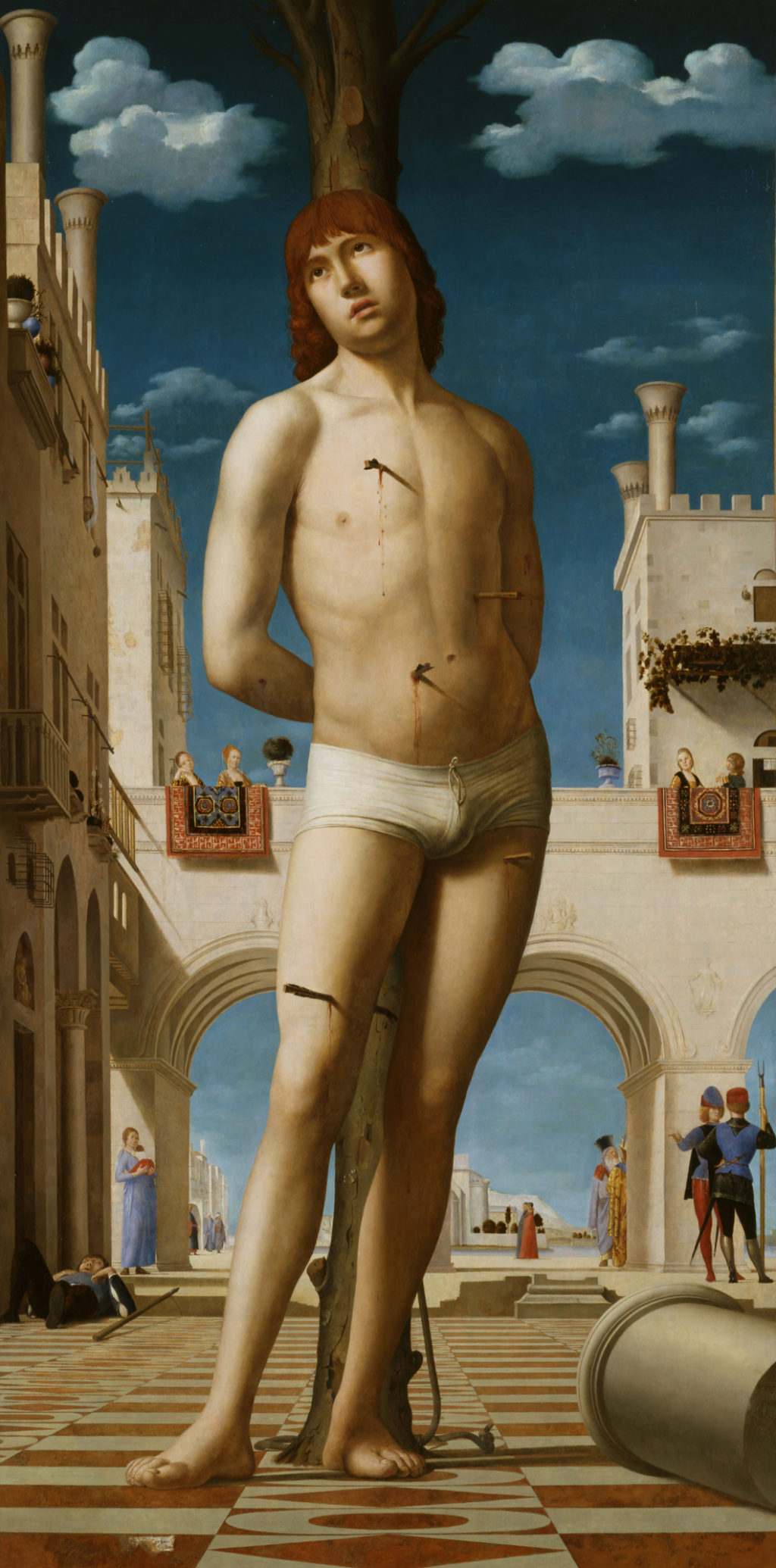
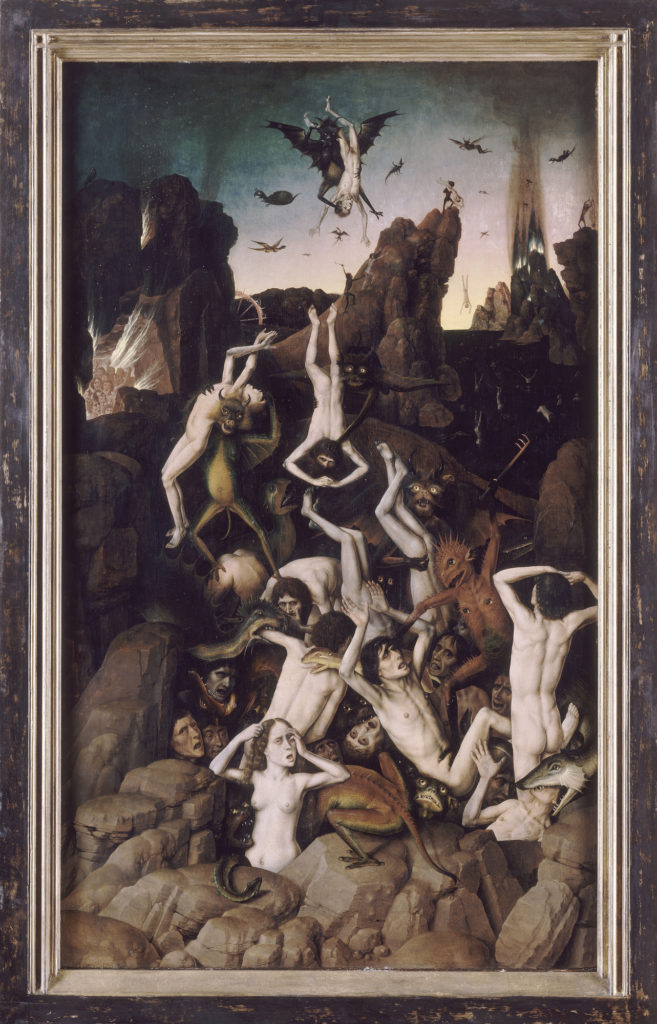
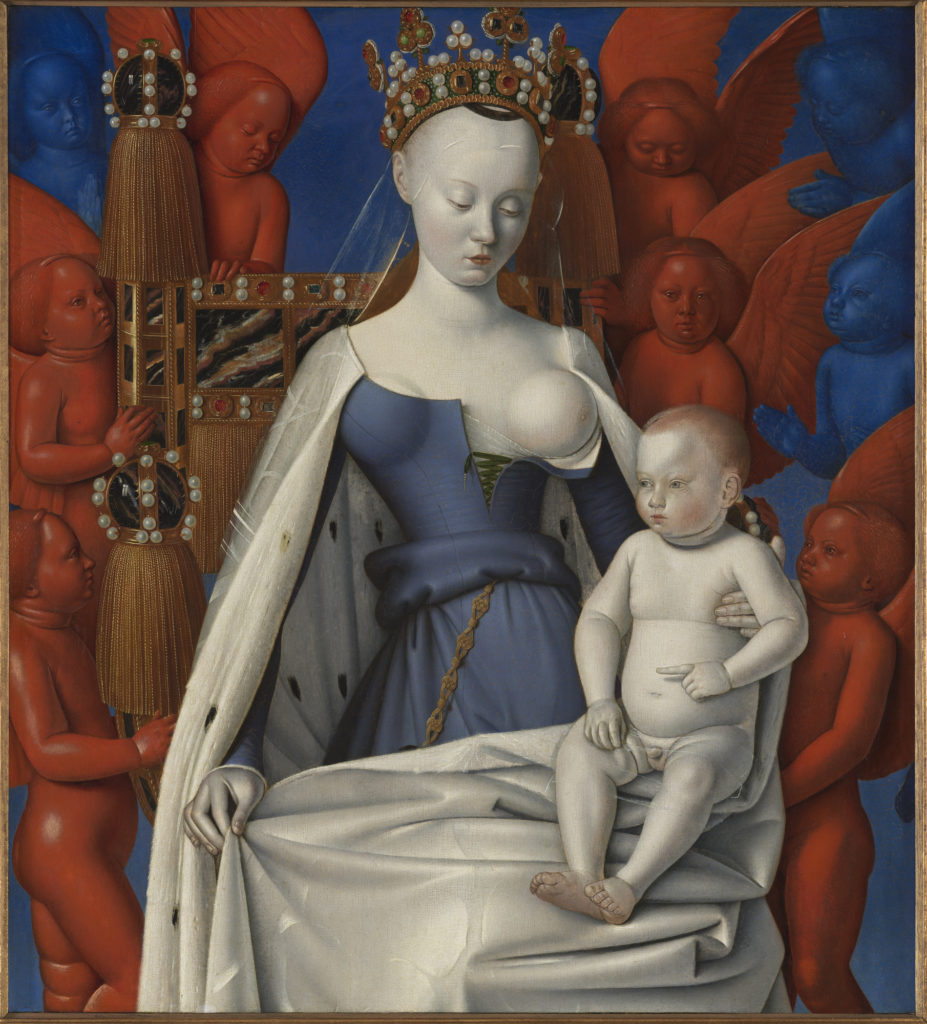
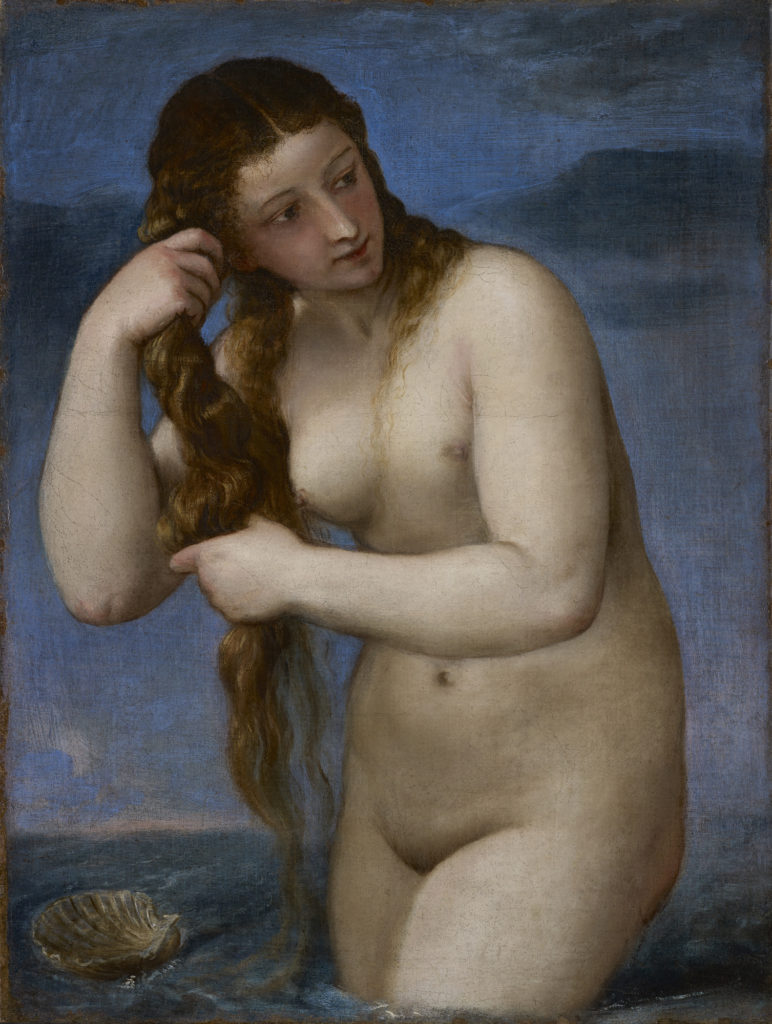
With humanism also came the teachings of Latin and Greek languages, a push for greater education, and a revival of mythology. As seen in this exhibition, the nude also rose to prominence. Scenes from myths and from the Bible displayed bodies for a number of symbolic purposes. For example, paintings of Adam and Eve are often shown happily nude before their expulsion from Eden in order to show a lack of shame and sin. Following their fall from grace, they often are depicted as cowering and attempting to cover their bodies. Christ and other martyrs like Saint Sebastian are also painted or sculpted nude or semi-nude as a mark of sacrifice and humility. However, other paintings were more clearly about sensuality, and not a lesson from a gospel. A few works from the show that exemplify this is Titian’s Venus Rising from the Sea or Parmigianino’s Reclining Male Figure. Sometimes the Church caught on and would attempt to censor certain works because they were viewed as obscene, but often the guise of biblical or mythical narrative could save the work from destruction.
The Renaissance Nude elegantly shows how the nude body was actually a sociological portrait of this time period in Europe. Art was carefully controlled by religion and power, and the nude form could be used to impart the Church’s lessons of humility, kindness, salvation, or damnation. However, it could also communicate all forms of desire for all genders and orientations, and therefore artists often subverted and rebelled against social and religious norms. In retrospect, the Old Masters may have been aided by powerful institutions, but they helped move society an inch closer towards a liberation of the mind.