JUST A DREAM
20 Years Of Vincent Valdez
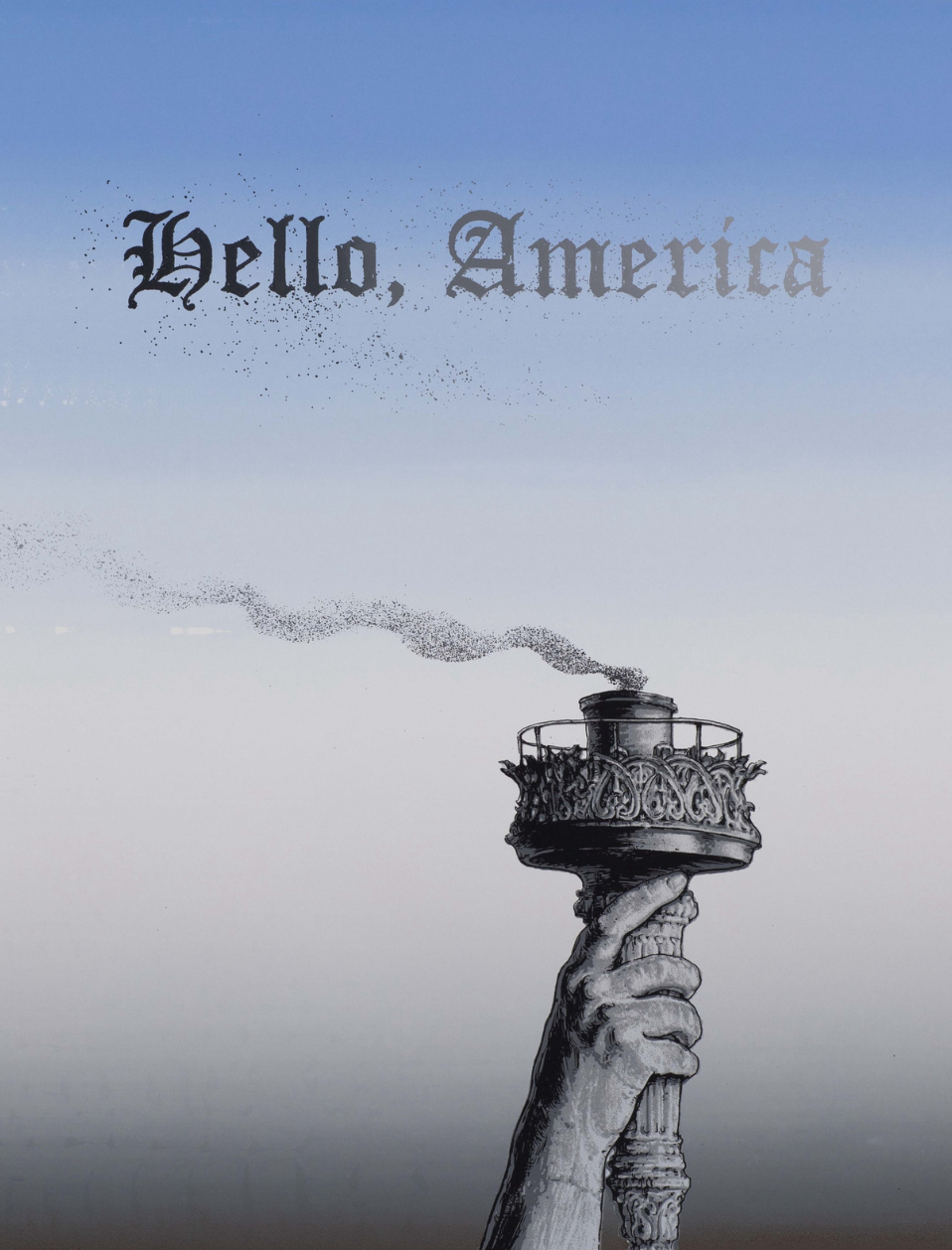
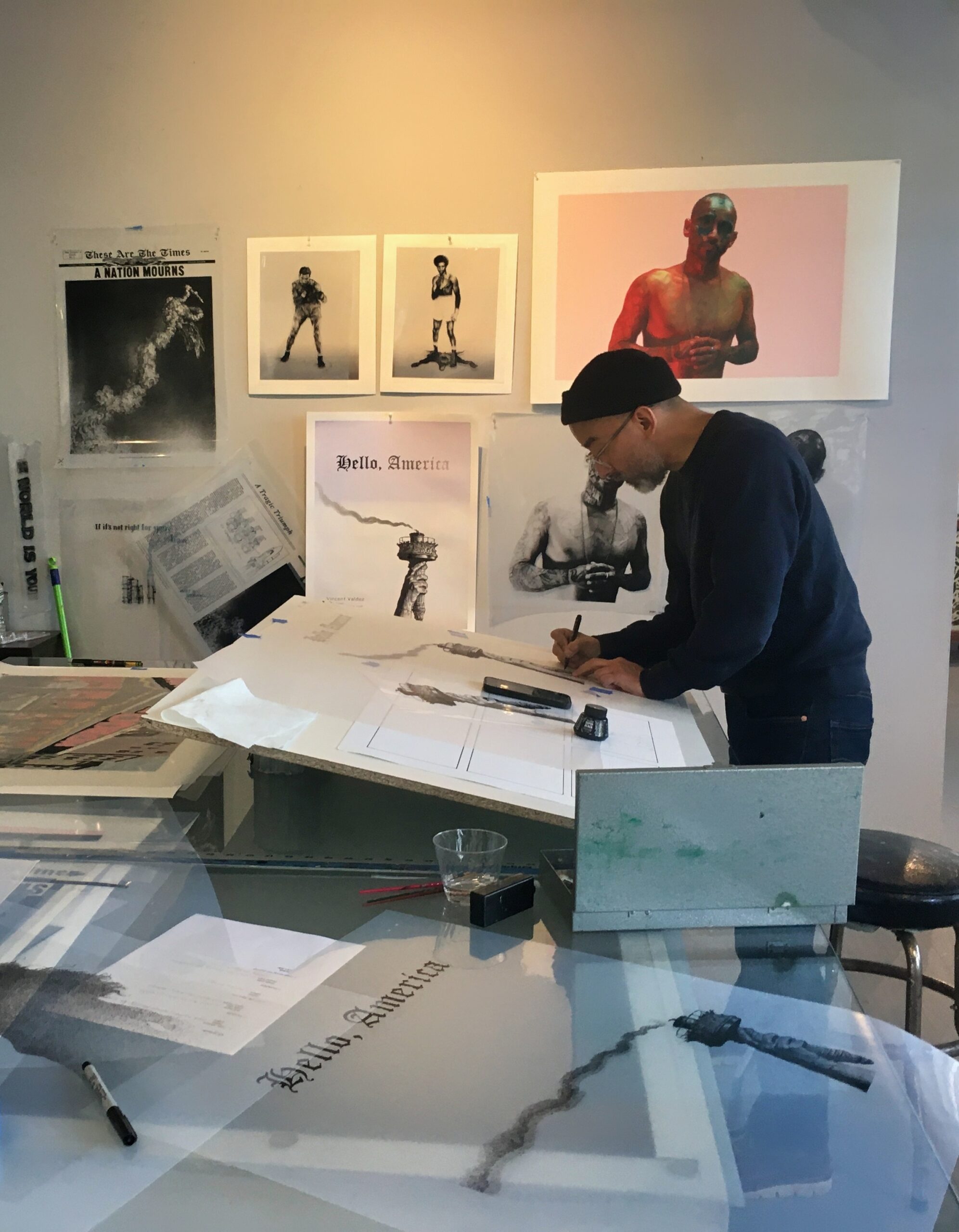
Vincent Valdez bears a heavy cross. A visual artist and a teller of hard truths, he sets out to correct historical inaccuracies and turn over a blanket of societal amnesia through his work. He conveys societal injustices in infinite detail, whether that be through his paintings, drawings, sculptures, or other media. The San Antonio native sets his instruments against the canvas and illustrates the darker facets of historical and modern-day America.
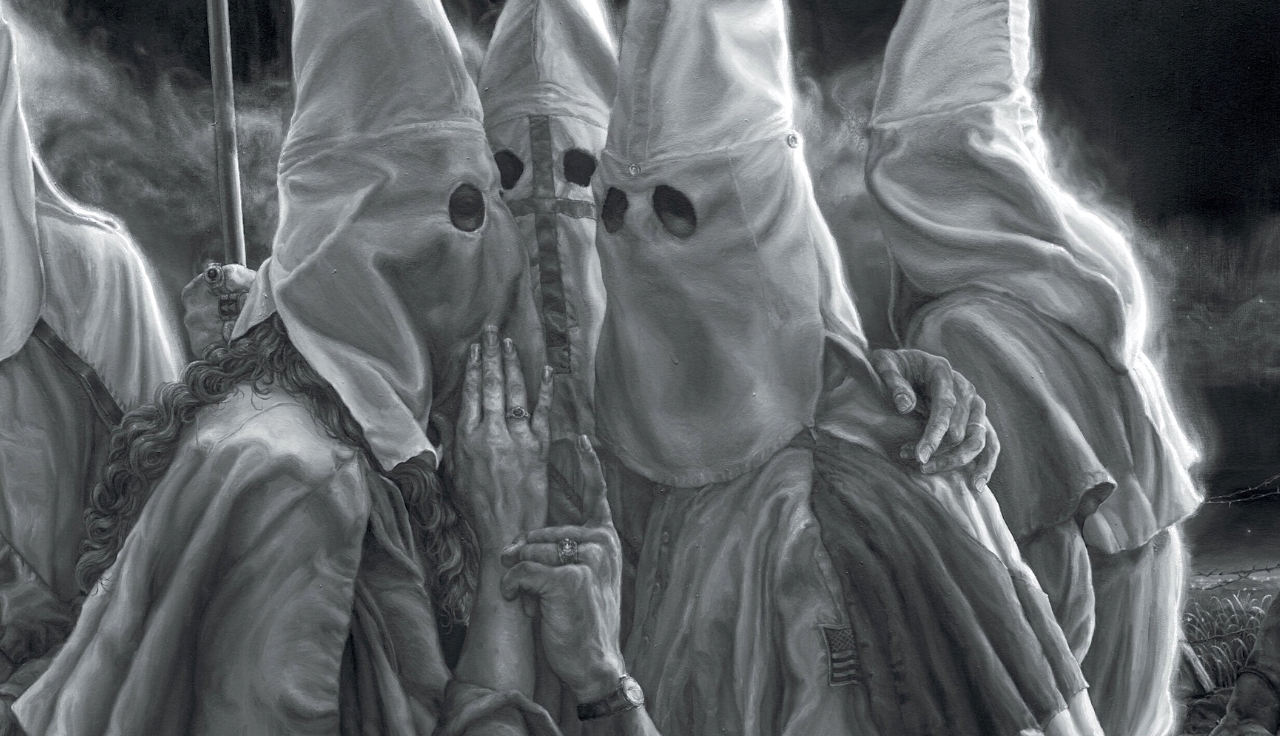
Some of his most notable works display portals into uncomfortable and unfamiliar terrains: an us-versus-them bar brawl representing LA’s 1943 Zoot Suit Riots, the black flowery podium hosting eulogists at Muhammad Ali’s funeral, and a night scene depicting a huddle of Ku Klux Klan members in the inky illumination of Chevrolet headlights.
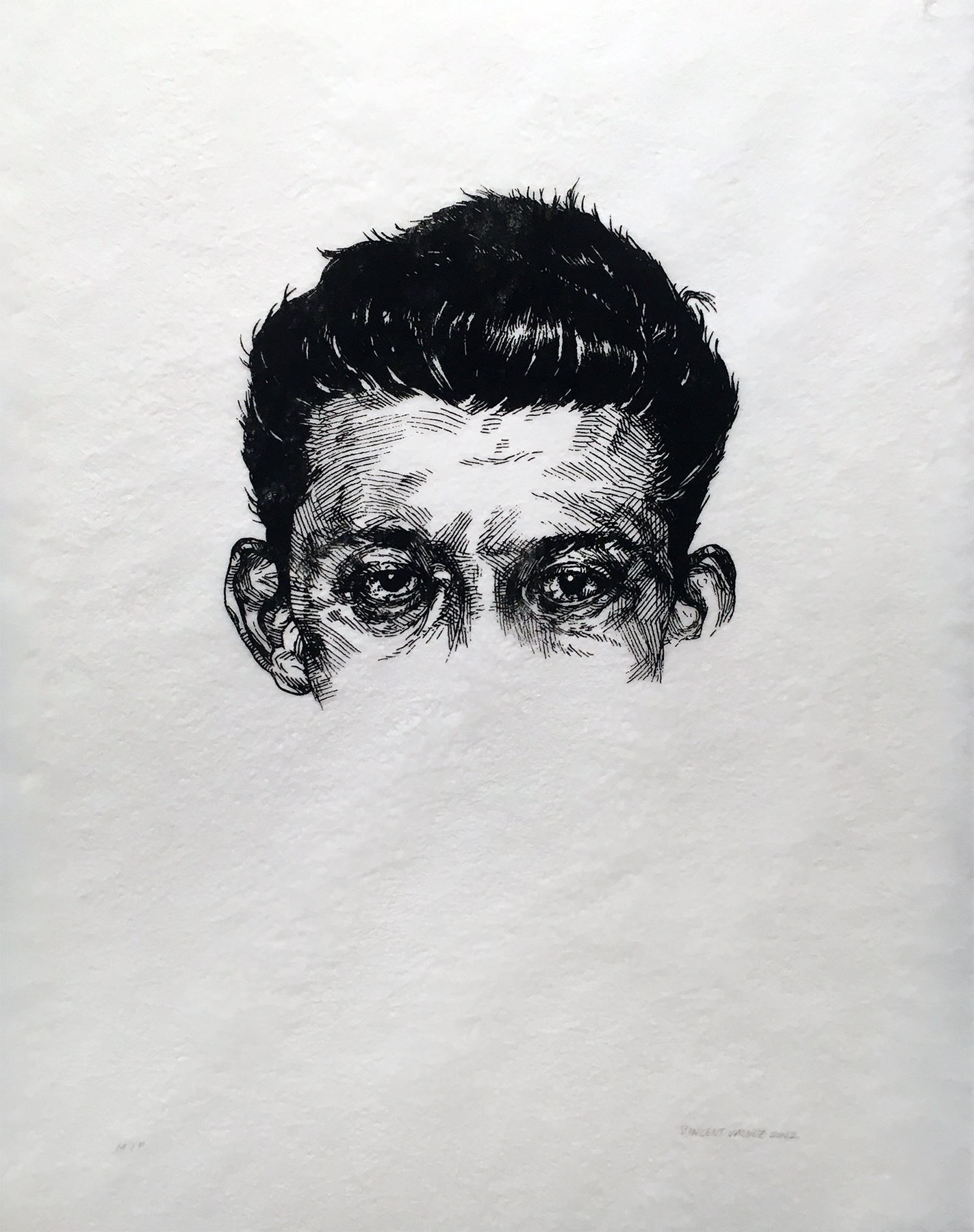
In 2013, Valdez released The Strangest Fruit, a body of work in which Latino men are depicted in airy suspension, set against the jarringly stark white backdrops of canvases. Hanging in mid air, a knotted tension is palpable in their necks, wrists, or feet, but what is missing is any sign of rope or material to hold them in place.
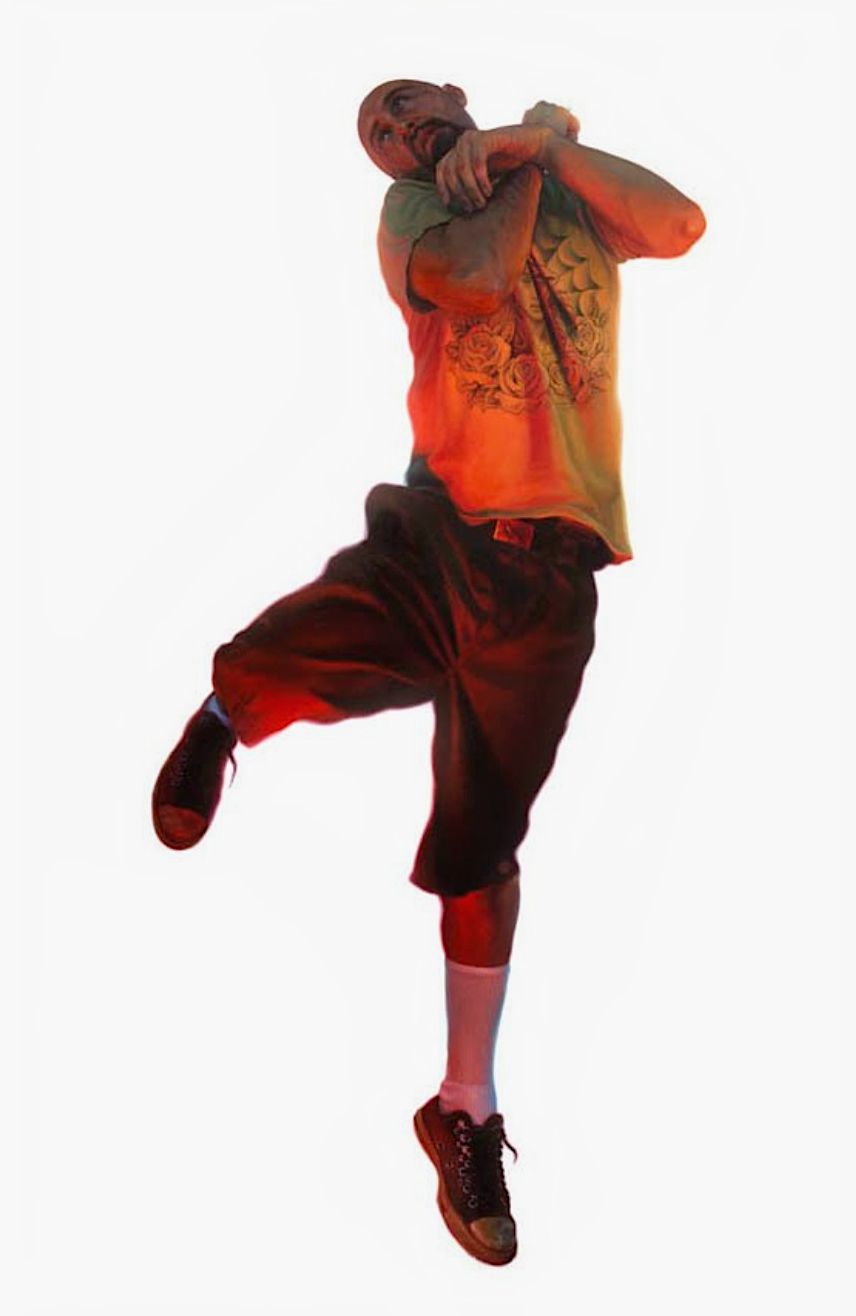
In the early 1900s, the lynching of Mexican and Mexican American men was not uncommon along the Mexican border and throughout the Southwest. In The Strangest Fruit, Valdez depicts these lynchings with a modern-day spin. The men wear Converse, basketball jerseys, and jean jackets. They could be your neighbor, your friend, your partner. Golden warm light hits their bodies from below in disconcerting oranges and reds. They could almost be alive and in a state of ascension, but their eyes and mouths are eerily agape, and their bodies are hinged into uncanny angles. Their demise is ultimately clear and quietly jolting.
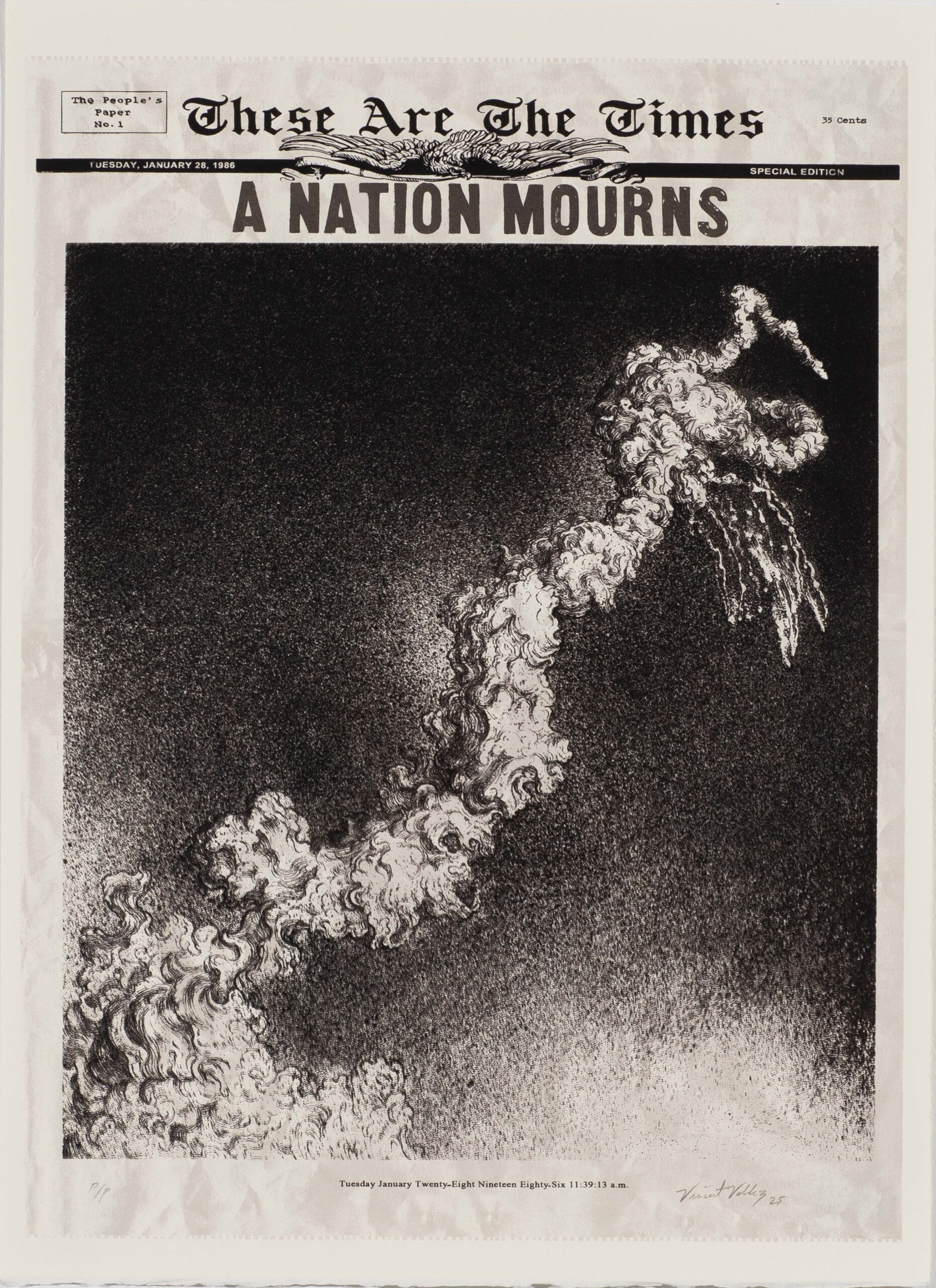
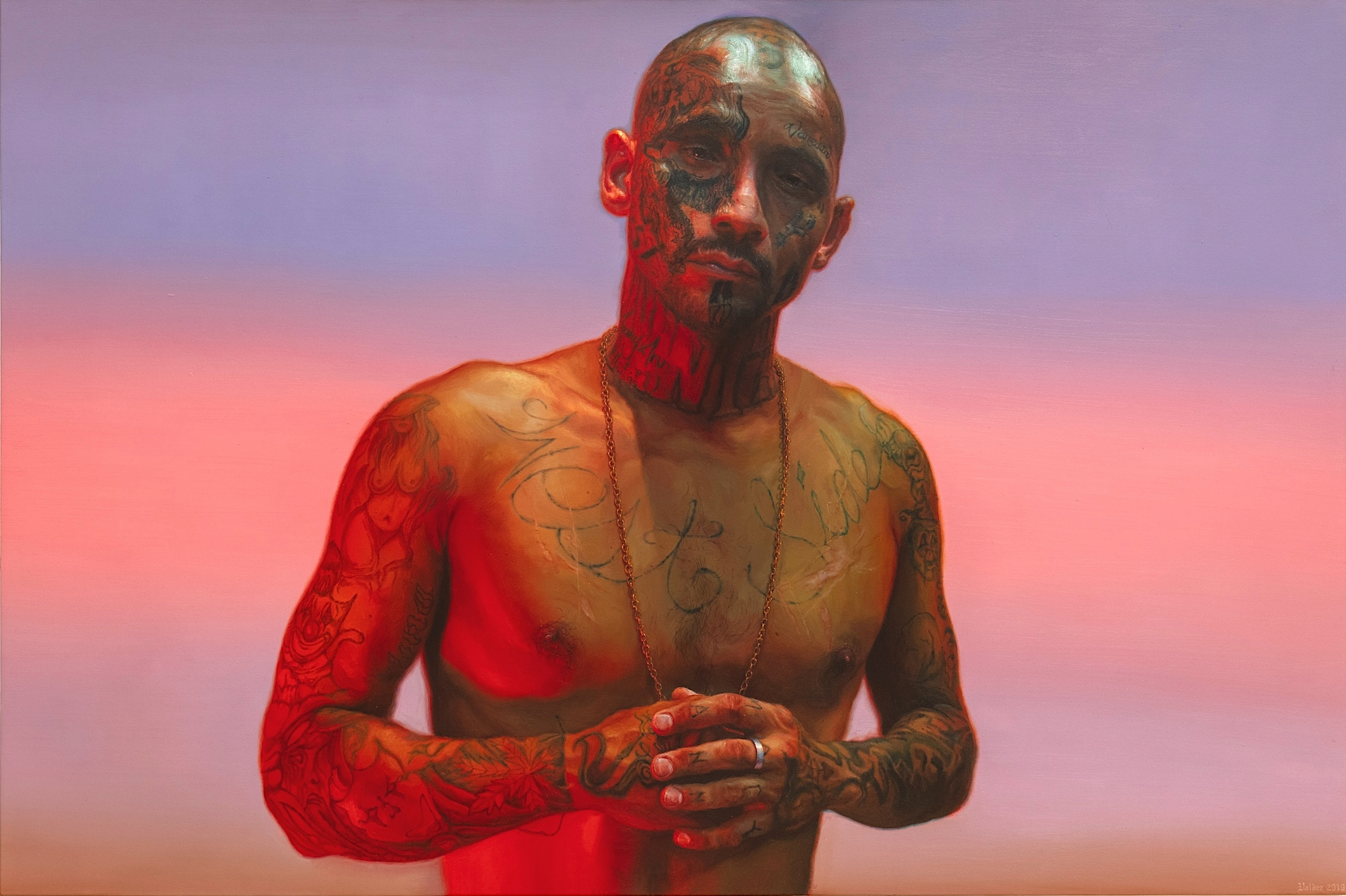
Vincent Valdez’s work is for everyone, or at least for those brave enough to question the systems in place in the US and beyond. The artist harnesses an Orwellian approach in the creation of his art, revealing greed, violence, unbalanced power structures, and loss from a perspective set on the margins of society. Through deep cutting brush strokes, he urges the viewer first to look pain in the eye, and then to go a step further, and hold onto it in remembrance.