
LEE KRASNER + JACKSON POLLOCK
Creative Supernova At The Met
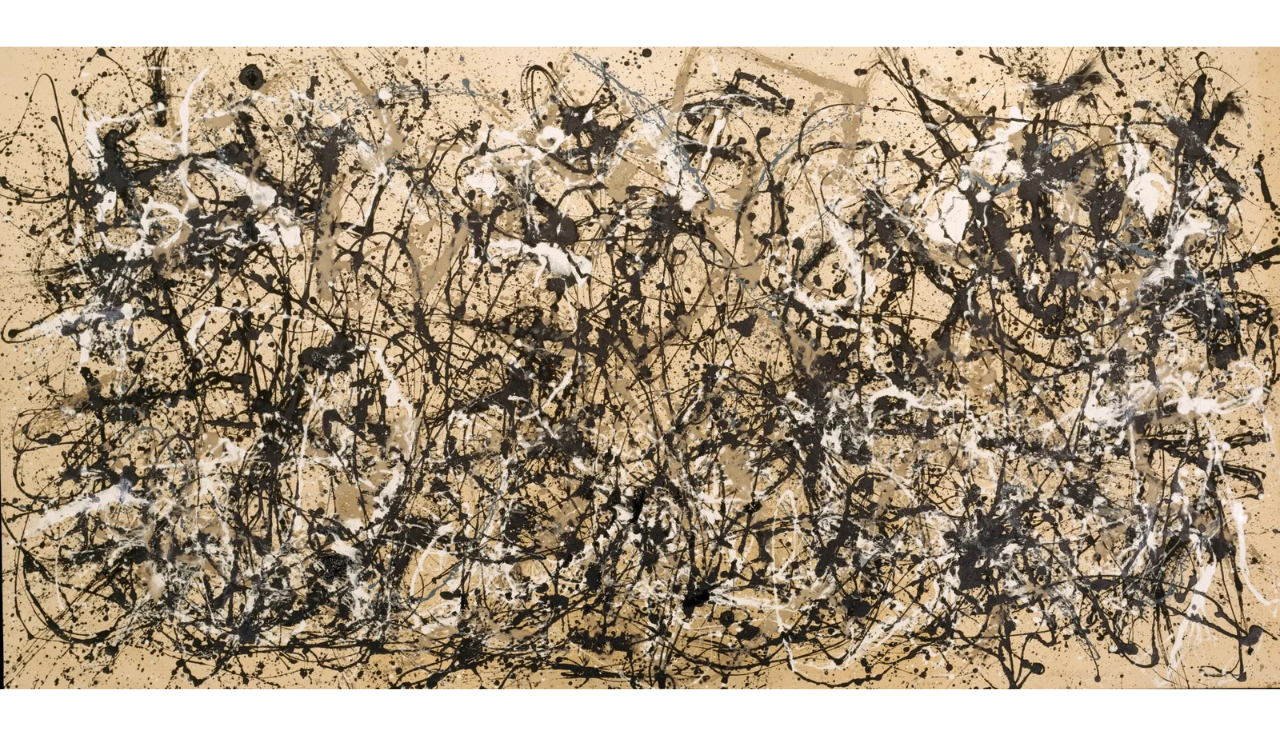
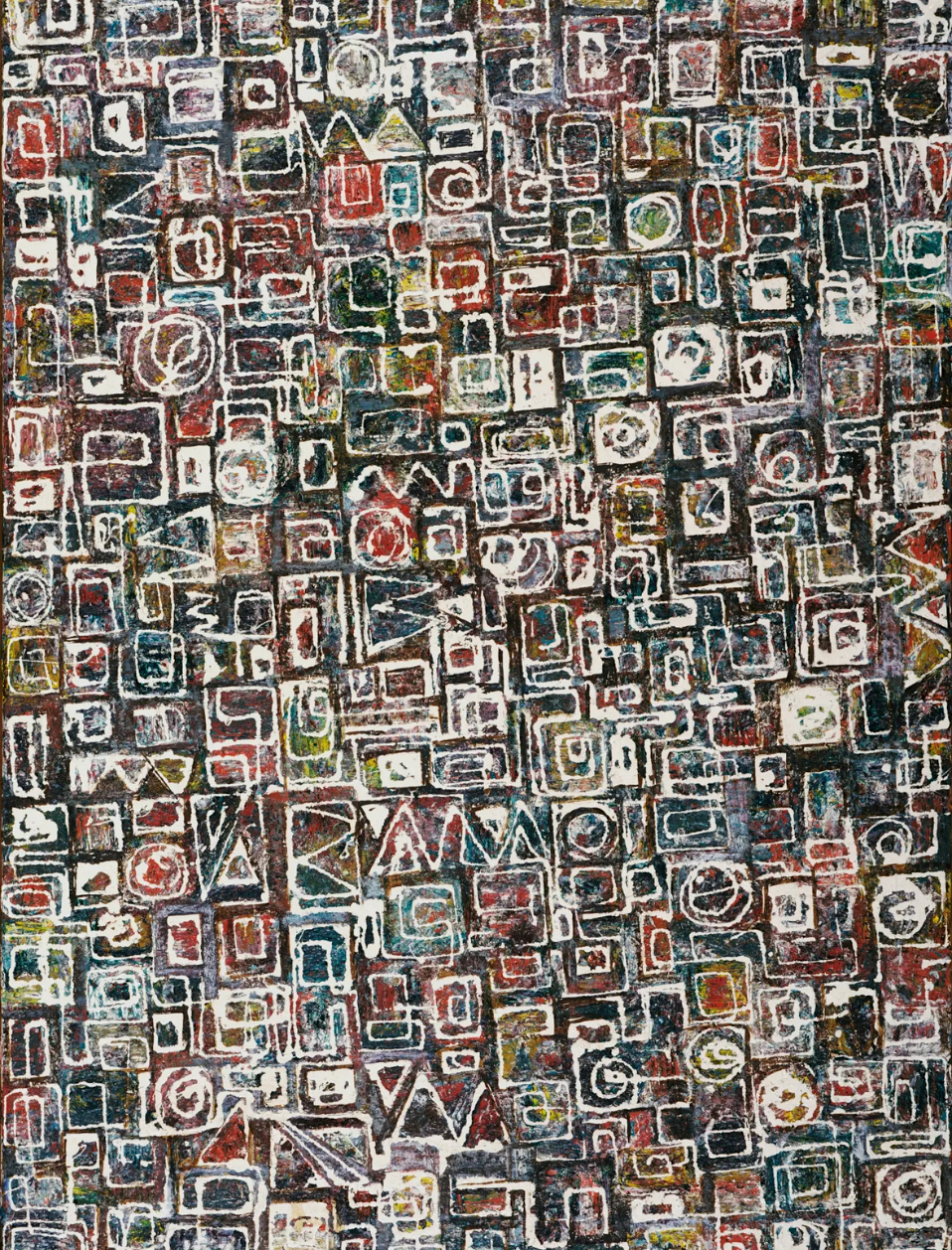
Every so often, a famous couple takes hold of a generation. They hypnotize each other as well as the public, spellbound by daydreams of what the couple is like behind closed doors. Lee Krasner and Jackson Pollock were such a couple, and in the frenzied years that followed the second World War they were a supernova of creative energy leaving permanent flourishes on the art world. They placed much of the foundation of the abstract expressionist movement which reverberates internationally to this day.
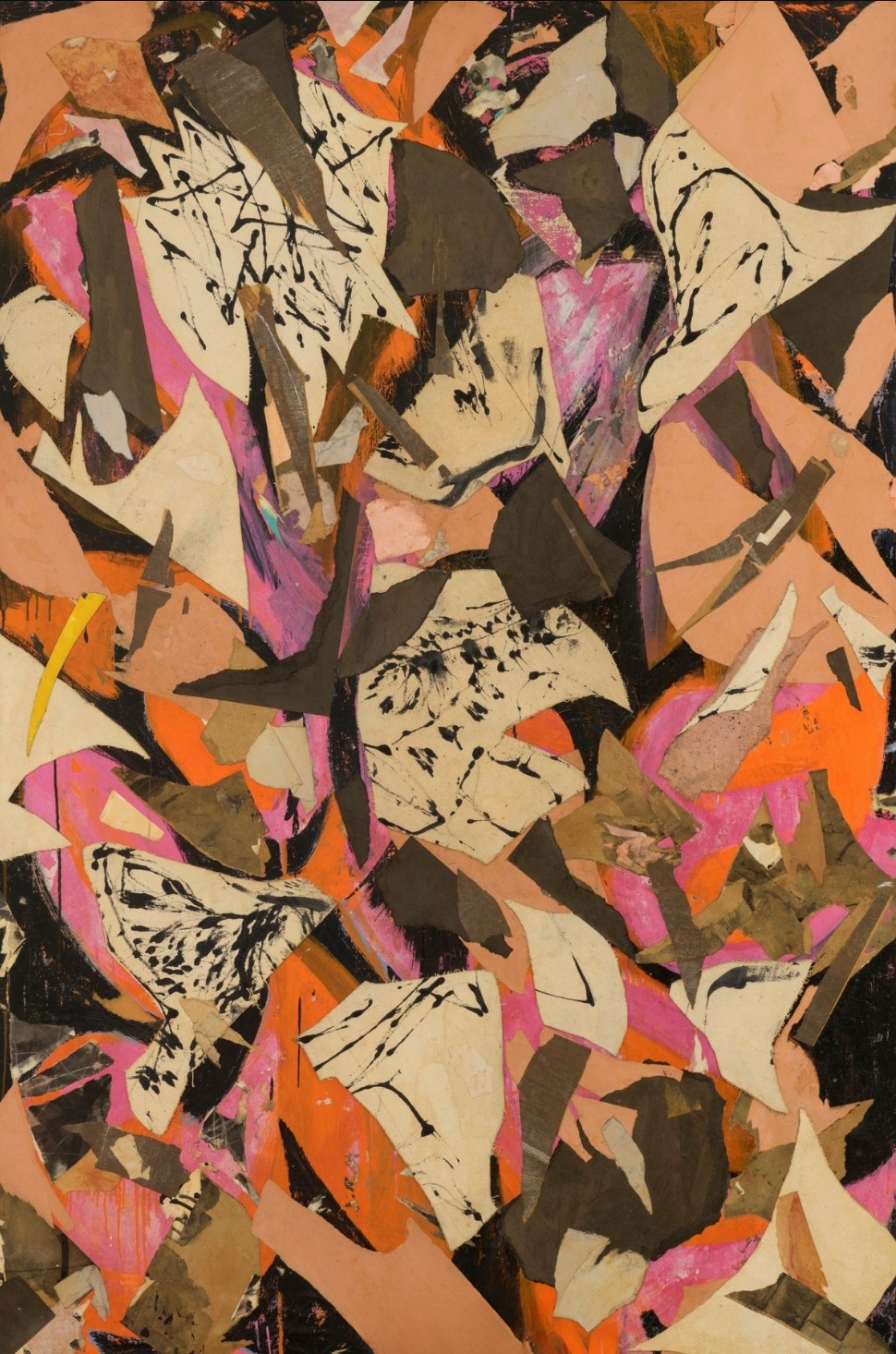
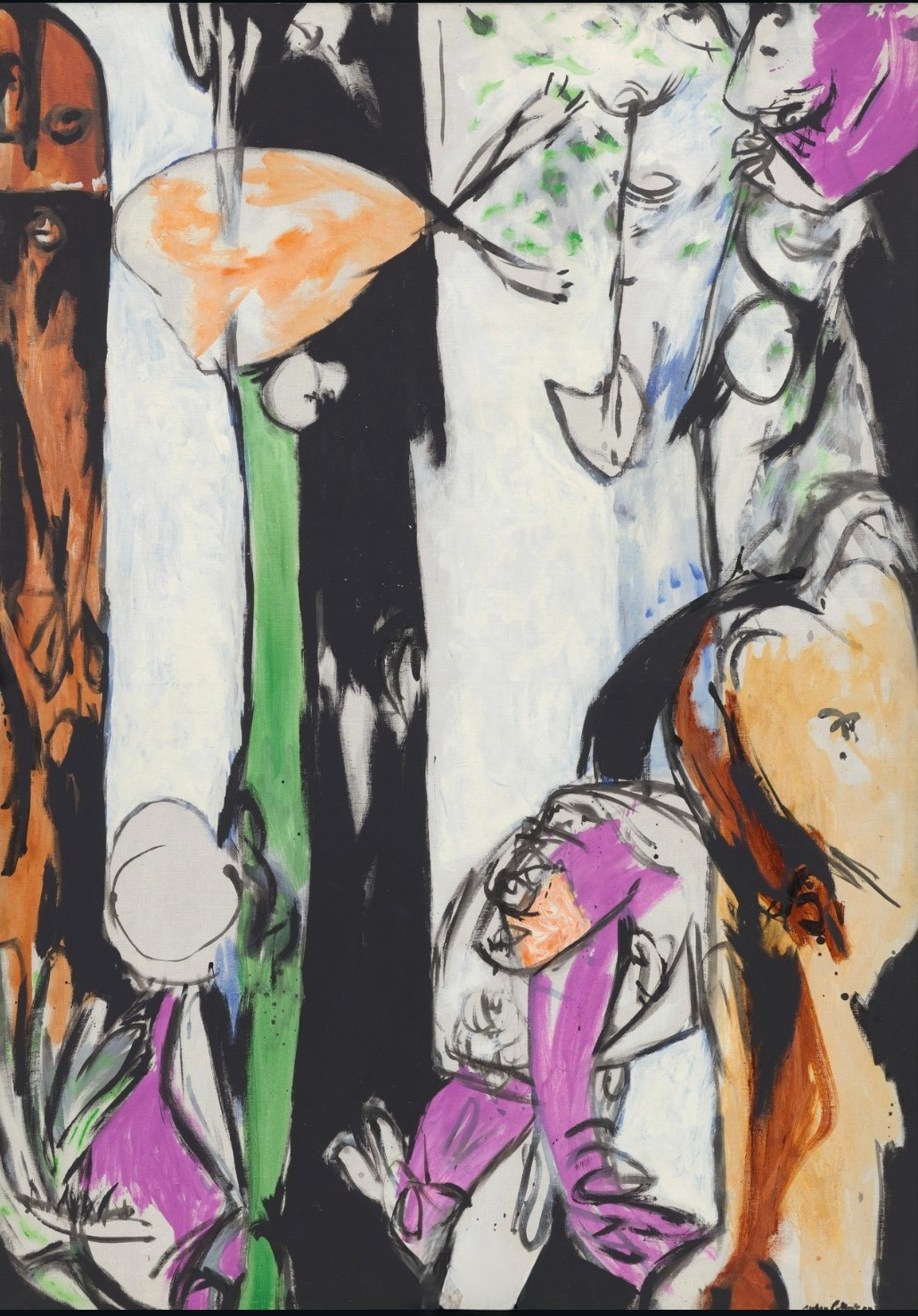
Now, for the first time, their work will be shown together in an exhibition at the Metropolitan Museum of Art in New York in what is also the first major showing of either artist’s work in more than two decades.
Krasner and Pollock met in the early 1940s and were married in 1945, bonding over a shared obsession with art and experimentation. Pollock’s reputation has, at present, overshadowed that of Krasner, and the presentation of their work in parallel offers a first-in-a-lifetime opportunity to see how their hearts aligned in self-expression.
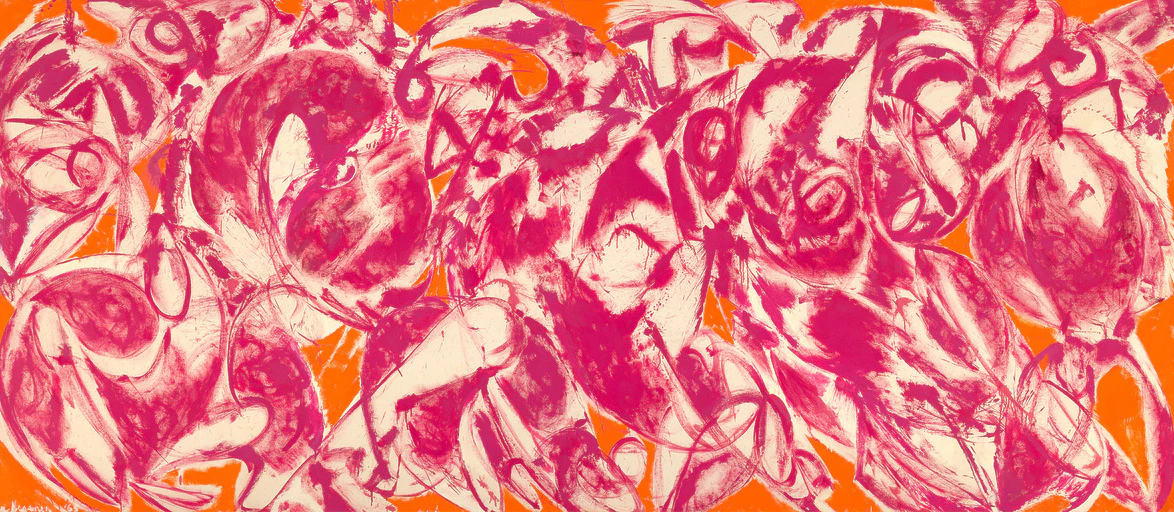
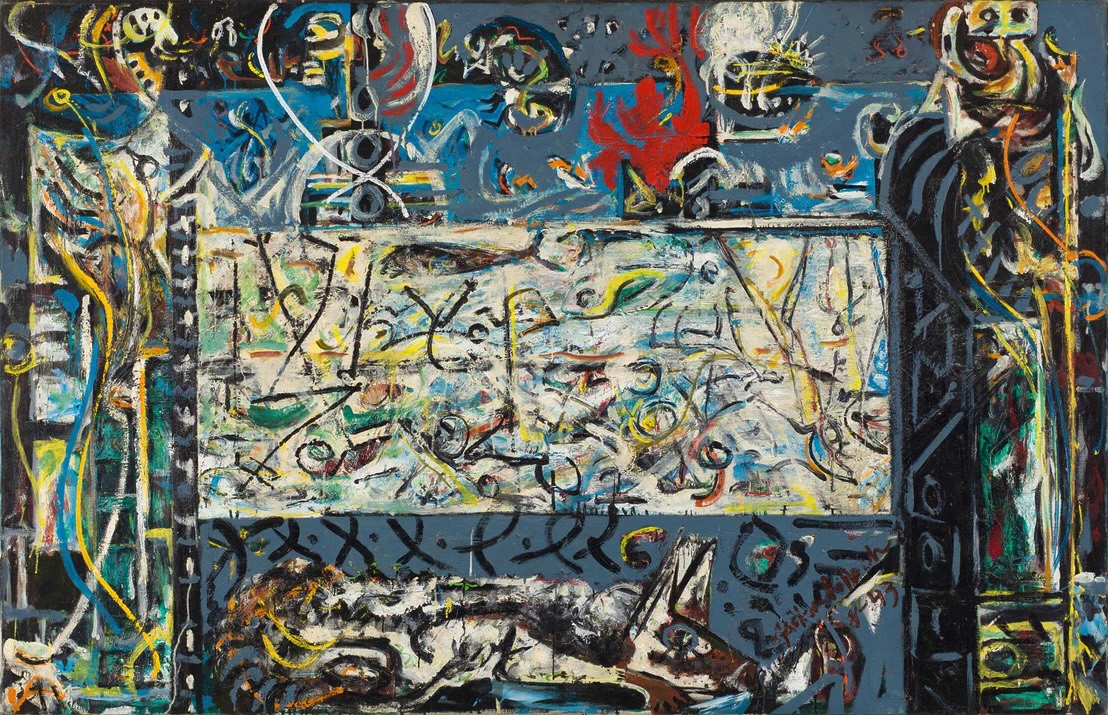
The two share a mutual energy, a common recklessness tempered only slightly by grace. The iconic drips of Pollock’s paintings take on a different meaning when observed alongside Krasner’s curious geometric forms, which fit together in ways that remind us of intertwined fingers, or of the rhythms of a conversation. To see the couple’s work in such a setting feels oddly intimate and enlightening. It becomes easy to imagine how the two artists, who rose from disparate upbringings, came together in the bedroom.
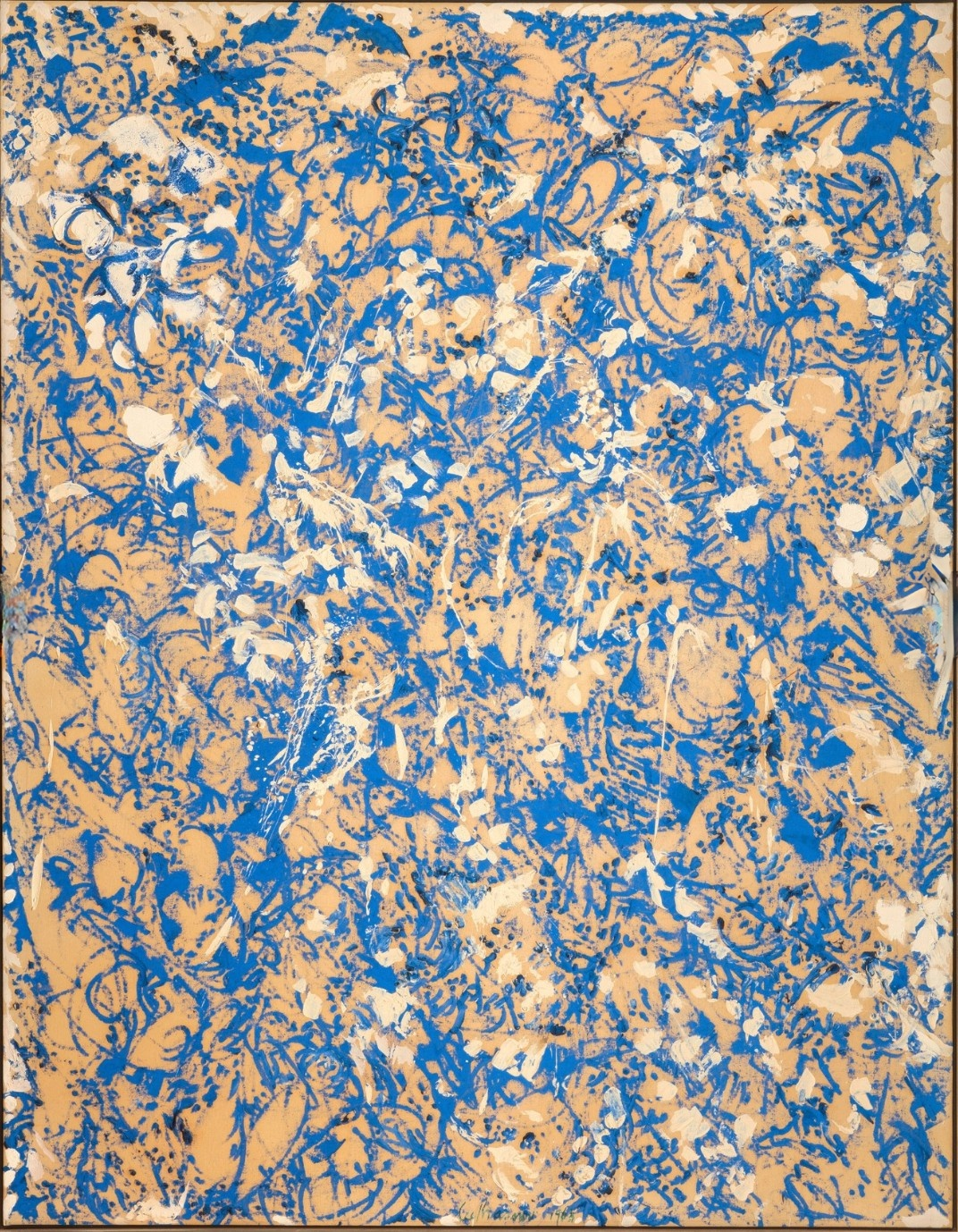
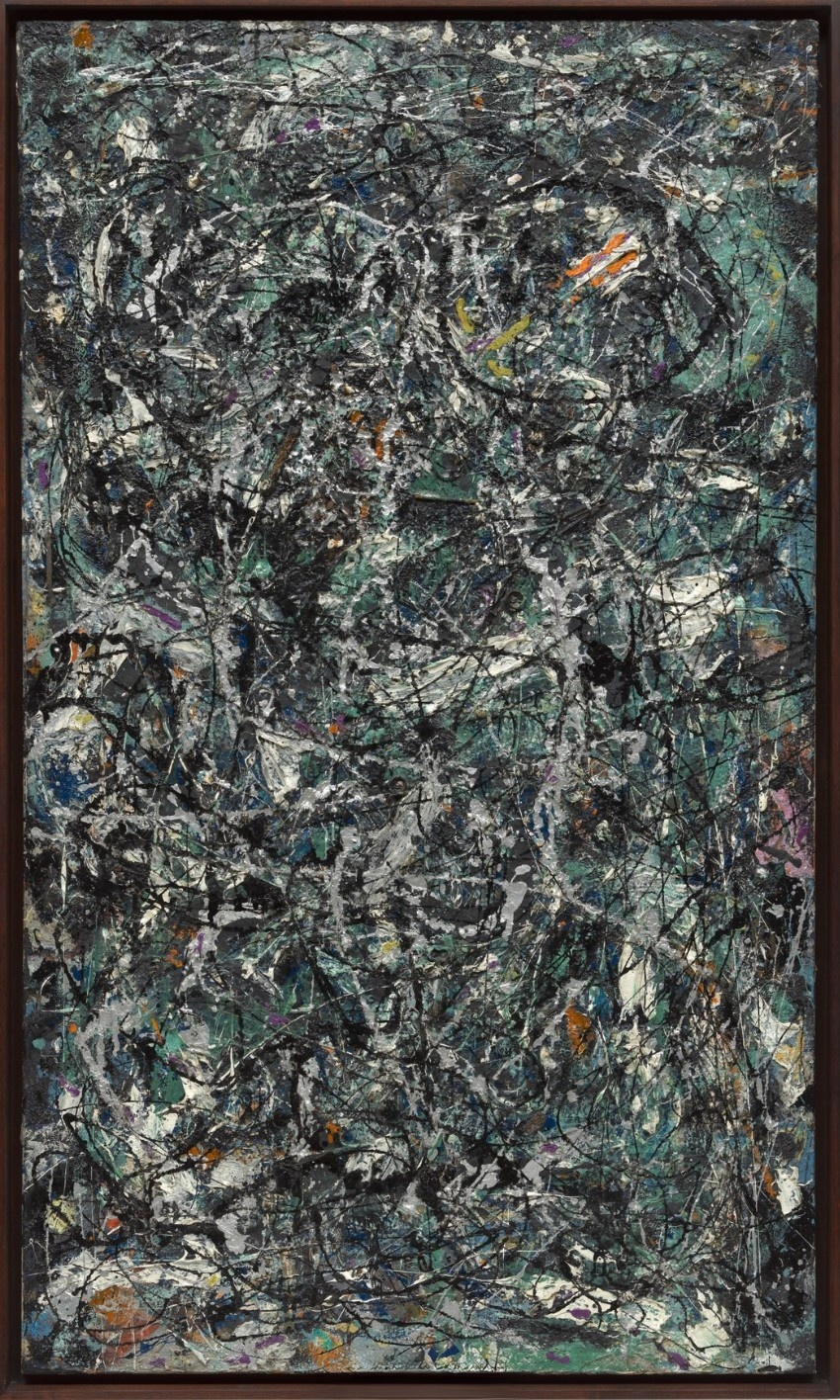
Krasner and Pollock: Past Continuous is one of those rare exhibitions that makes us feel a bit like their third, and somehow, we get the sense that Pollock and Krasner would approve.
Krasner and Pollock: Past Continuous opens on October 4, 2026 and will remain on view through January 31, 2027.