
MARCEL DUCHAMP
His Playful And Provocative Work
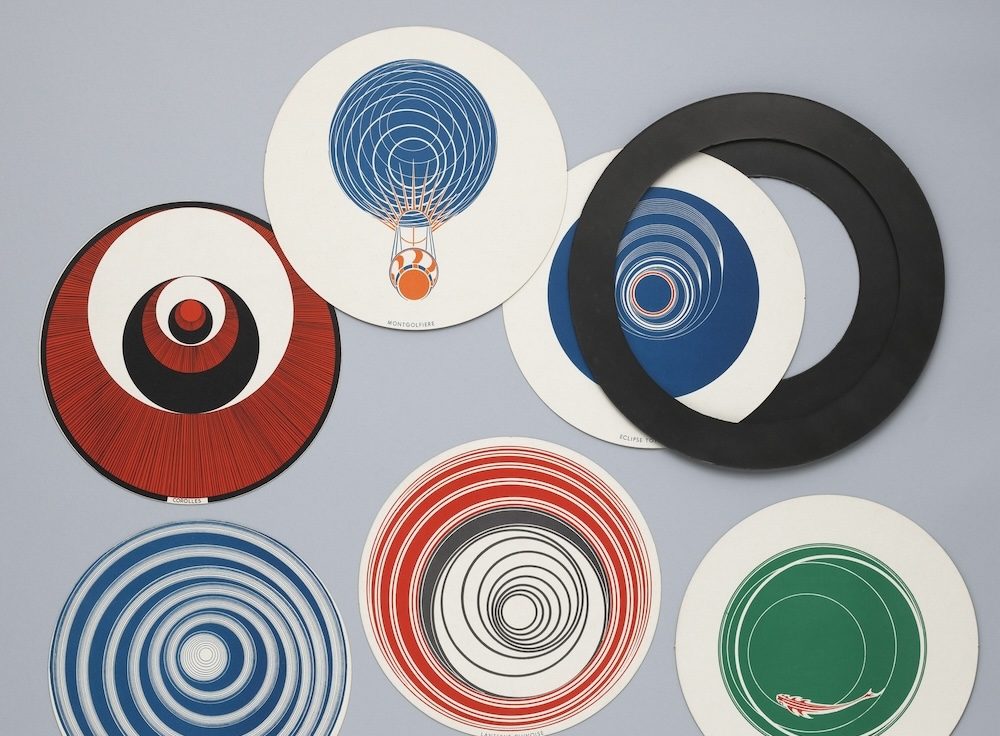
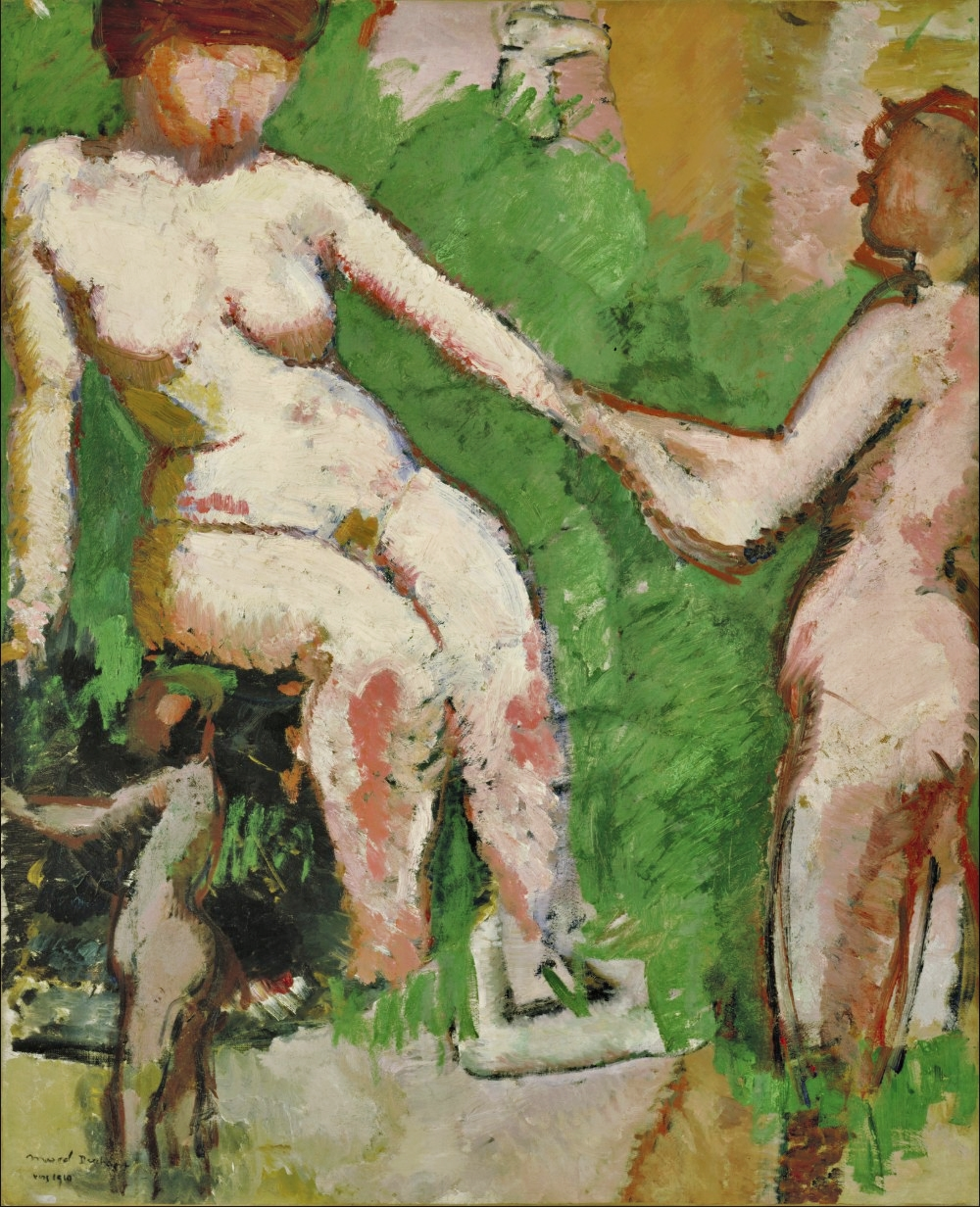
As an artist, a creative, a free thinker, how do you know when you’ve “arrived”? One of the sharpest ironies about the art world is that its most radical minds are only considered “successful” once invited into art’s most rigid institutions: the major museums.
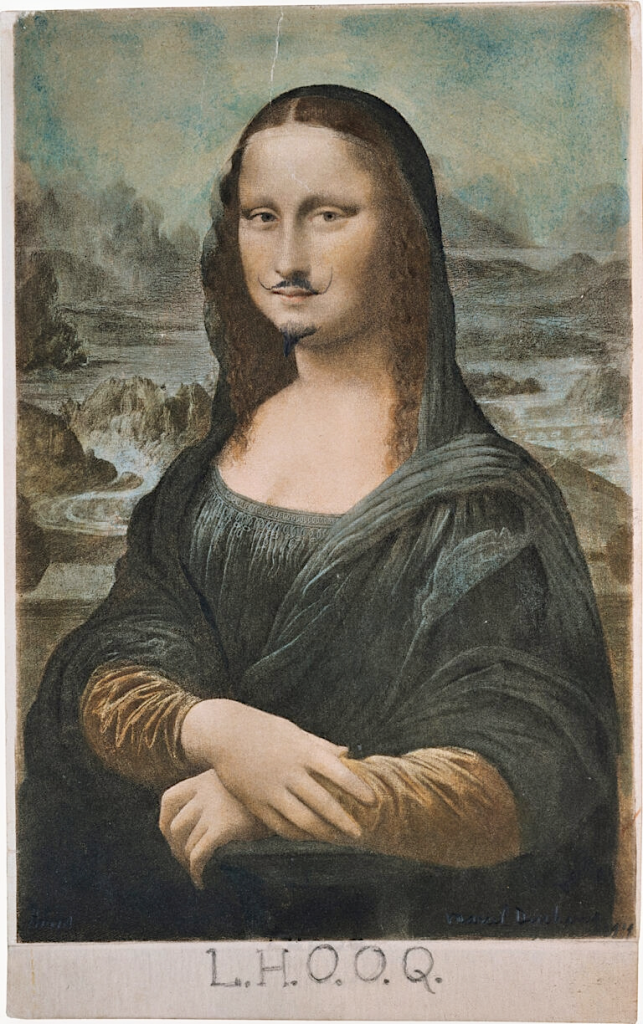
Marcel Duchamp. L.H.O.O.Q., 1919. Pencil on reproduction of Leonardo da Vinci’s Mona Lisa, Private Collection. © Artists Rights Society (ARS), New York, ADAGP, Paris, Association Marcel Duchamp
Marcel Duchamp, a legendary founding daddy of the Dada movement, maintained a close relationship with The Museum of Modern Art in New York in an alignment that is as interesting as it is surprising. Now, his work is on view at the MoMA in a show that celebrates the breadth and impact of his work, as well as the ways in which it stood apart.
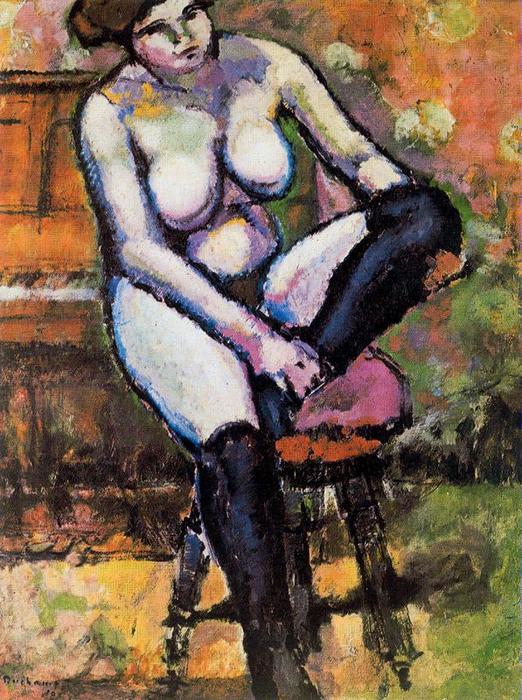
Marcel Duchamp. Nude with Black Stockings, 1910. Courtesy of MoMA
“As a director of the Society of Independent Artists, the head of its hanging committee, and its self-appointed provocateur-in-chief, Duchamp surfaced the issues of presentation and reception, demonstrating that the life of art is shaped not only by its creators but by its receivers,” write Matthew Affron, Michelle Kuo, Ann Temkin in the show catalog. “[He asserted] that it is the spectator who completes the work of art. When the society reliably failed the test he posed to its democratic principles… he would move to help create a different kind of art institution altogether.”
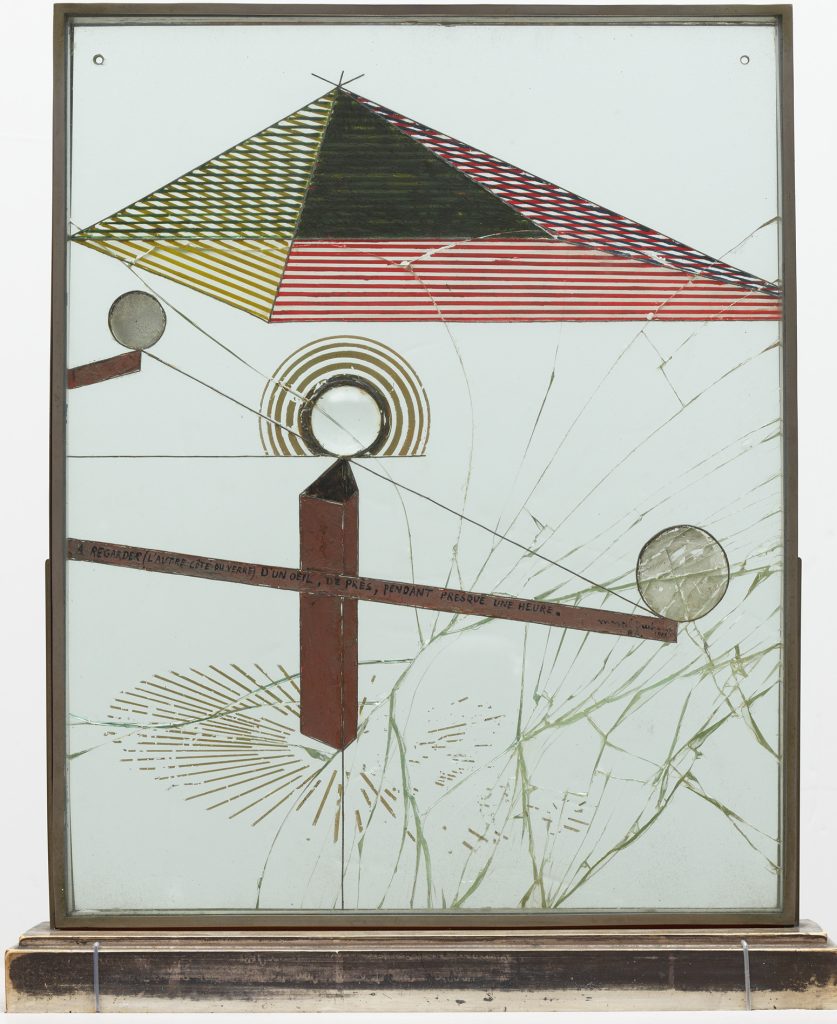
Marcel Duchamp. To Be Looked at (from the Other Side of the Glass) with One Eye, Close to, for Almost an Hour, Buenos Aires, 1918. Courtesy of MoMA
Known to be an artist who groped and prodded his audiences with cheeky joy and sass, Duchamp’s work makes a resonant statement even half a century after his death.
Through faintly cubist forms abstracted in oil works like Nude Descending a Staircase (No. 2), and the iconic Fountain assemblage, he is one of the handful of miners who dug out a space for the absurd and gave it a voice.
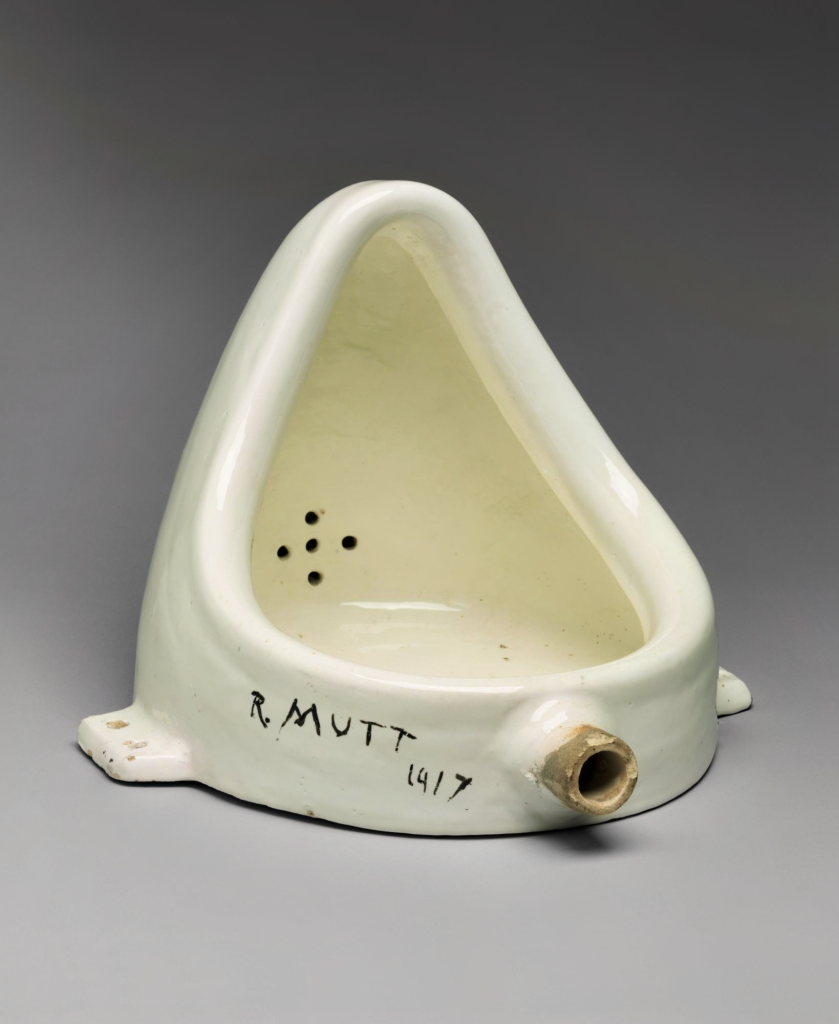
Marcel Duchamp. Fountain, 1950. Courtesy of MoMA
At the show, the infamous Fountain — instantly recognizable as a urinal inscribed with “R. Mutt 1917” — is a centerpiece around which all aficionados of the absurd can gather. The piece is quintessential Dada work, taking the accessible ephemera of daily life and turning it a test for his viewers. Duchamp taunted. Duchamp dared. Duchamp urged viewers to challenge their ideas of the prestigious aura surrounding haute art.
And damn if the echoes of that spirit aren’t felt now as much as ever — if not more.
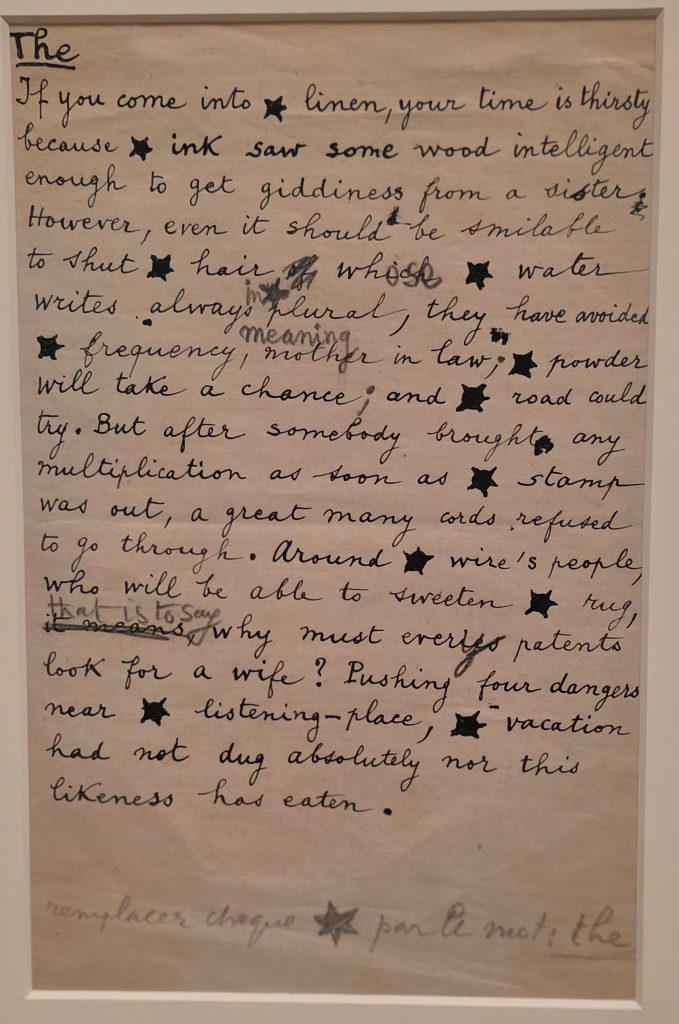
Marcel Duchamp. The, 1915. Courtesy of MoMA
The whole world is edging closer to saying “fuck it” and the art world is no exception. In the meantime, we strongly recommend spending some time at The MoMA to soak up Marcel Duchamp before the exhibition closes on August 22, 2026. Don’t dress up, don’t make your trip grid official — just invest your time and mental bandwidth in art that demands you question everything.