STORIES UNTOLD
Eric Fischl's Vibrant Paintings
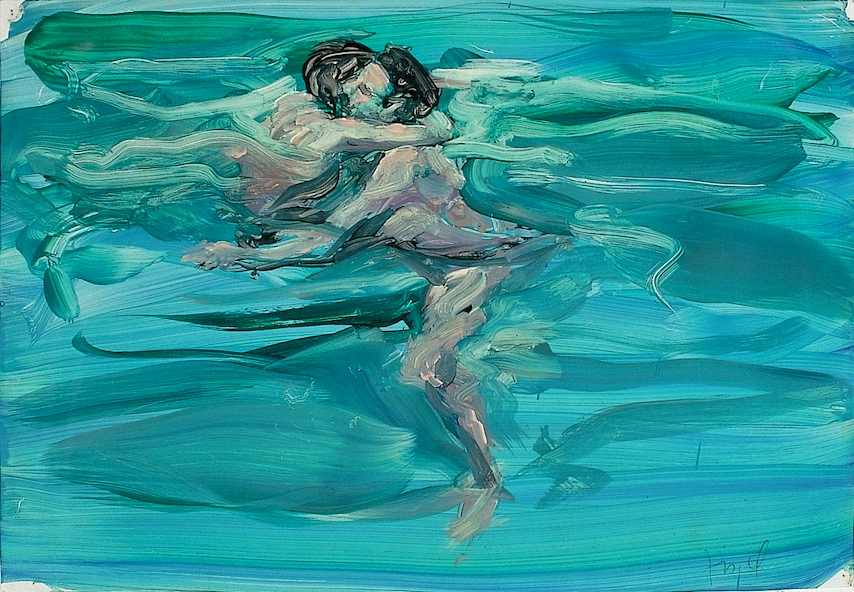
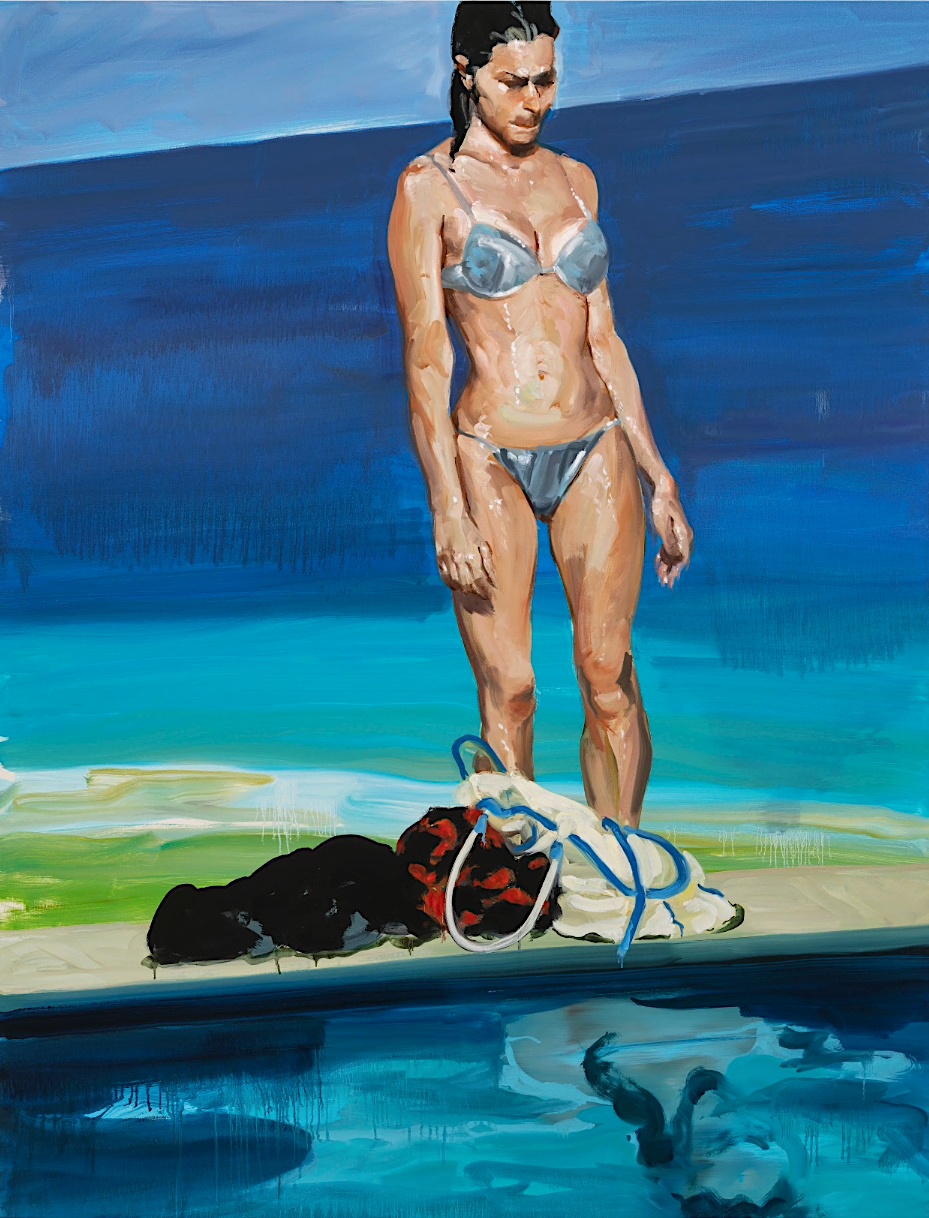
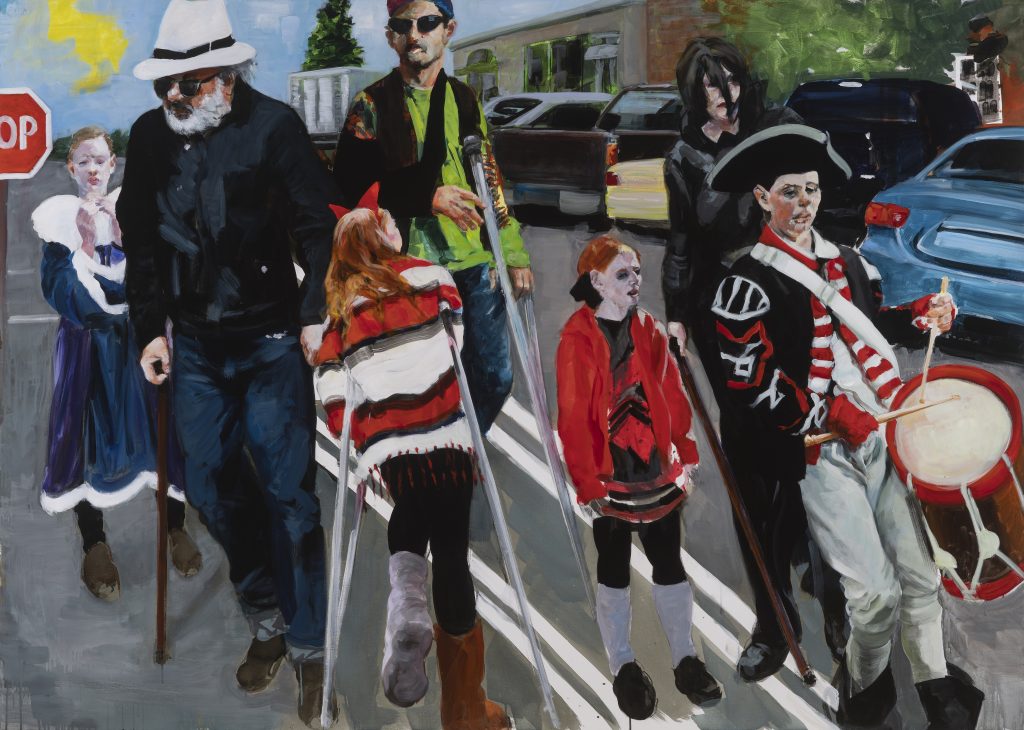
Sag Harbor was once described by Vogue as the “Hamptons village where you can spend a classic American summer.” Picture a Long Island town with glistening backyard pools, rows of pretty white sailboats, high-end boutique shops lining a brick-paved main street, and the people who make it all go round, flush with sun and wealth. This is where painter Eric Fischl calls home. It’s also his artistic playground, and the muse of much of his work.
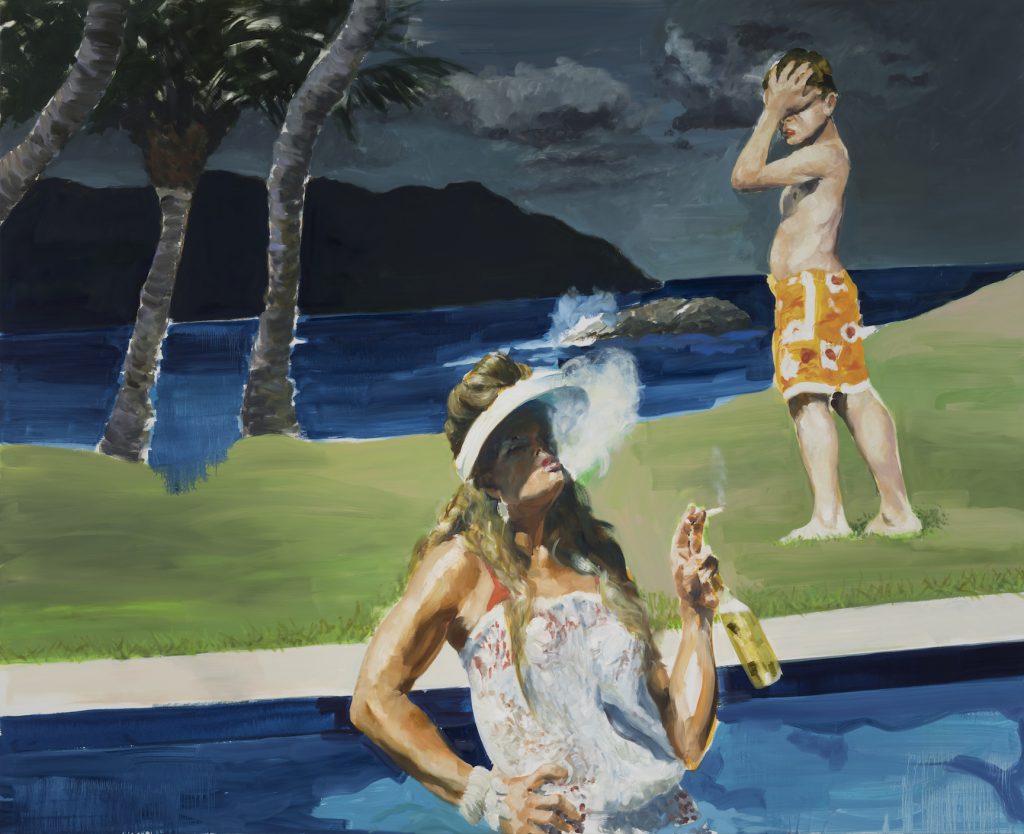
Eric Fischl. Island of the Cyclops_ The Early Years, 2018. Courtesy of Phoenix Art Museum
Now on view at the Phoenix Art Museum, Eric Fischl: Stories Untold exhibits the last five decades of Fischl’s oeuvre across 40 large-scale paintings. Initially, the work might seem straightforward: a depiction of an affluently relaxed lifestyle. Wide smears of paint depict a family barbecue, a man walking along the beach, a girl embracing a black lab. Then signs of dysfunction begin to bubble to the surface, showing first in peculiar moments of nudity and arriving fully in themes of manipulation, underage sexuality, and familial disorders.
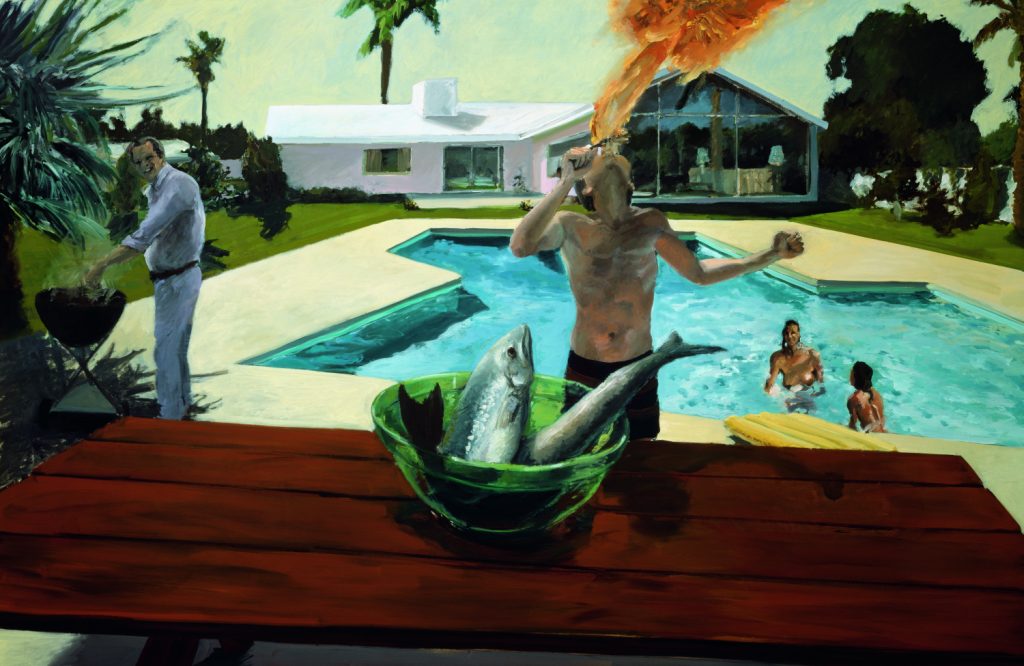
Eric Fischl. Barbecue, 1982. Image courtesy of the artist. © 2025 Eric Fischl
Whether poolside or where waves meet sand, water is a recurring motif in Fishcl’s work. Although typically utilized to portray healing and reprieve, in Fishl’s paintings, water acts to conceal, giving way to something dark as it hides body parts below lapping currents. Within these works, the suburban bubble bursts and turns toward something more nightmarish where dark storm clouds collect in angry vortexes above choppy waters.
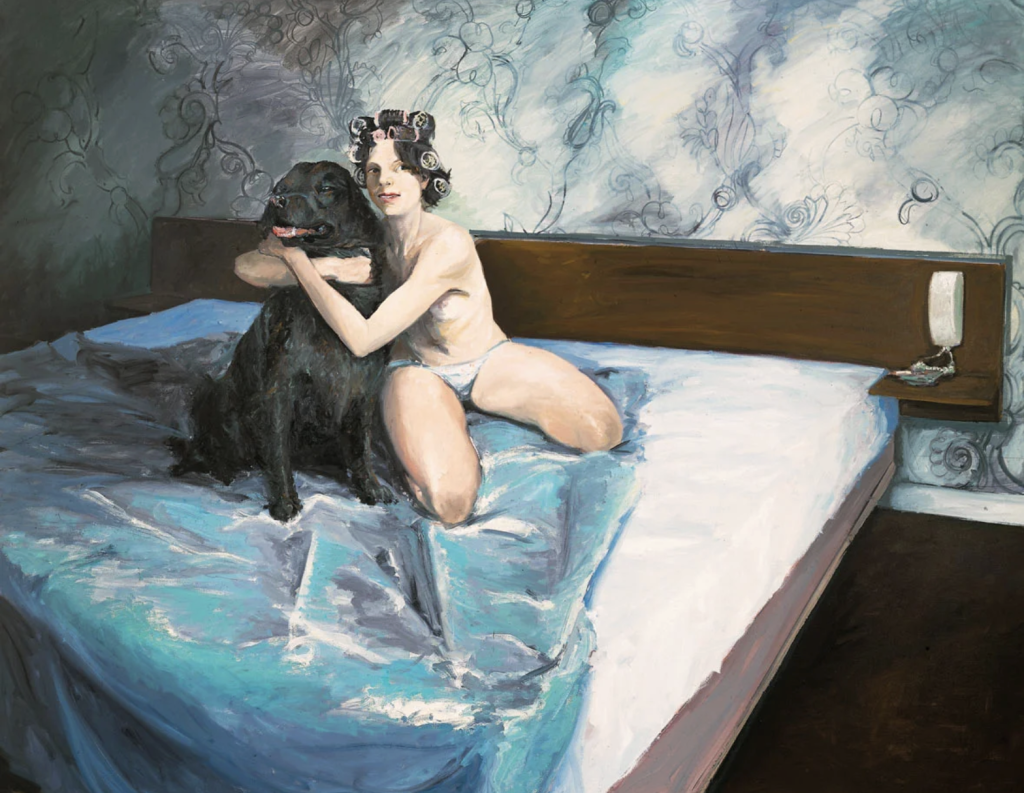
Eric Fischl. Master Bedroom, 1983. Courtesy of Phoenix Art Museum
Fischl shows us how complicated cracks form in an assumed conception of paradise. His representations of suburbia are laced with power structures that transcend tradition and instead lean toward the taboo. Vibrant yet shadowed, his paintings return again and again to disconcerting age gaps: old men in the company of younger women or prepubescent boys positioned toward older women. At times, a more innocent sense of yearning is depicted; however, coercion and exploitation ripple along Fischl’s loose brushstrokes.