
TRANSFORMER FRIDA KAHLO
Legacy Of Art + Influence
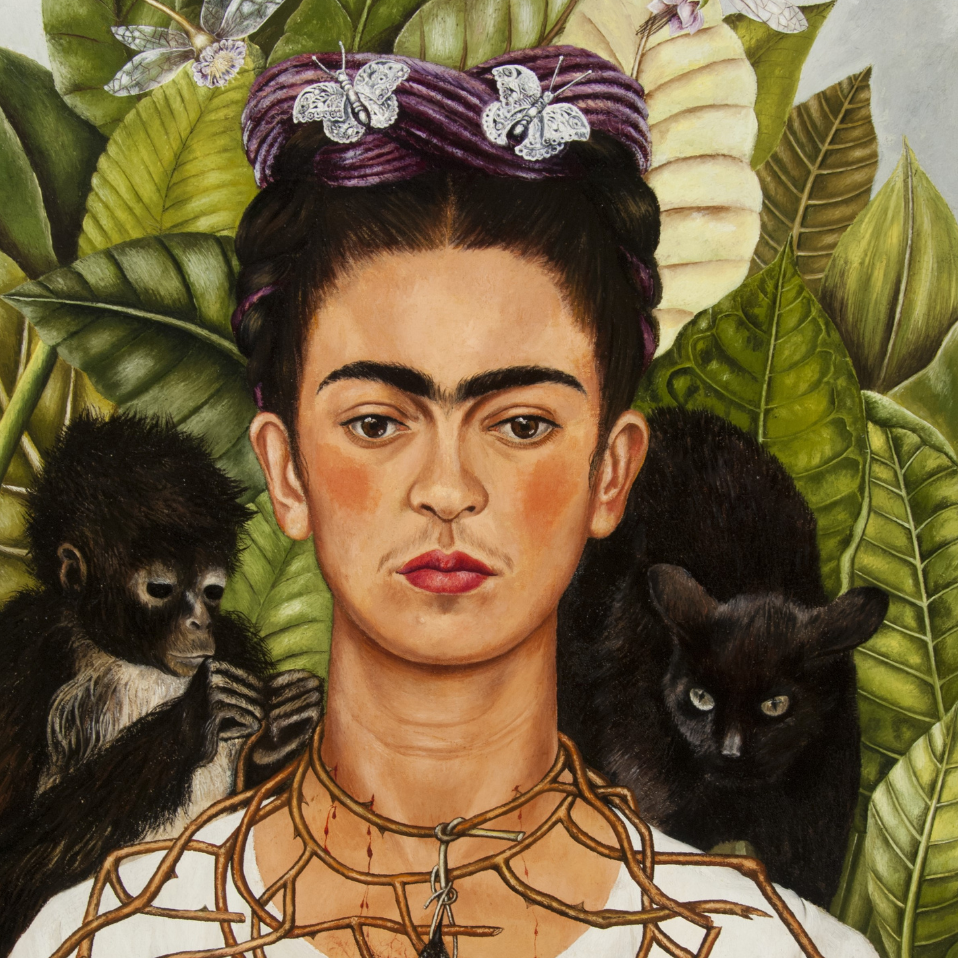
For the last few months, Frida Kahlo’s face began surfacing across billboards throughout London, her eminent features blossoming throughout Tube stations and across street-sides. In a landmark exhibition, and London’s first major interrogation of Kahlo’s legacy in 25 years, the Tate Modern surveys some of the most notable art pieces of the enigmatic Mexican artist in Frida Kahlo: The Making of an Icon.
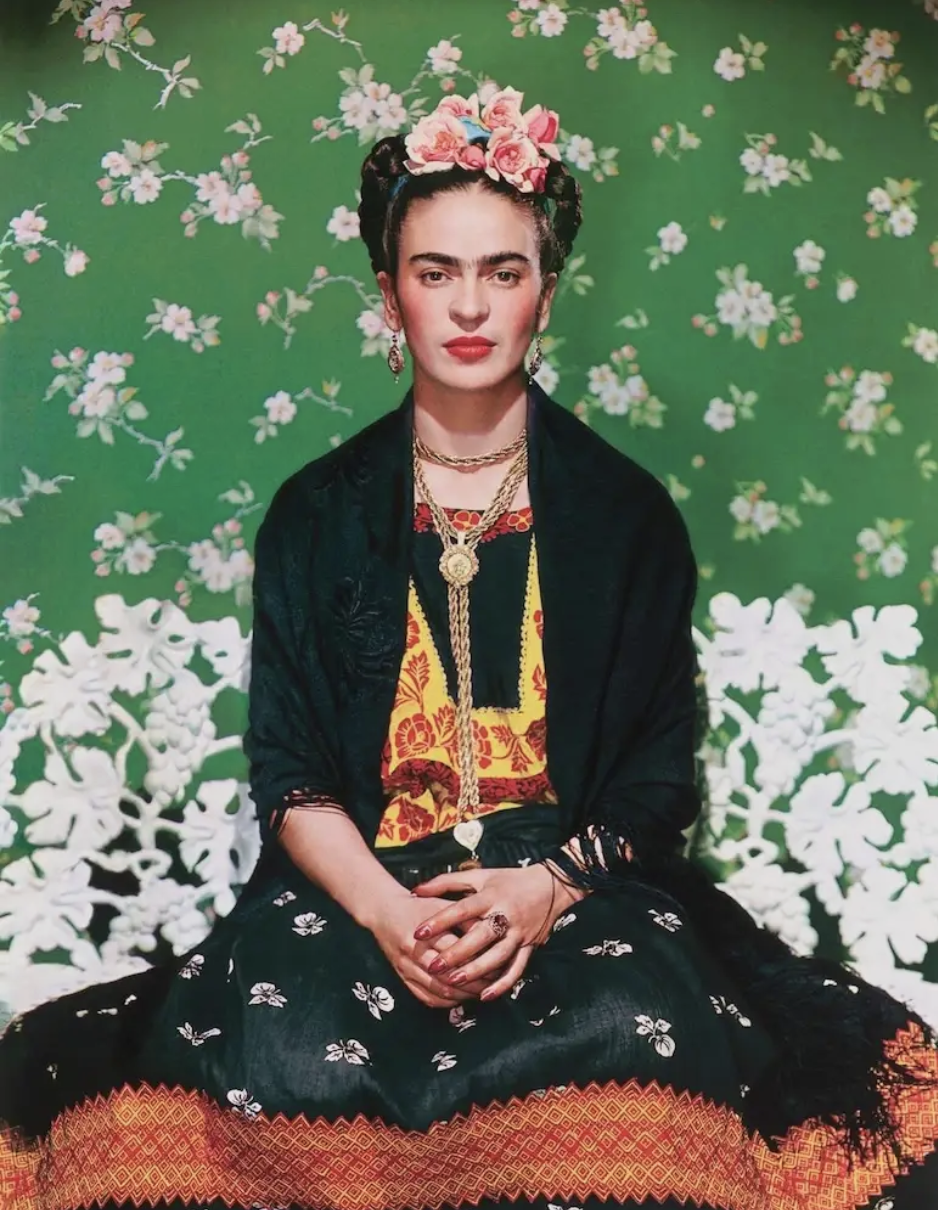
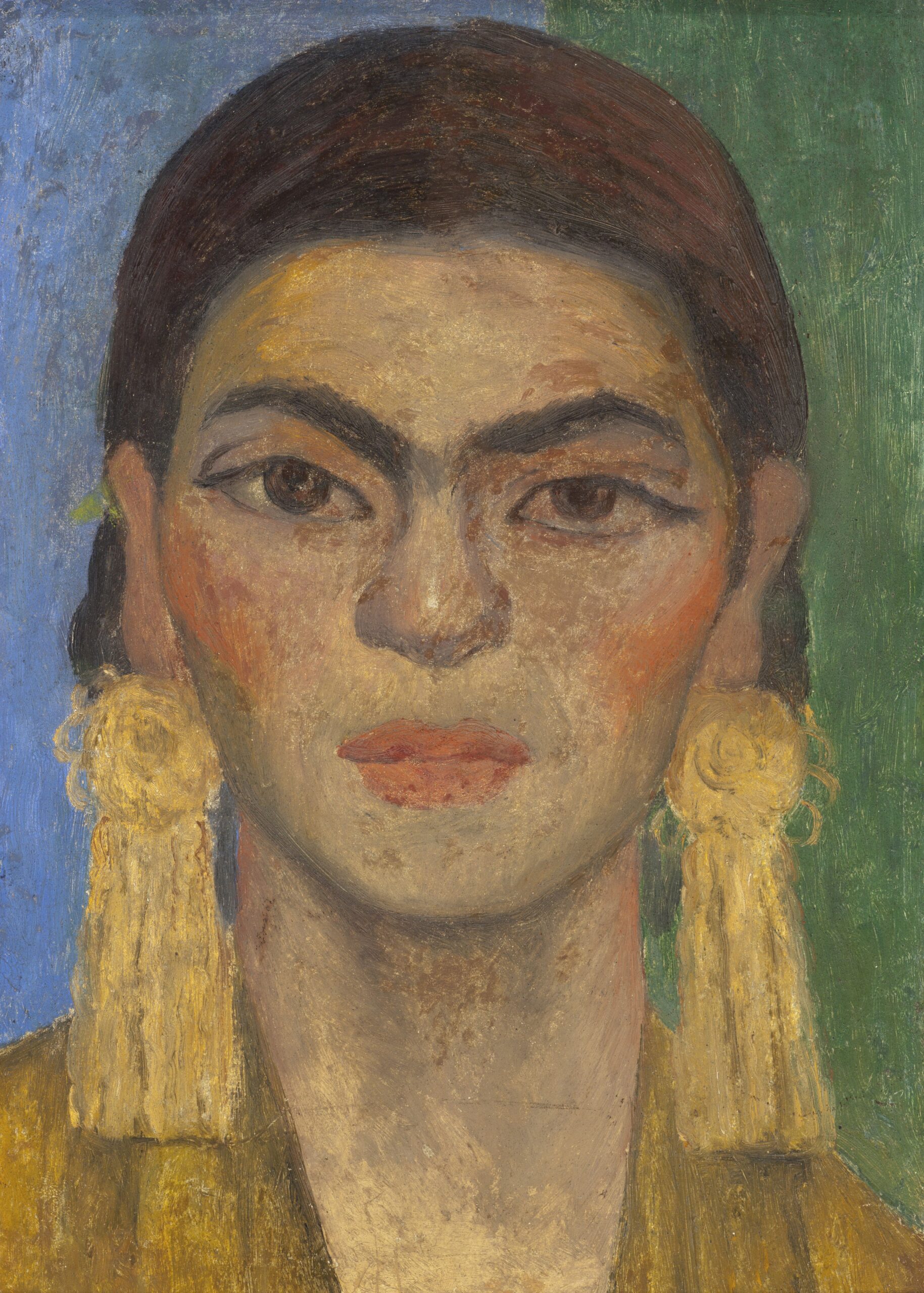
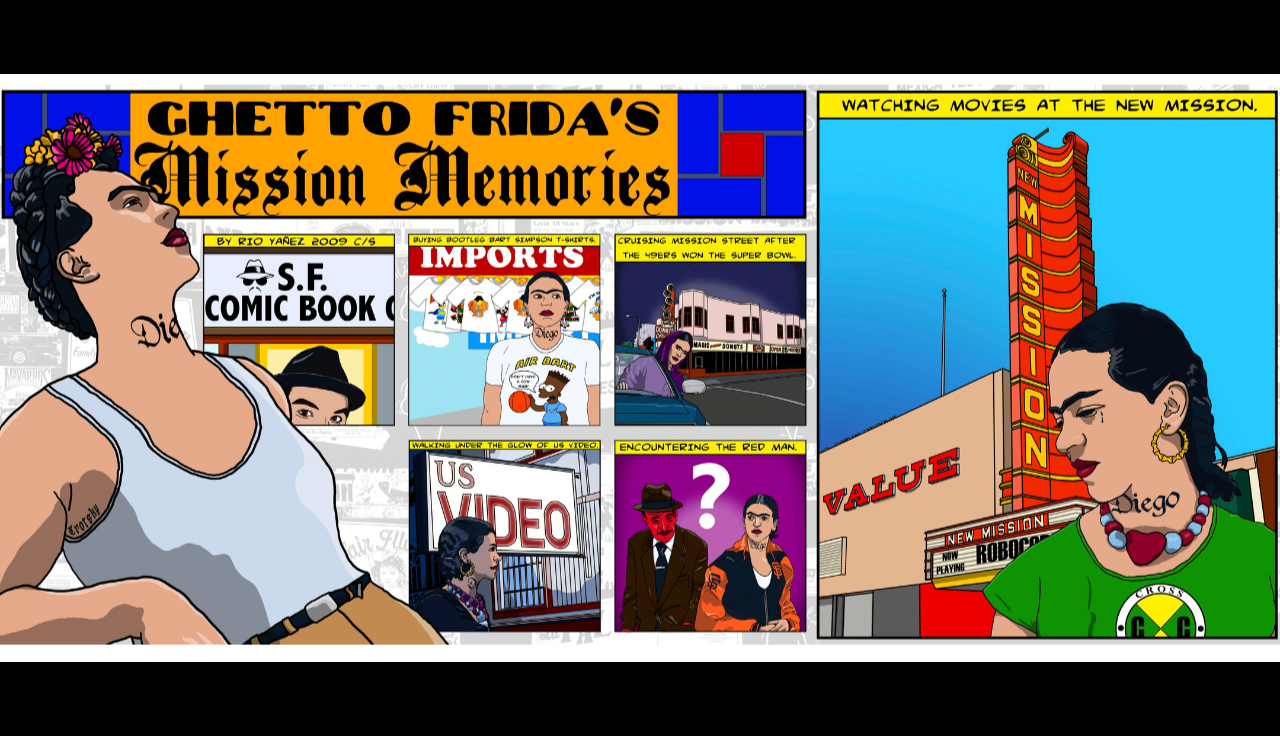
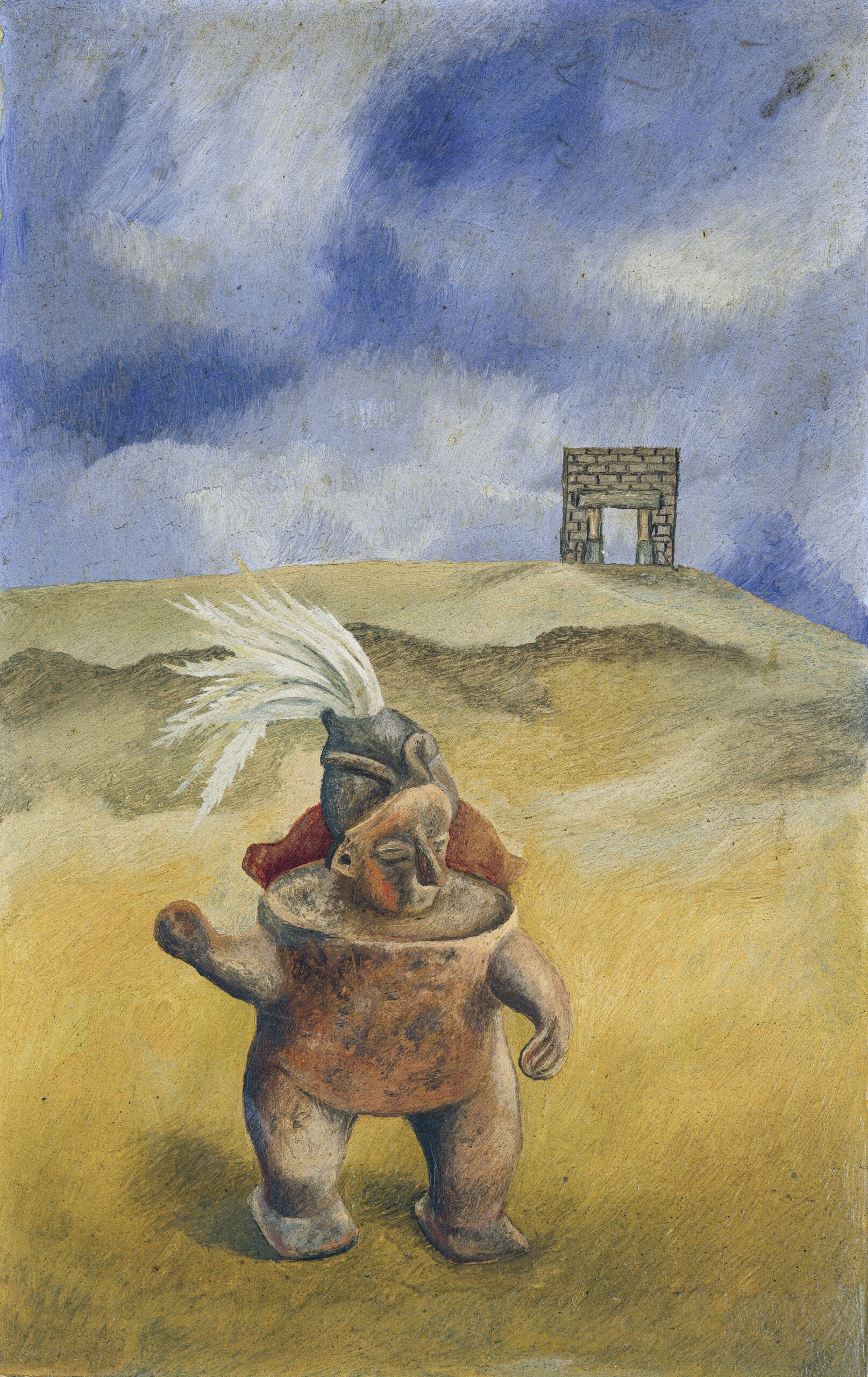
The show explores Kahlo’s exceptional story of transformation as she developed into a behemoth figure — artistically, commercially, and culturally. The exhibition spotlights over 30 pieces of Kahlo’s artwork as well as more than 200 further pieces, including personal clothing items and jewelry pieces, archival materials from her contemporaries, and modern works from artists inspired by her legendary career.
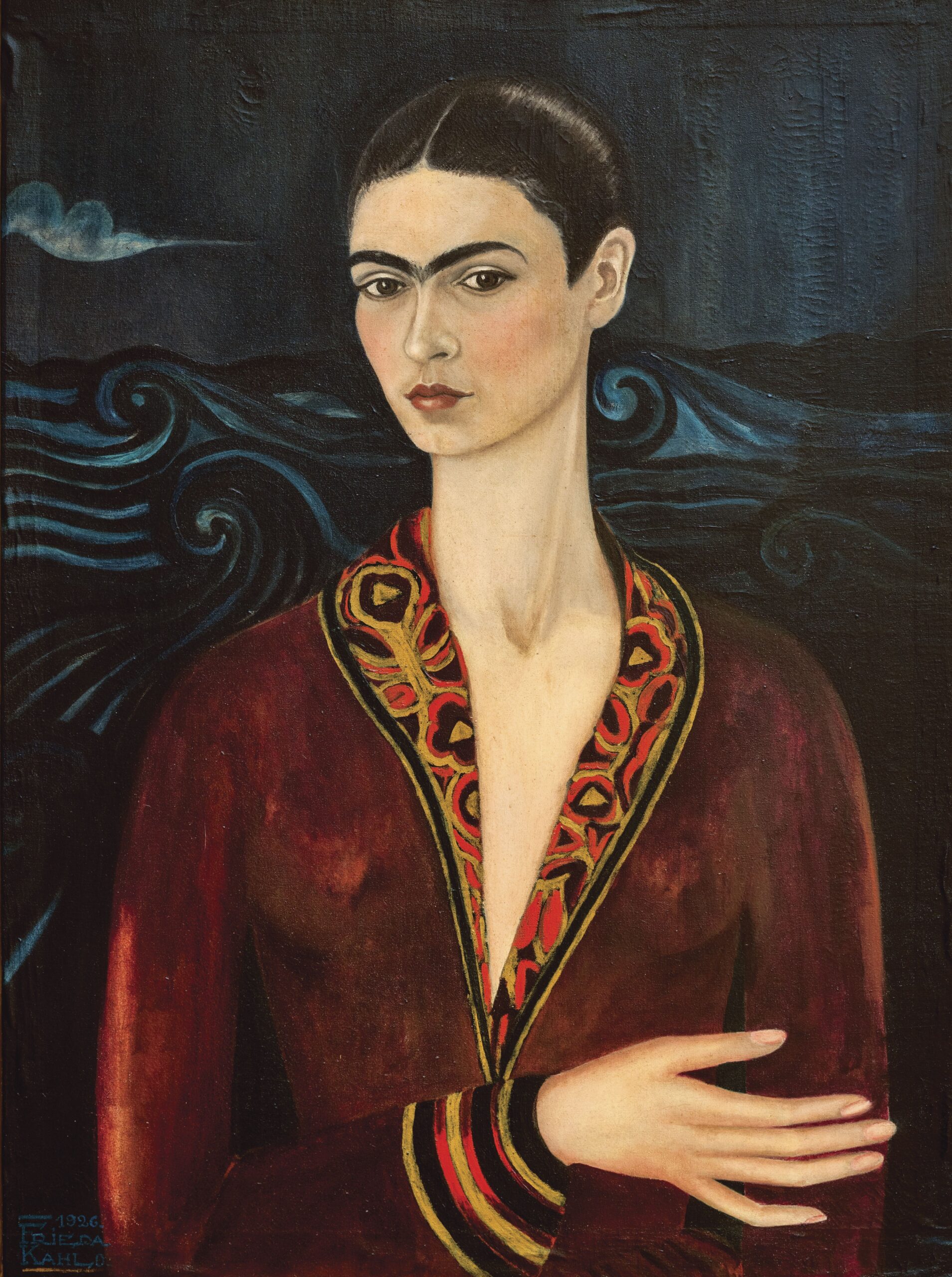
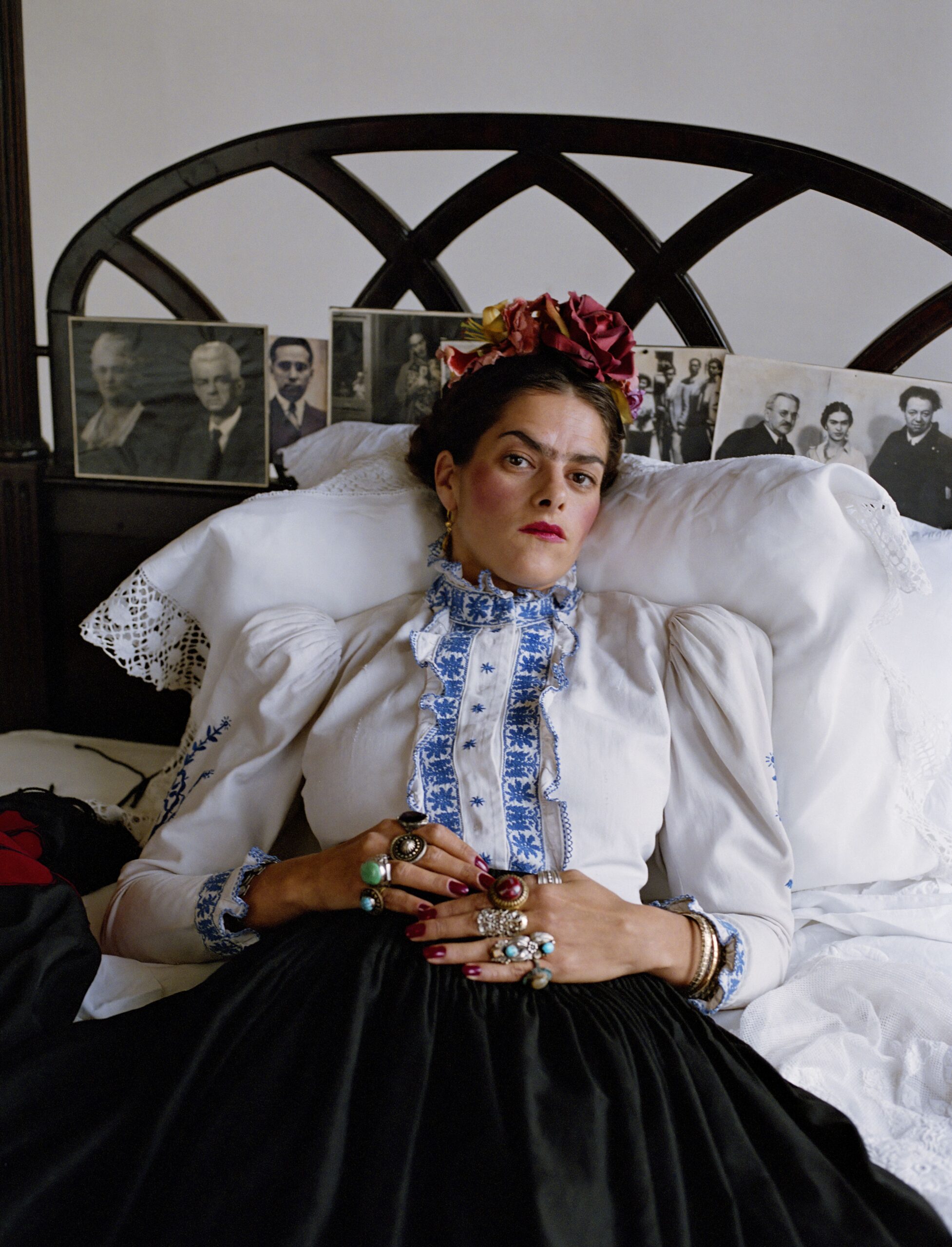
All-encompassing and ubiquitous, the selection of pieces traces Kahlo’s multifaceted personhood as an activist, lover, and intellect. However, the exhibition keeps the painter at arm’s length. Rather than allowing for a deeper understanding of the artist on a personal level, The Making of an Icon pushes viewers outward. Here, visitors are propelled toward a wider understanding of her influence and the sweeping waves she formed throughout the greater contemporary art world.
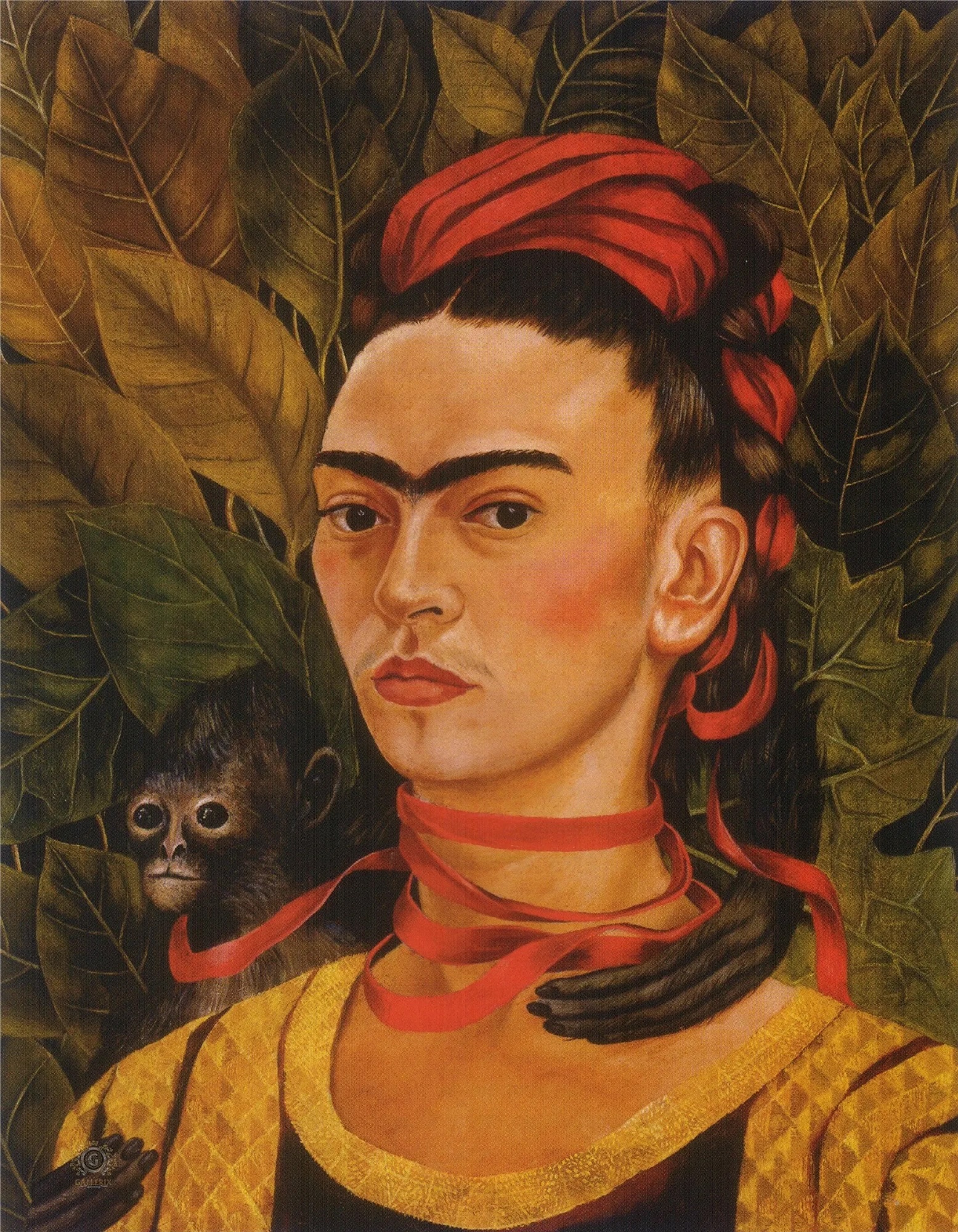
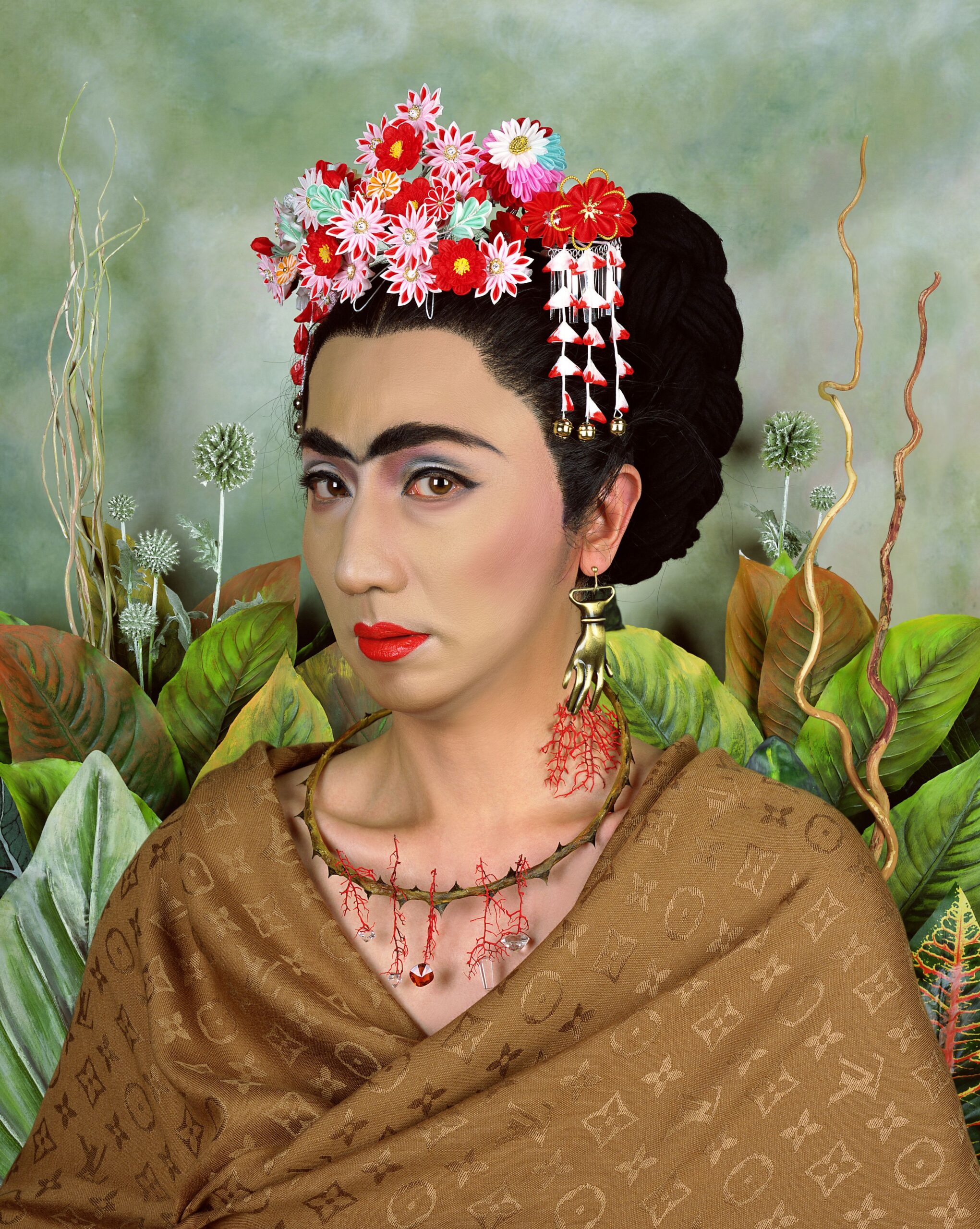
Forever enveloped in swathes of mystique and myth, Kahlo’s work paints a journey of dreaming in deep pigments. Her dark hair, whether pinned up or let down loose, and her trained eyes evoke an unsettling and surreal reaction. Momentarily, her personal longings, Indigenous traditions, and ritualistic practices are perceptible within her emblematic self-portraits. The viewer is granted a fleeting conversation in which Kahlo communicates a raw and tumultuous internal landscape; however, more questions endure and her mysteries remain protected within the confines of her brushstrokes. Ultimately, an acknowledgment of her swaying effect is the heartbeat of the exhibition, a celebration of an artist long-remembered, revered, and recreated.
Frida Kahlo: The Making of an Icon is on view at the Tate Modern until January 3, 2027. For more information, visit their website here.