RULE BREAKERS
Japanese Designers Disrupt Fashion
From avant-garde ateliers on Paris runways to sneaker drops in the Harajuku region of Shibuya, Tokyo; Japan has reshaped what the world considers fashionable and cool. Playing with form, dismantling silhouettes, making streetwear a global language, and stitching together artistic old world traditions with new technologies and ideas, these designers broke the rules and made new ones, influencing what we all wear today.
Issey Miyake
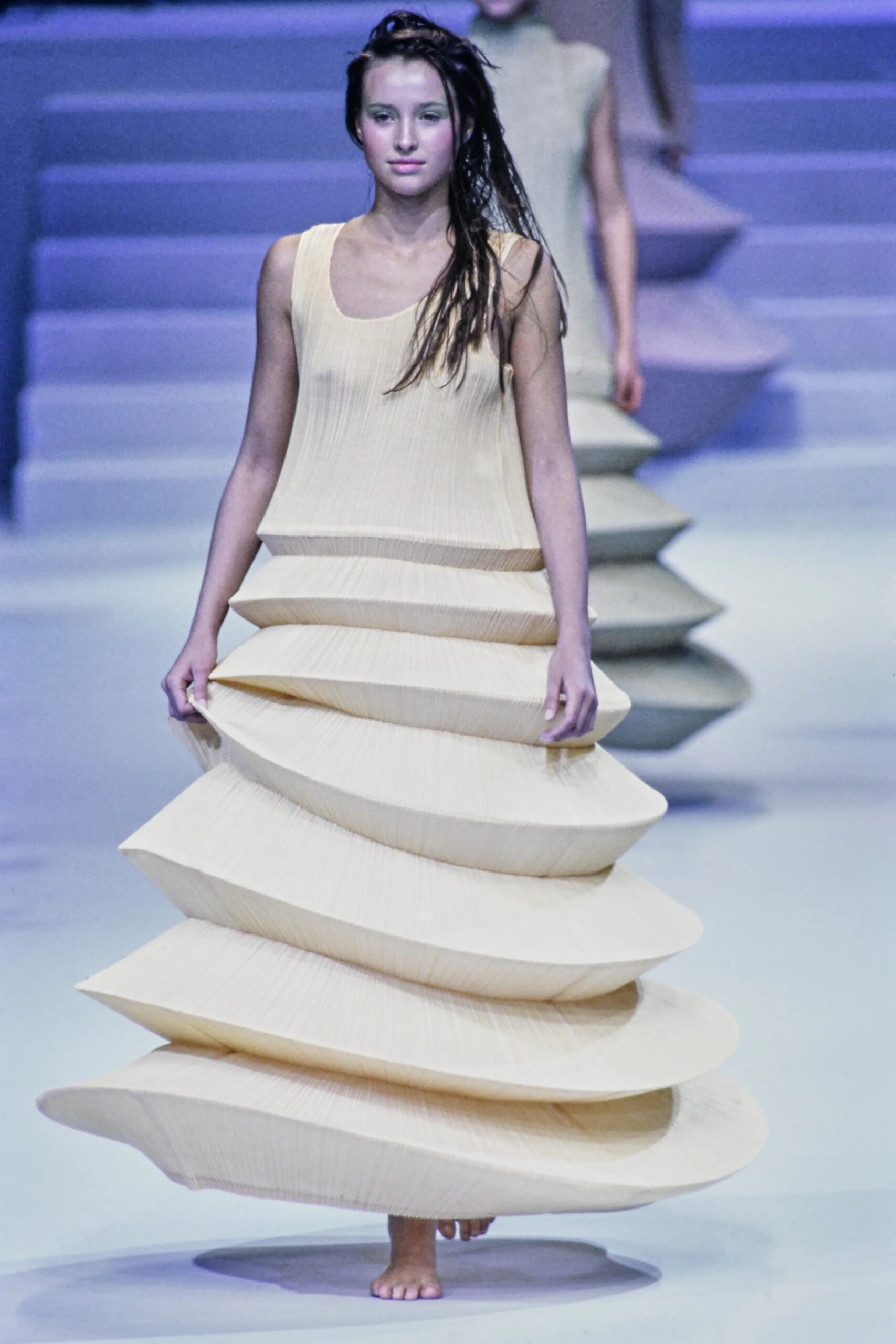
Best known for his conceptual ideas about making clothing from “a Piece of Cloth,” (as he called it in his 1998 A-POC project) Miyake’s work was about focusing on the essence of fashion and how the body, covered by materials, can transform. Positive and negative space, the power of singular threads and fabrics, and a multicultural approach to wearable luxe made his work as thoughtful as it was stunning. Miyake passed away in 2022, but his superb craftsmanship, out of the box pleating, experimentation with dying, embroidery, and stitching techniques lives on. His meld of tradition and technology has had a lasting impact on runways and catwalks around the world.
Nigo (Tomoaki Nagao)
Nigo’s A Bathing Ape, founded in 1993, solidified the power of street fashion in Japan. Anti-fashion brands like Hysteric Glamour influenced the streets a decade prior, but it was BAPE that ultimately influenced high fashion as well. What began as hoodies and T-shirts, led to a global collectible sneaker boom and to the streetwear brands Billionaire Boys Club and Ice Cream, created with Pharrell Williams. The 55-year-old’s aesthetic melding vintage Americana imagery, 90s Harajuku looks (also brought to the states via Gwen Stefani in her videos and brands) and hip-hop culture, became the epitome of cool in Tokyo and beyond. In 2013, he became the creative director for Uniqlo’s UT brand, bringing his vision of cool to the masses, but he kept his couture cred too, partnering with Louis Vuitton and Kenzo.
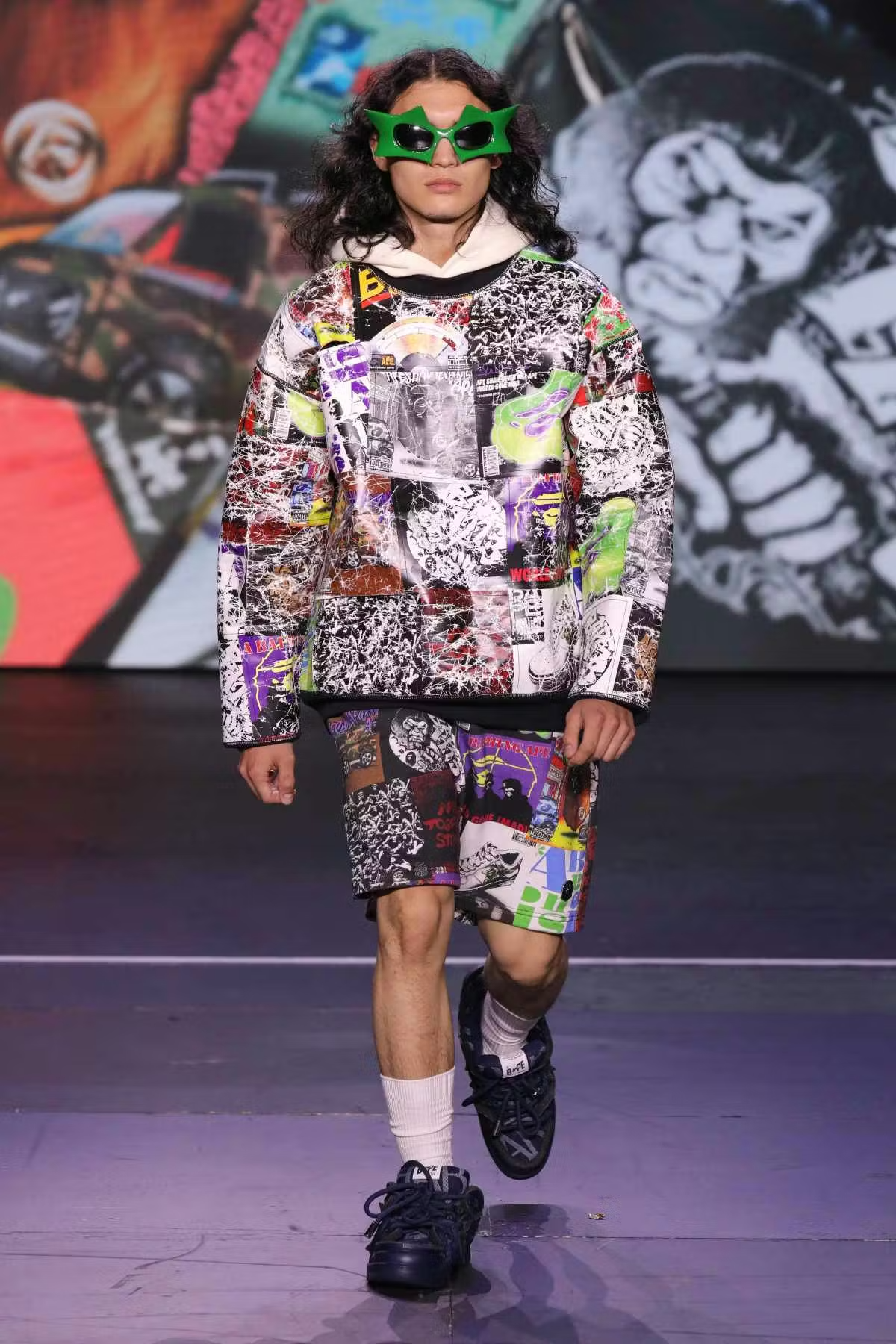
Yohji Yamamoto
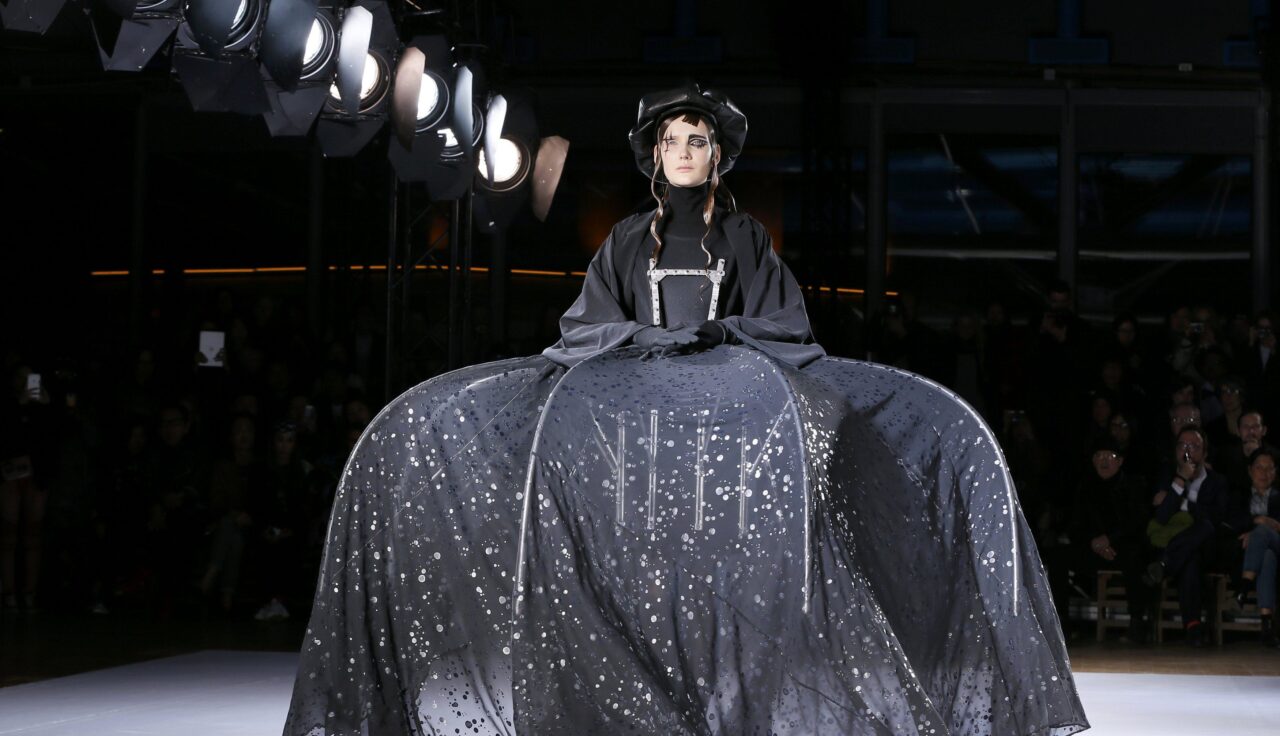
Bold silhouettes, dramatic draping, lush layers and a mostly black palette have made Yohji Yamamoto, 83, a defining voice in Japanese fashion. Based in Tokyo and Paris, the master tailor blends Japanese culture, both sharp and opulent, with a punk attitude that challenges how we think about clothing as function and fashion. Excessive textures, wild shapes and exposed stitching may be commonplace now, but Yamamoto was one of the first to make use of them as forms of wearable expression.
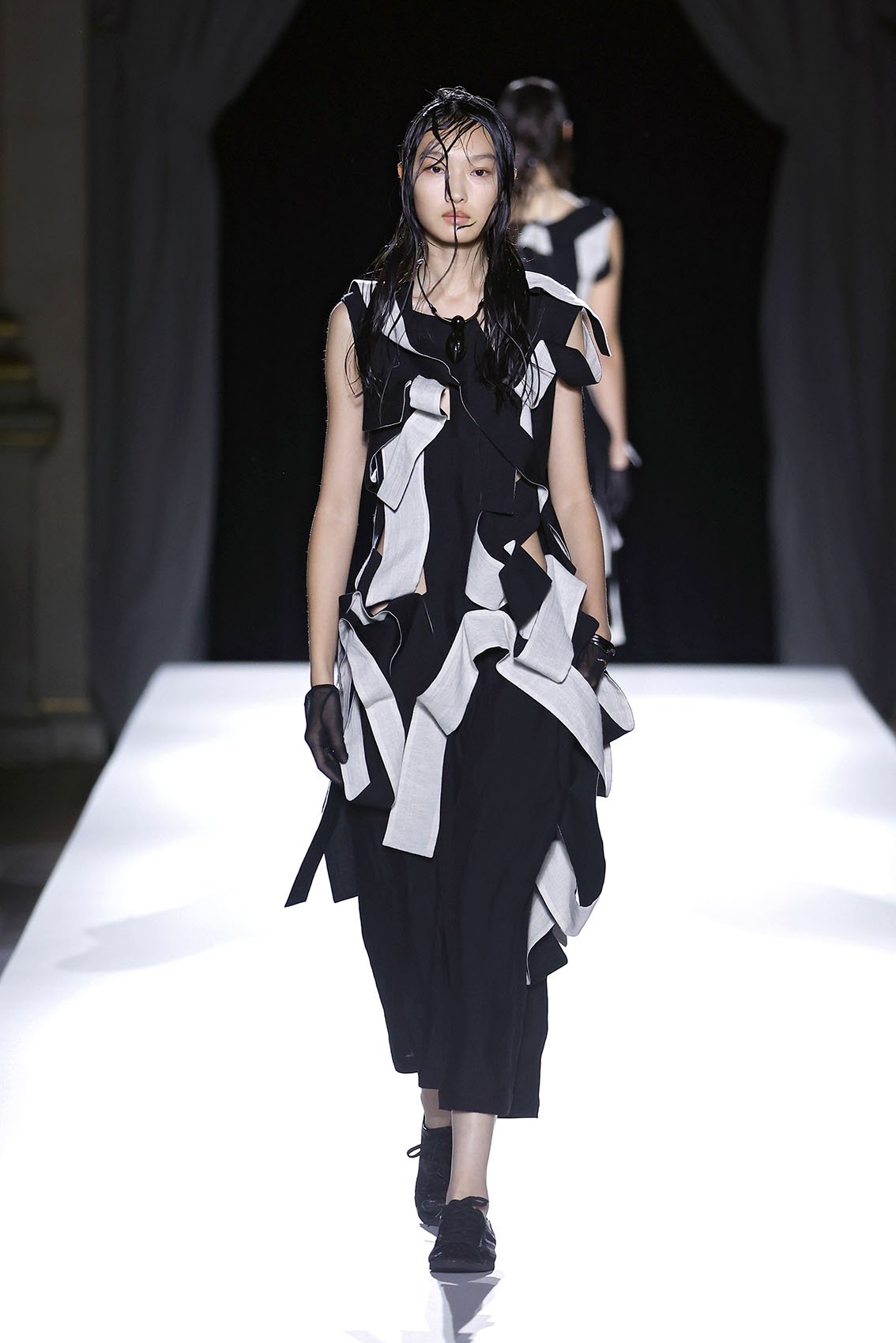
Hiroshi Fujiwara
The “godfather of streetwear” as he’s called, Fujiwara, 62, is credited with starting the Harajuku fashion movement in Tokyo during the late 1980s and ‘90s. He was a mentor for the designers to follow (Nigo included). His companies Good Enough and Fragment Design, strengthened the concept of brand collaborations which elevated sneaker culture and street fashion while also making them more accessible. Pops of color, minimalist structures, and arty ideas made his partnerships with Nike, Levi’s, Louis Vuitton, Supreme, and Converse covetable and solidified the reciprocal relationship between U.S. and Japanese collector culture.
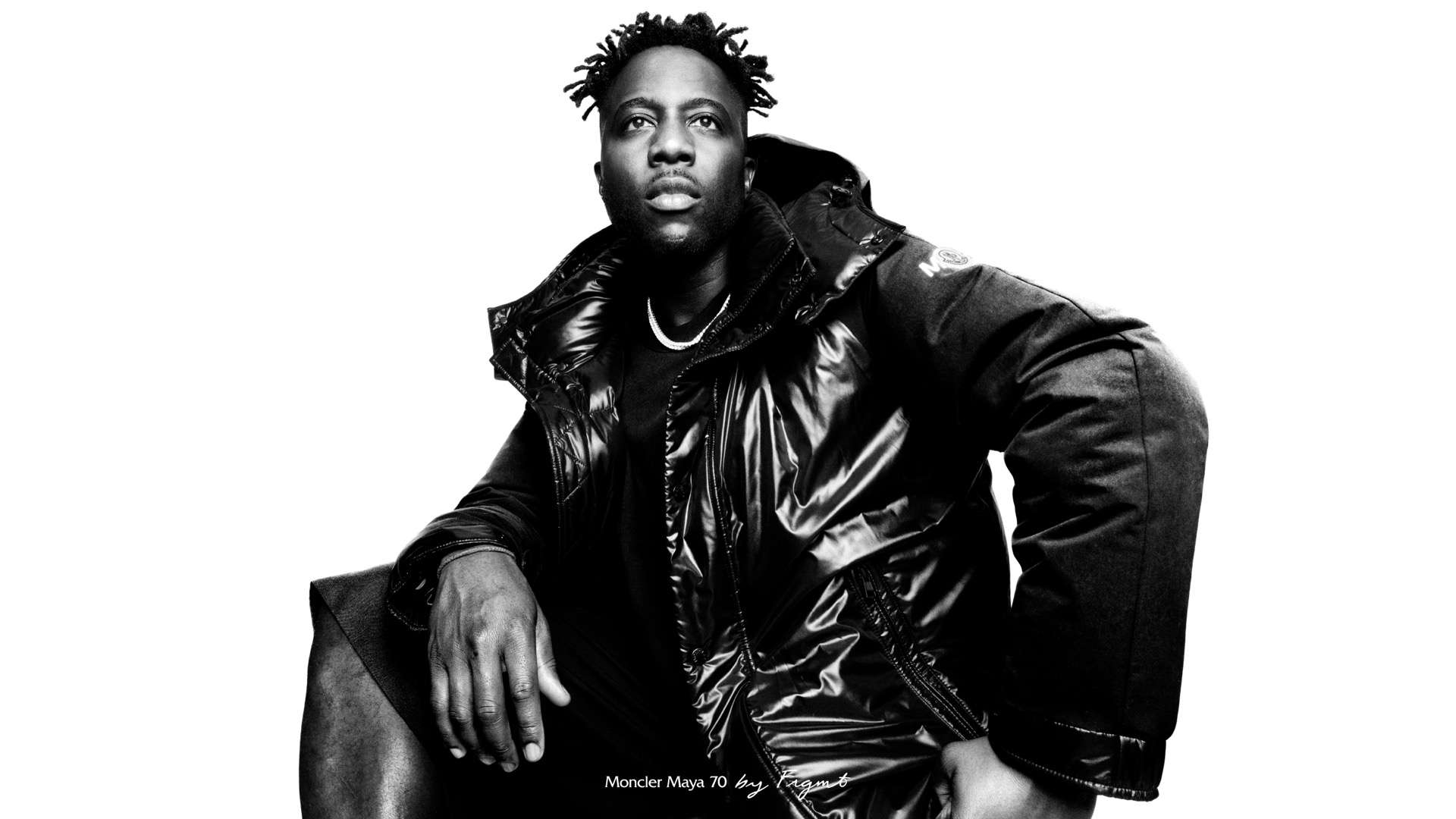
Kansai Yamamoto
With David Bowie as his muse, Yamamoto has left a lasting impact on fashion—and music. Designing some of the Starman’s most flamboyant looks beginning in 1971, he arguably contributed to the singer’s legend. From the iconic black and white structural bodysuit that made him look sort of like a human vase, to the rockstar’s form-fitting one legged jumpsuit for stage during the Ziggy Stardust era, his imagination ran wild when it came to stagewear. Yamamoto, who died of leukemia at 76 in 2020, had a gift for creating striking costumes and clothing, but his work never overpowered the wearer; it helped his clients shine, and no one brighter than Bowie himself.
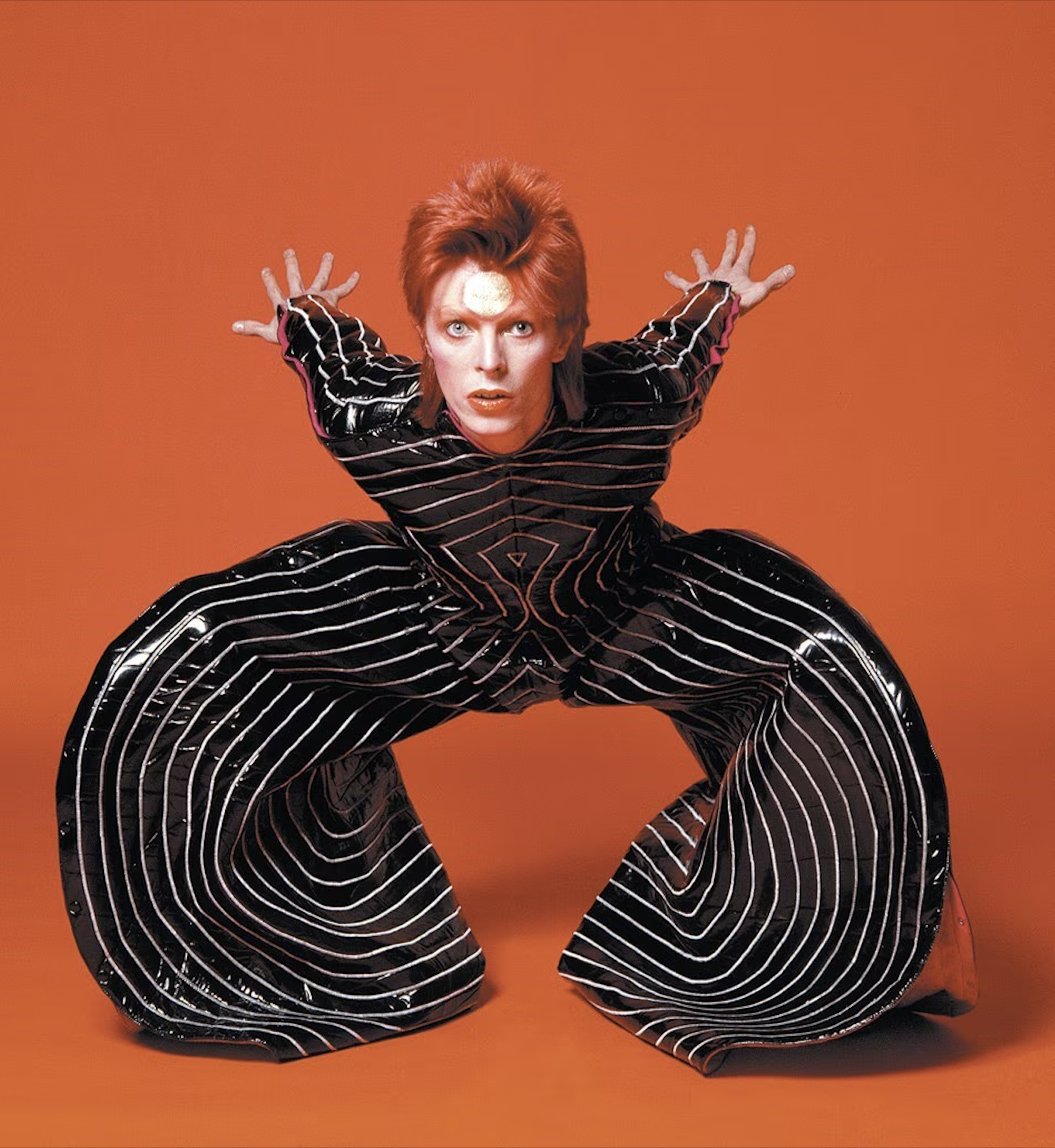
Rei Kawakubo
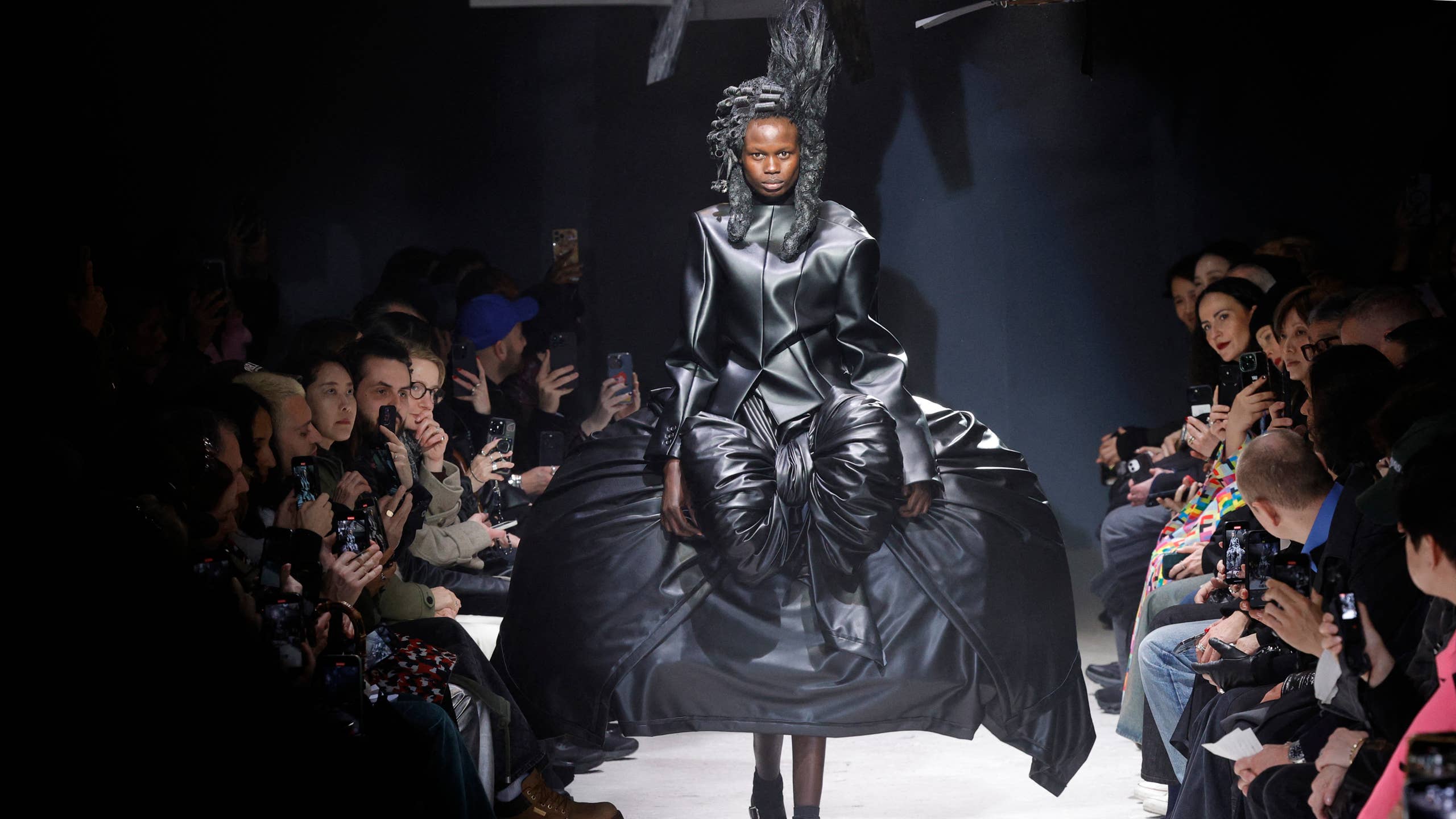
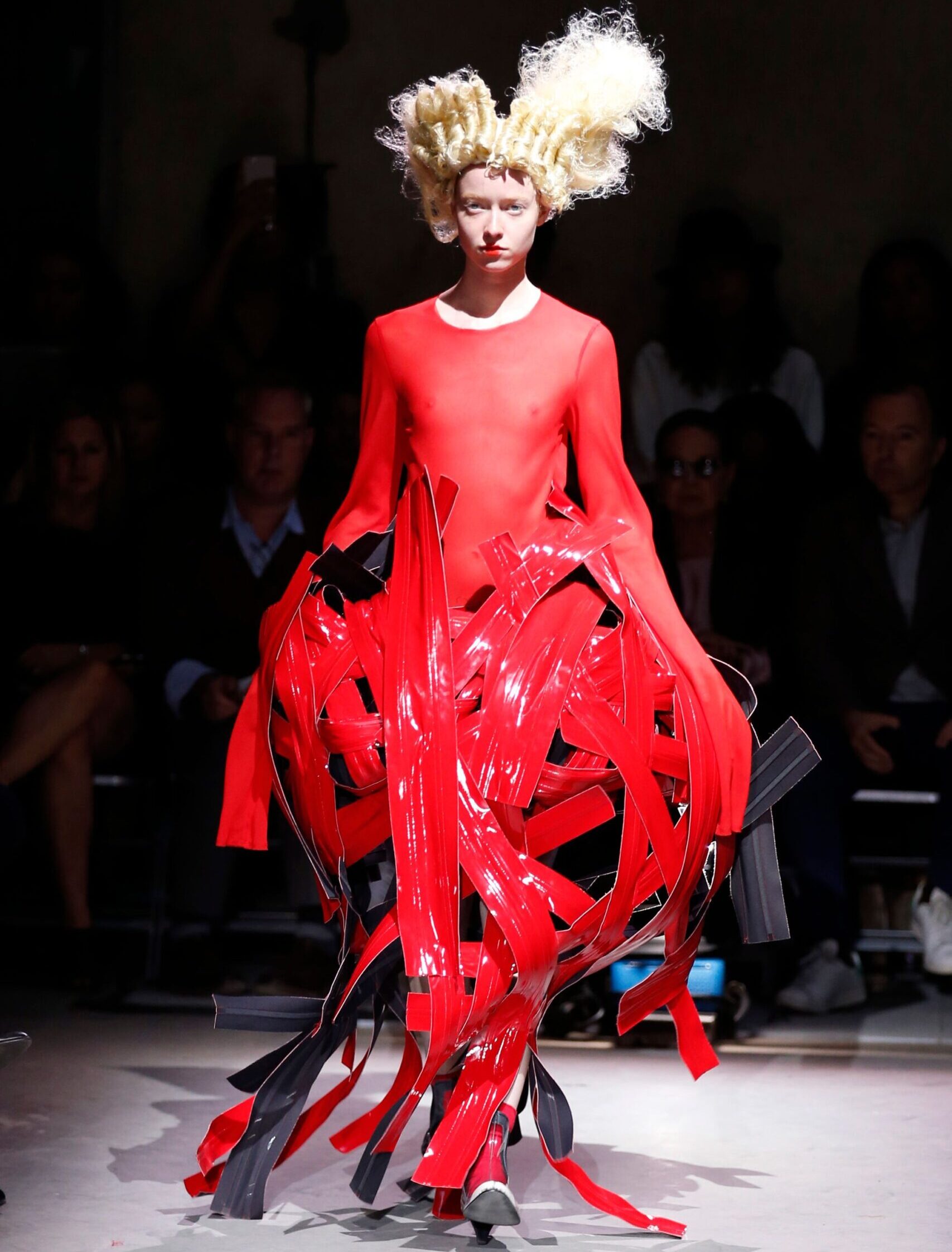
The mastermind behind Comme des Garçons has influenced designers in Paris, and around the world, to explore avant-garde ideas, use unexpected textures, play with asymmetry, and rethink what chic can mean when cultural influences are reconsidered and reinterpreted. Martin Margiela, Ann Demeulemeester, Helmut Lang and Alexander McQueen have all pointed to this visionary as an influence, but they didn’t need to. Look at any runway and it’s obvious. A pioneer of deconstructed couture, Kawakubo, now 84, is iconic for her gender-fluid aesthetic, in shades of mostly black, white and grey, and for playing with proportion and protrusions in a provocative way that’s instantly recognizable.