
SZILVESZTER MAKÓ, SURREALLY
Disruptor Of Fashion Imagery
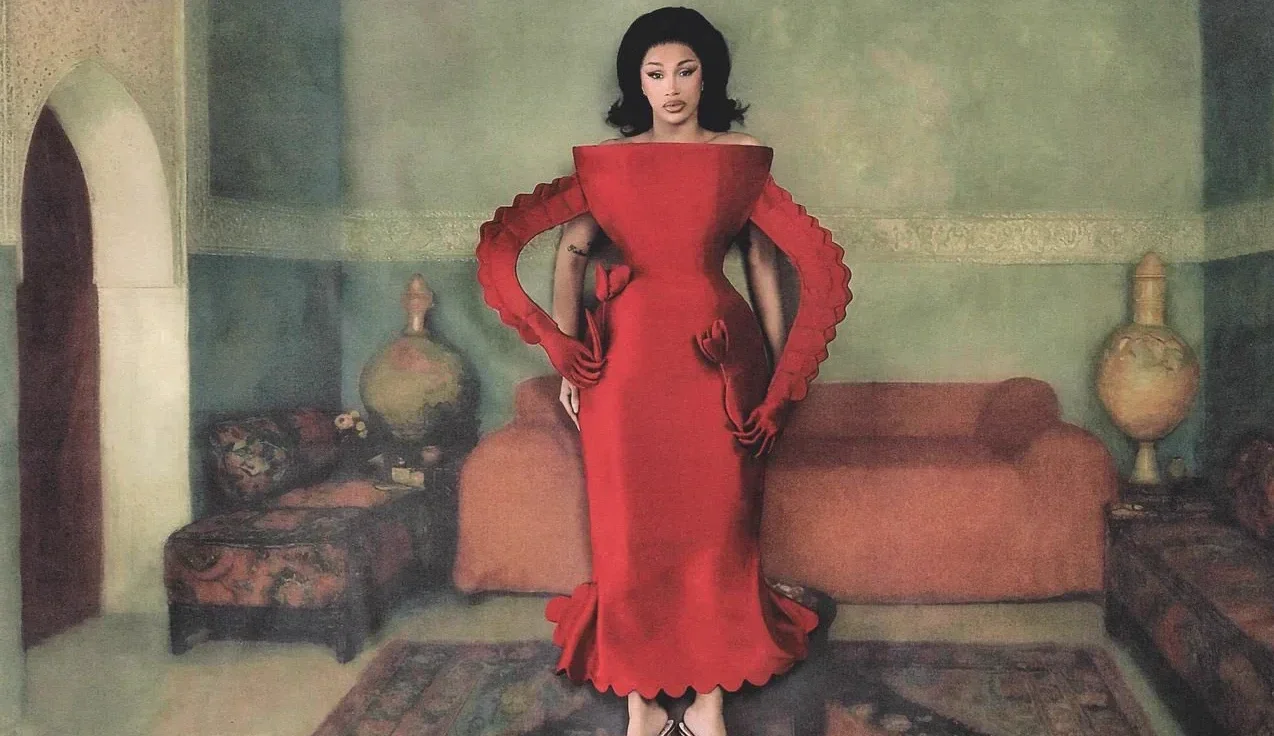
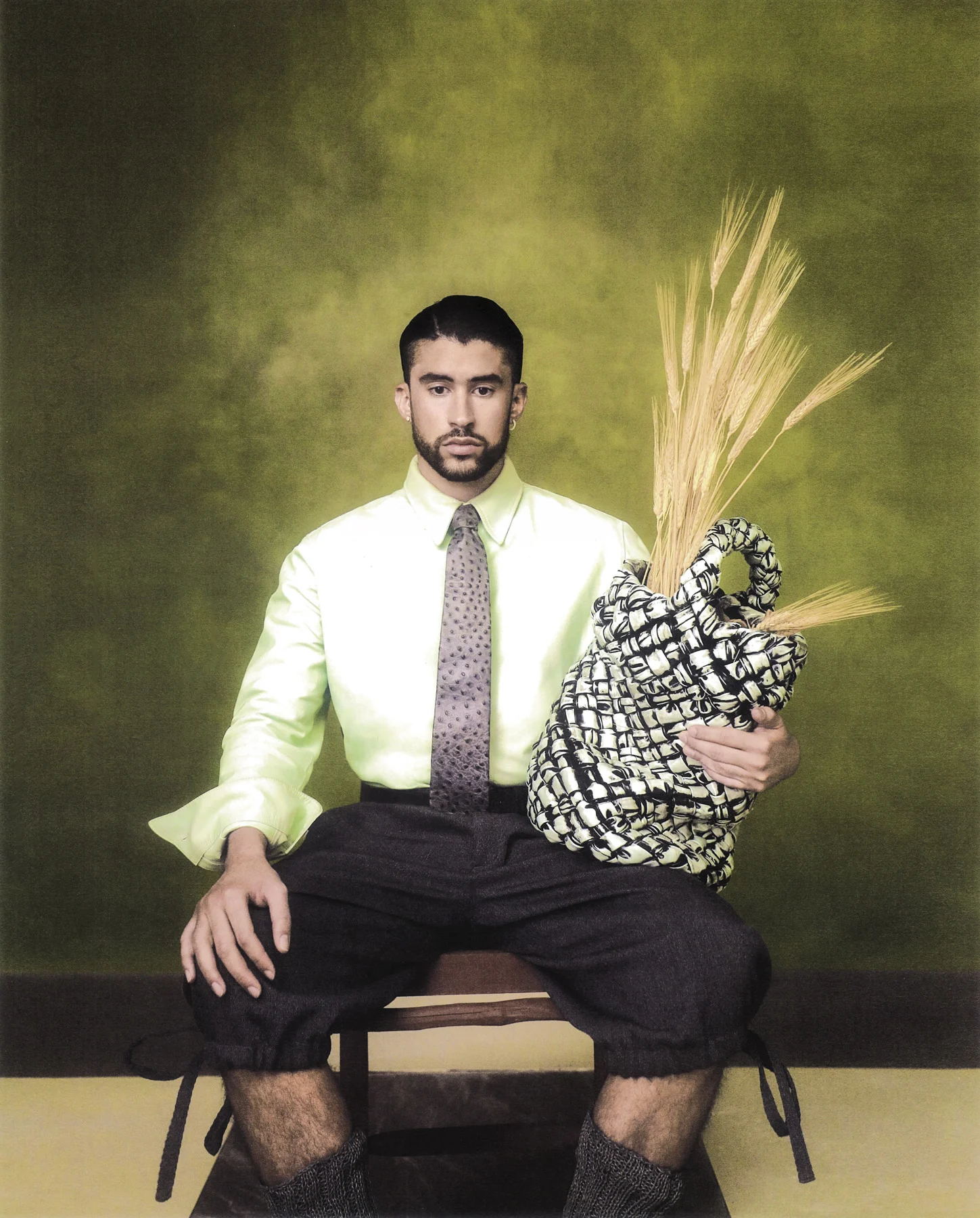
Szilveszter Makó’s photography sings on our palates like a mouthful of Champagne Avenue Foch, pearl-bright and shimmering after so many stale sips of normalcy.
Born in Hungary and based in Milan, Makó has attracted a following obsessed with the plush lighting, sensual wardrobe curation, and theatrical arrangements of limbs that have become his calling cards. His photography gathers both the elegant poise of a John Singer Sargent painting and the dripping decadence of a Gustav Klimt. Each portrait tells a story in Makó’s heady dialect, swirling with depth and introspection in a way that is nearly impossible to capture in one shot. And yet, here we are, dizzy with the opulence of Makó’s single-frame screenplay.
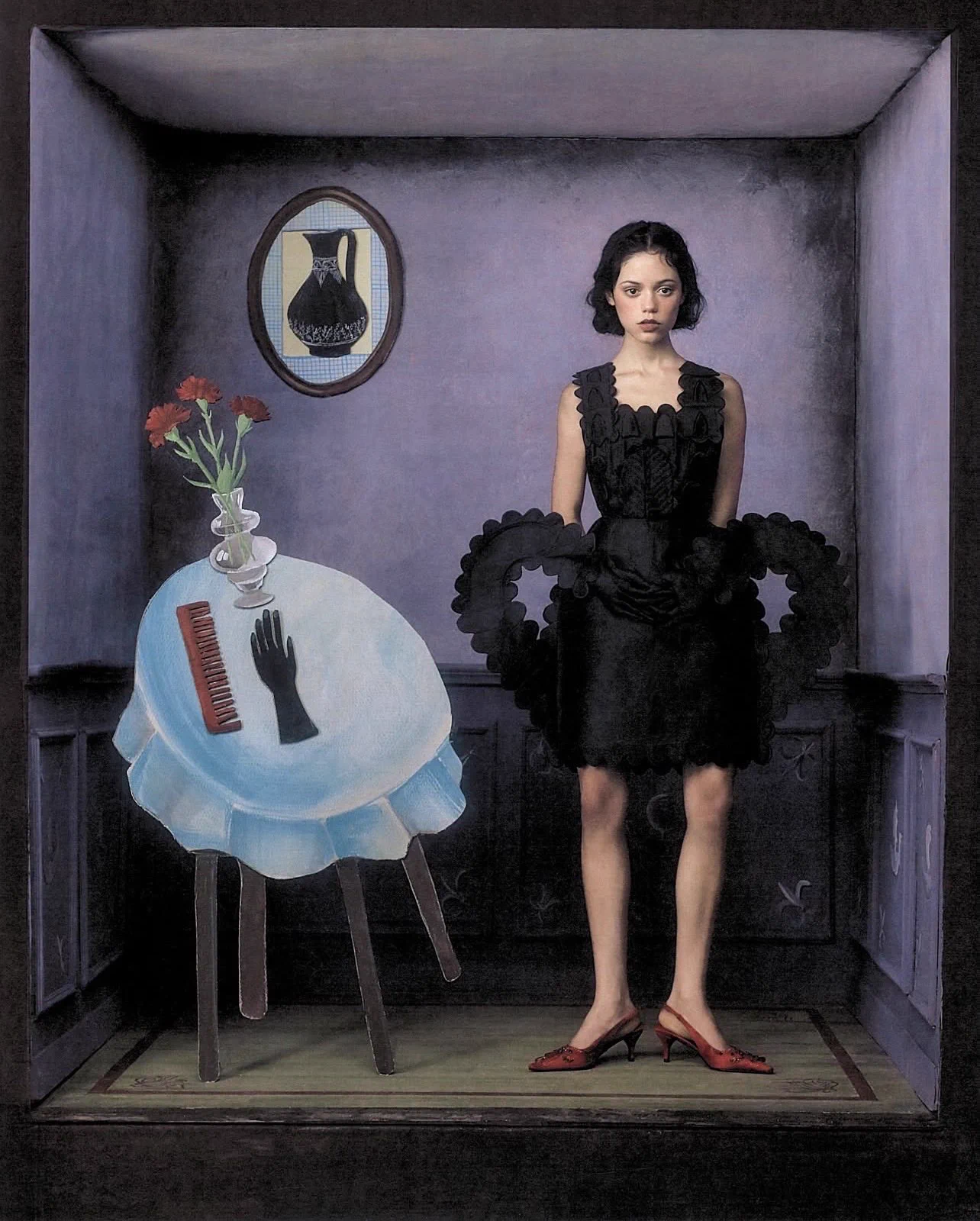
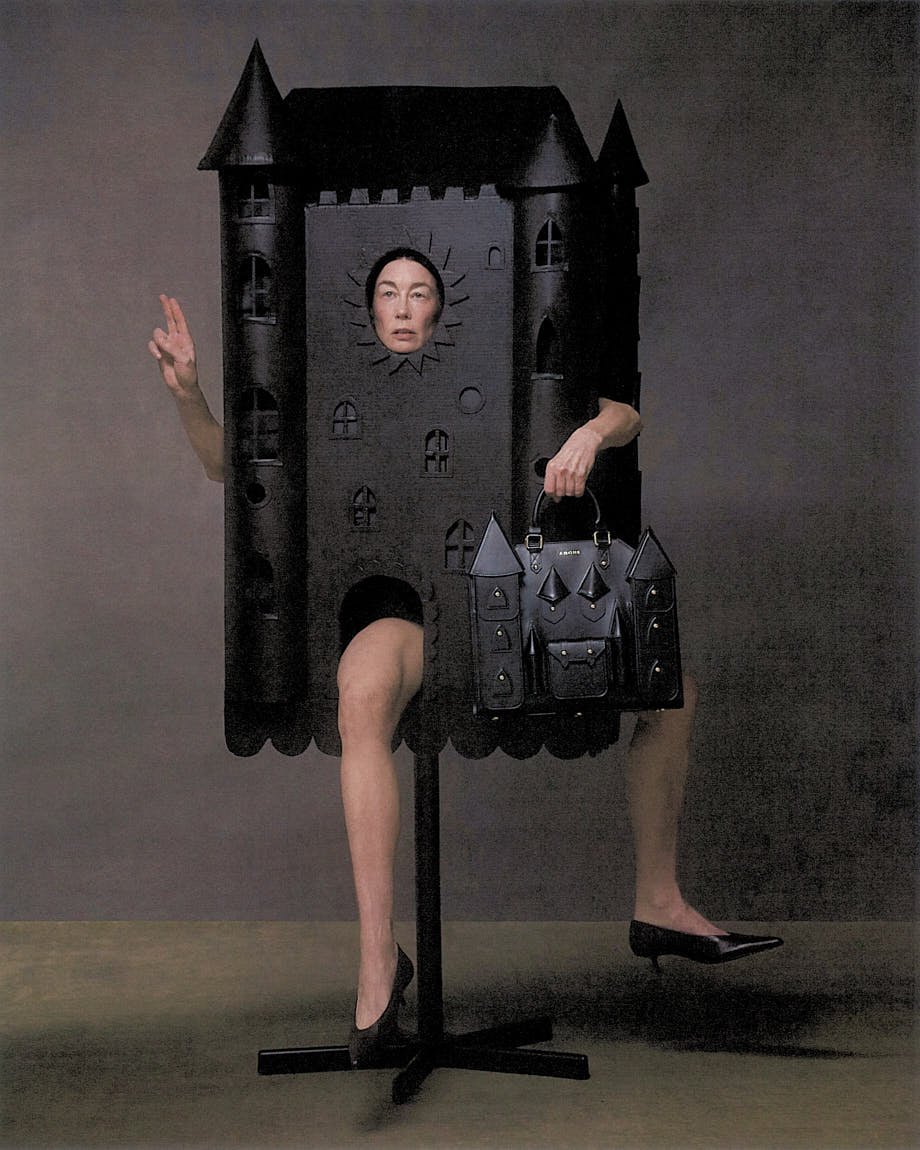
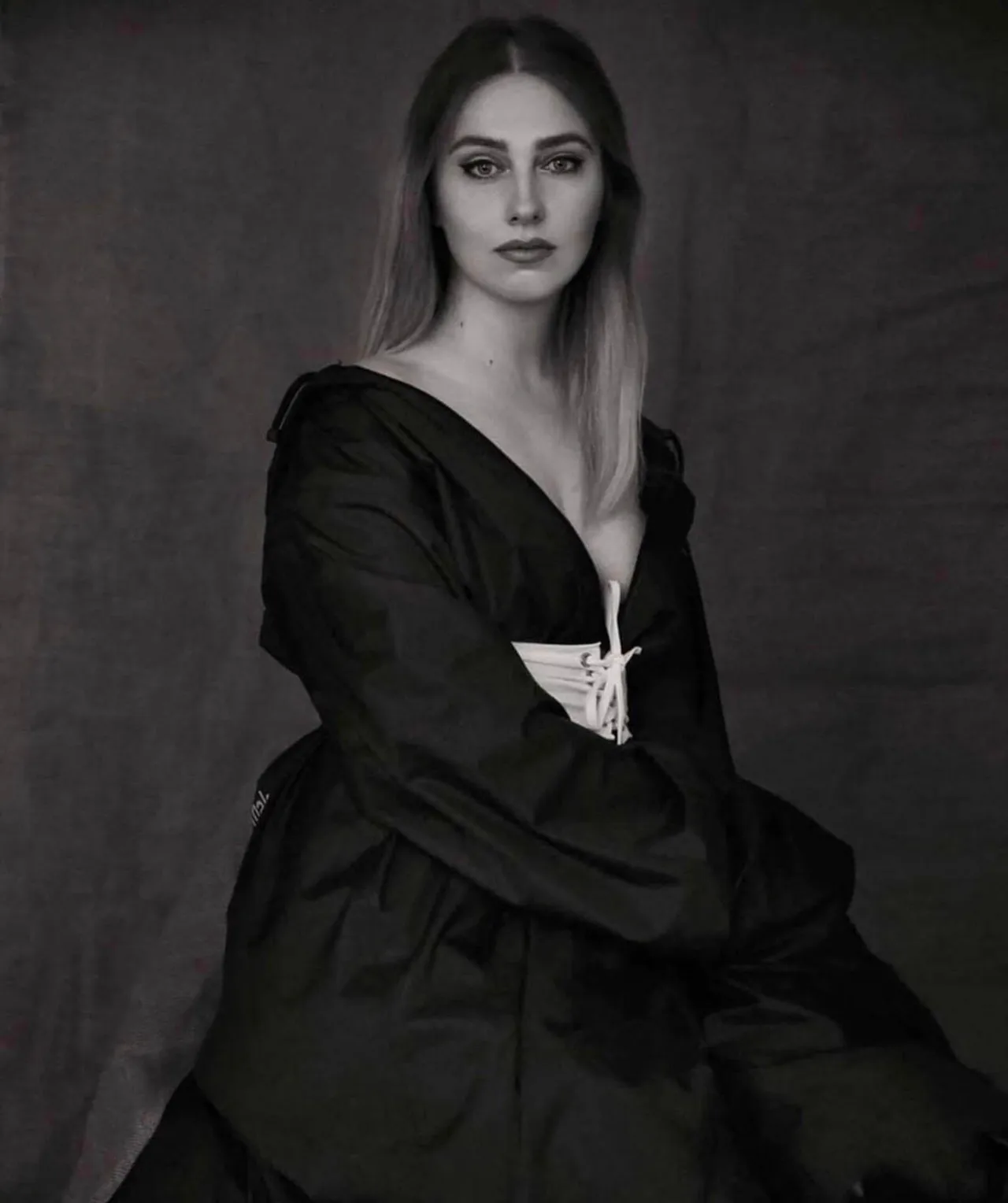
He exhibits a level of precision and control that clarifies the connective tissue between past and present. A photograph of Marie Antoinette would not look out of place among a gallery of his work featuring Rihanna, Bad Bunny, or Elle Fanning. He establishes a sense of time and place that is more grandiose, more theatrical, and more indulgent than much of the tedious imagery we encounter throughout any given day.
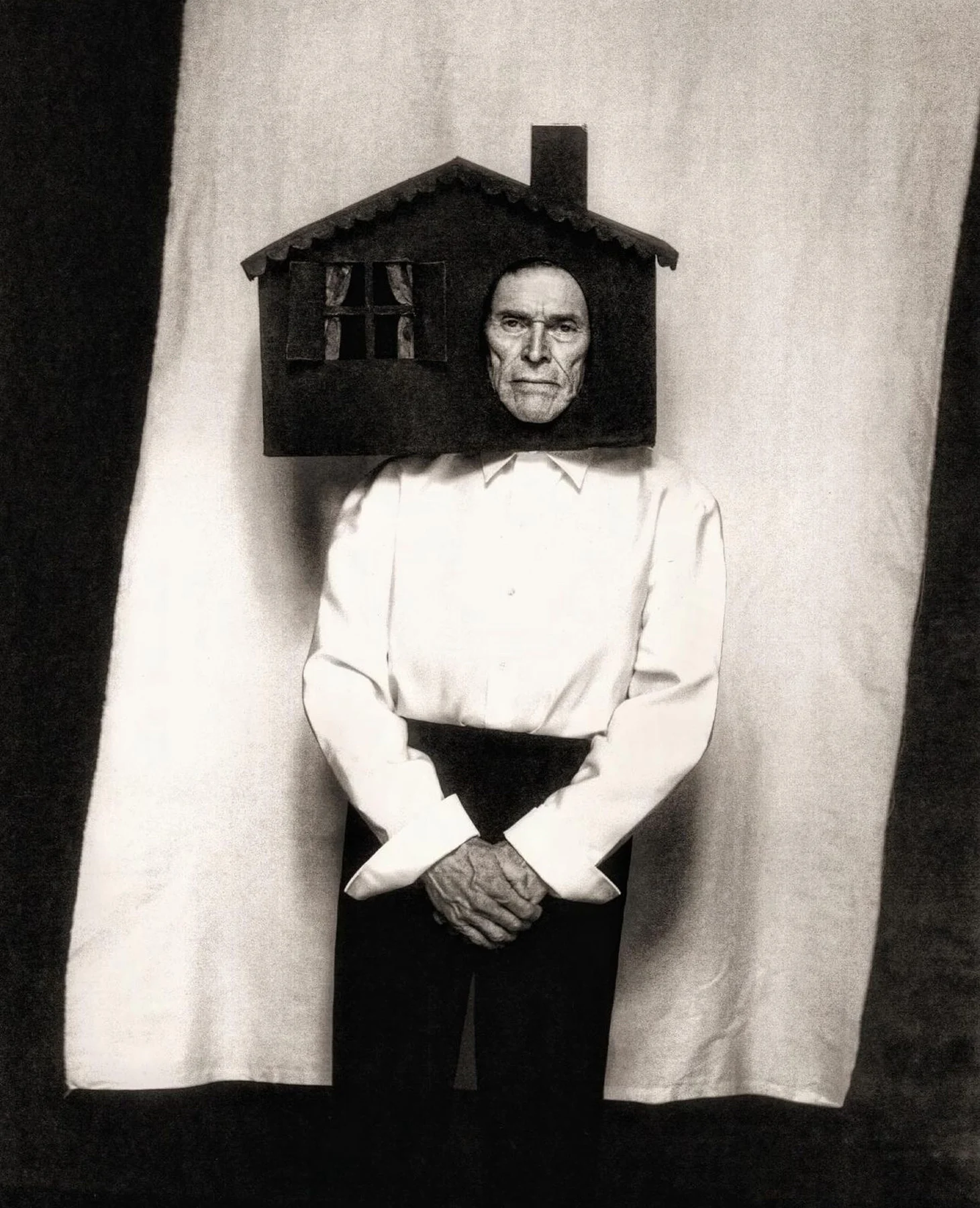
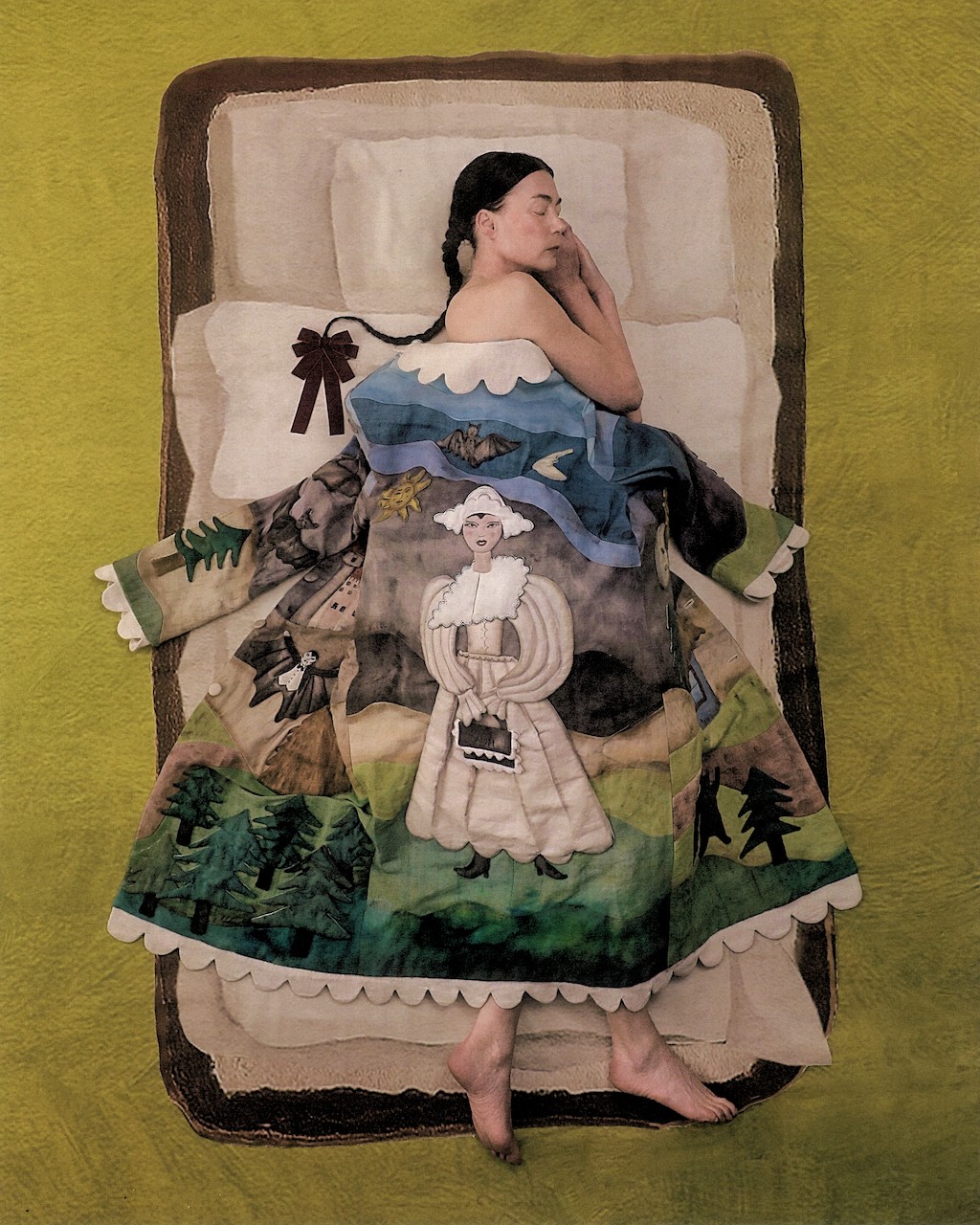
It is the most addictive work we’ve seen in any medium in recent years, and what’s most surprising about it is the fact that, for what limited details he’s revealed, it’s largely analog. Makó’s sets are painstakingly hand-painted, the lighting all natural, and the use of flash lighting is strictly forbidden. He is deliberately secretive about his methods, which only serves to make us love him even more.
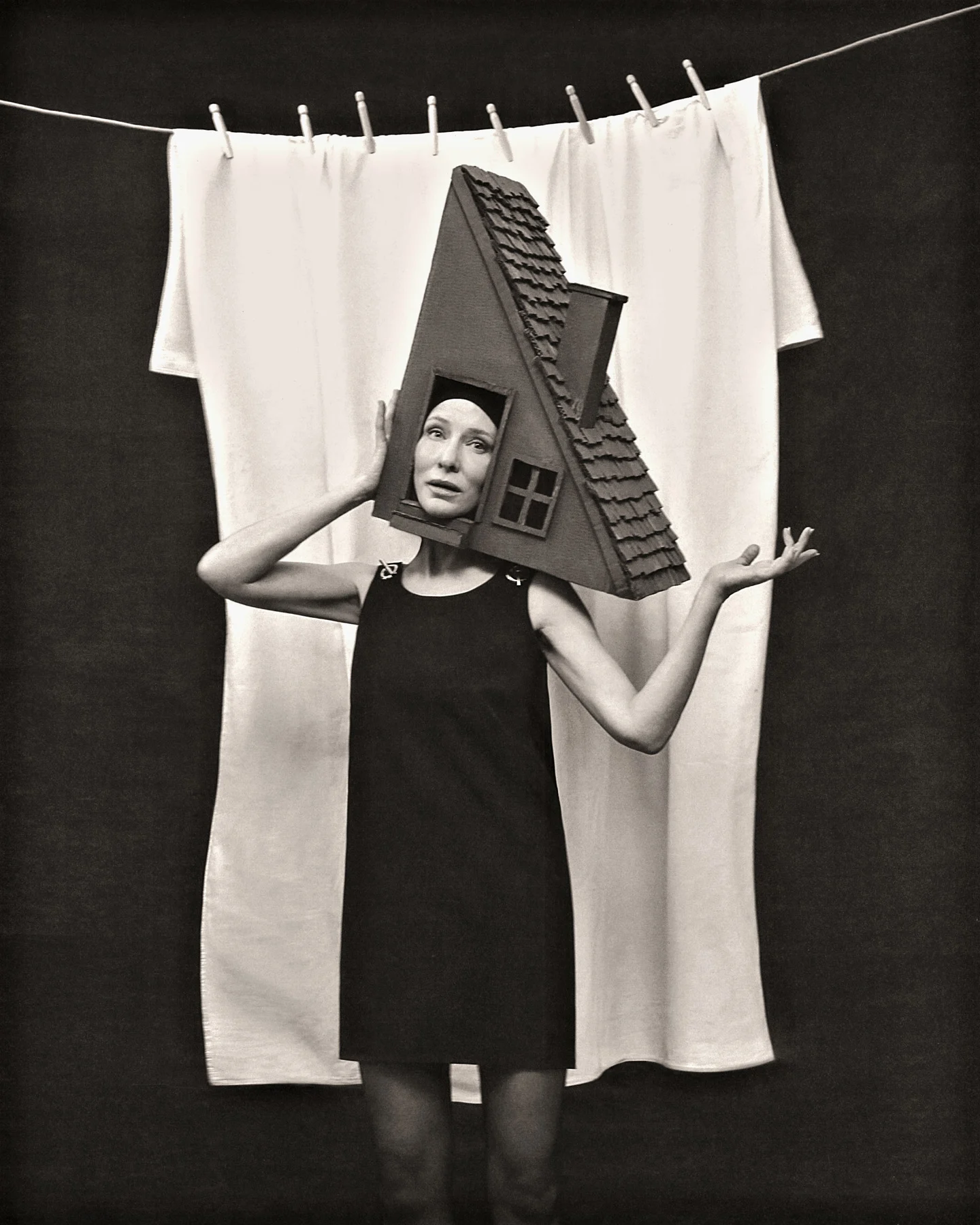
Makó’s work has graced the covers of Vogue and GQ, and gone viral on Who What Wear, and he’s still years away from turning forty. We can only imagine how brightly this photographer’s star will gleam as he continues to redefine what’s possible in the craft.