ABSTRACTION IN MEXICAN PHOTOGRAPHY
Garduño, Bravo, Iturbide+
A Century of Abstraction in Mexican Photography is now on view through September 26, 2026 at Throckmorton Gallery in New York. The talents featured in the exhibition make memorable interpretations of the feeling of place, the unnamed impressions a moment can leave on the skin. Spanning in time from the mid-1920s to the mid-2010s, the show itself captivates us with visceral translations of life as experienced by those behind the lens.
The show spotlights Mexican luminaries including Flor Garduño, Manuel Álvarez Bravo, and Graciela Iturbide, as well as beloved expatriates like Tina Modotti and Edward Weston. It’s a resonant show, worth spending a few hours to get to know the artists and their visions.
Flor Garduño and Graciela Iturbide, two of the photographers included, could just as easily identify as painters or sculptors of light as photographers; their work in this show tramples the common notion that photography merely documents reality. Their manipulation of form, light, shadow, and depth abstract their subjects as though the whole world were made of clay and pigment to be pressed into feeling.
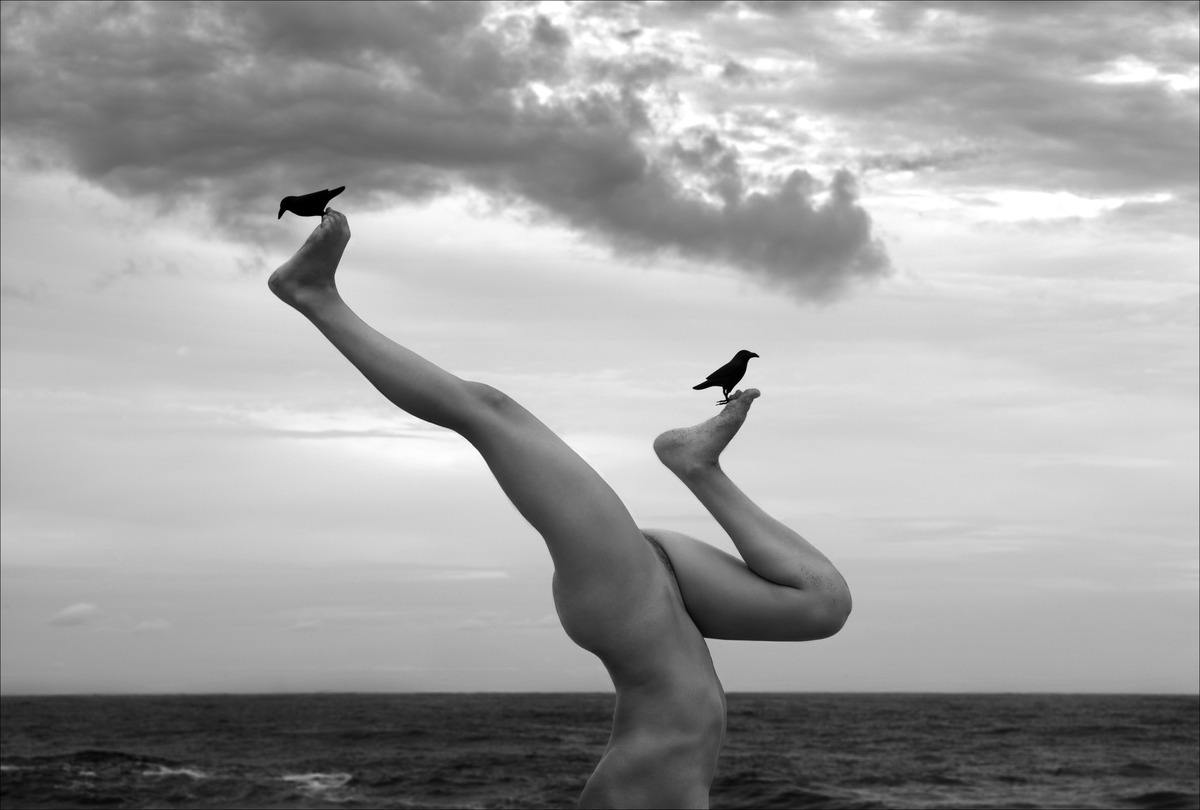
In the collection of pieces by Flor Garduño, extreme light cuts through sooty shadow to evoke a sense of foreboding. We are particularly smitten with the visual vocabulary of birds, blooms, and women. Perusing Garduõ’s work, we see a woman’s body suspended in a handstand with small crows perched on each foot as the ocean stretches behind her. A nude woman reclining in the tide alongside a marlin, the two of them equally serene and reposed.
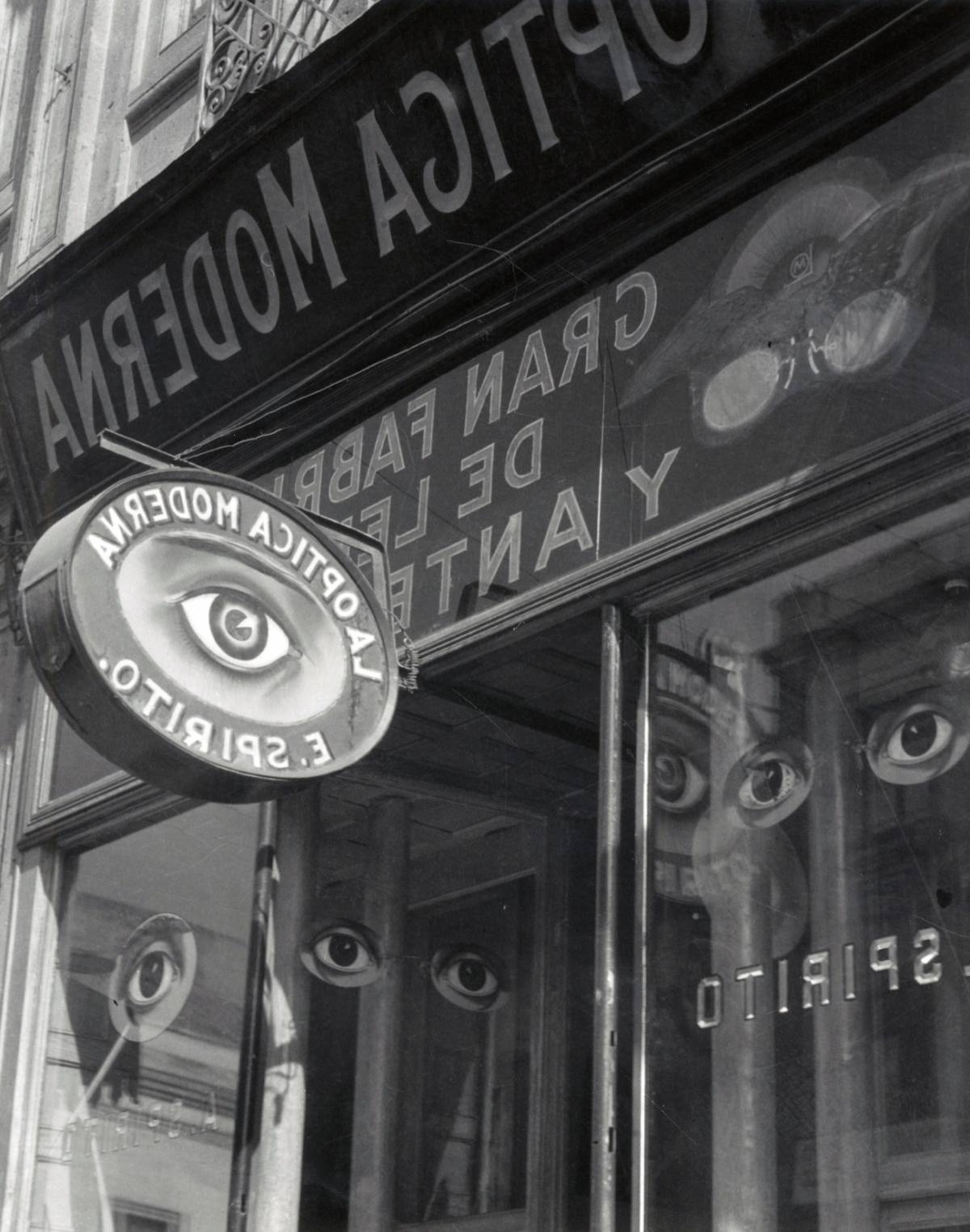
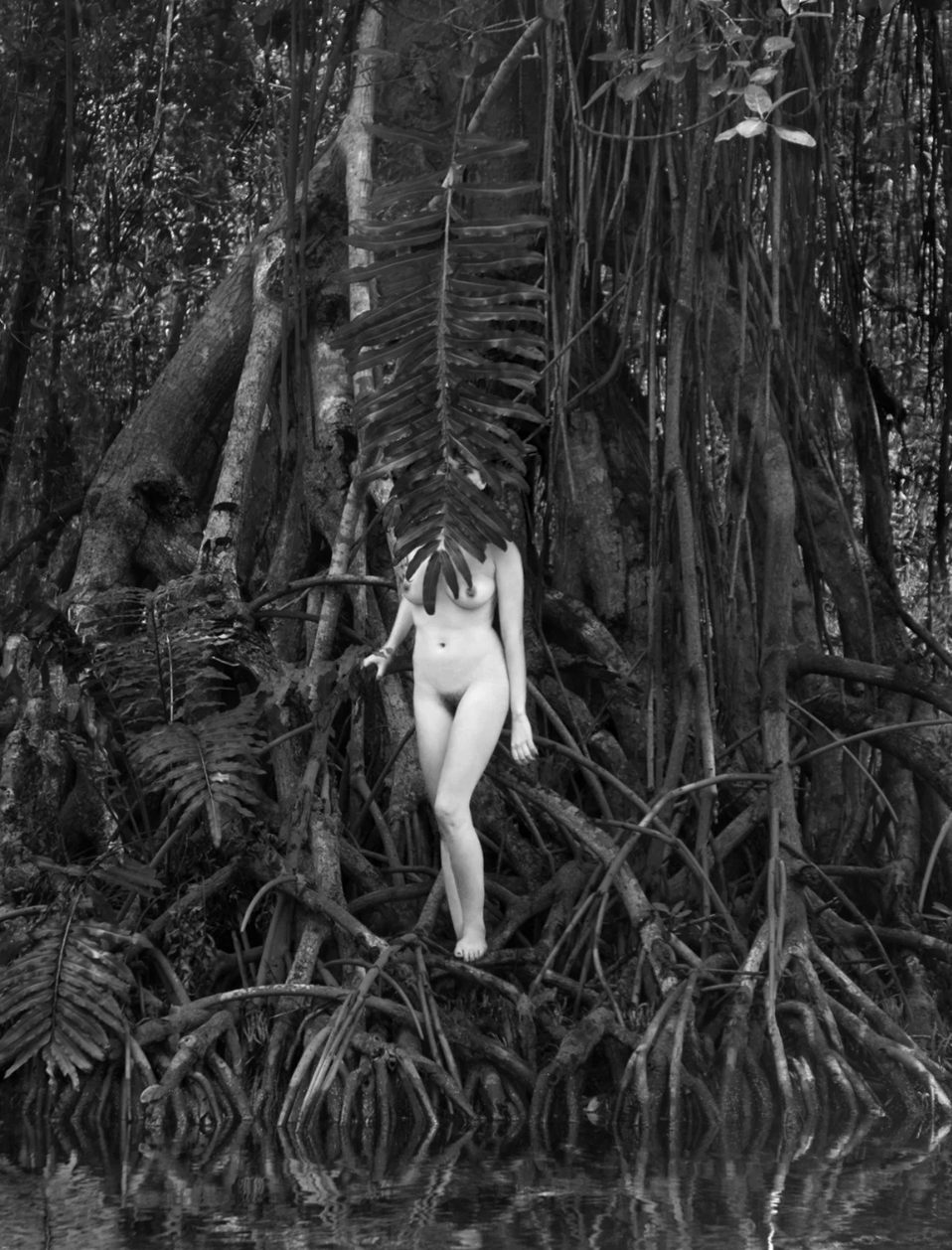
A nude woman standing among the orgy of roots and vegetation on the fringe of a jungle river, every bit as ripe, damp and fresh as the fruits threatening to pluck themselves from the vines under the weight of their own juice
A coated man on a beach hoists an umbrella aloft as he stands waist-deep in the surf, alone, a beacon to no one.
Garduña haunts us still.
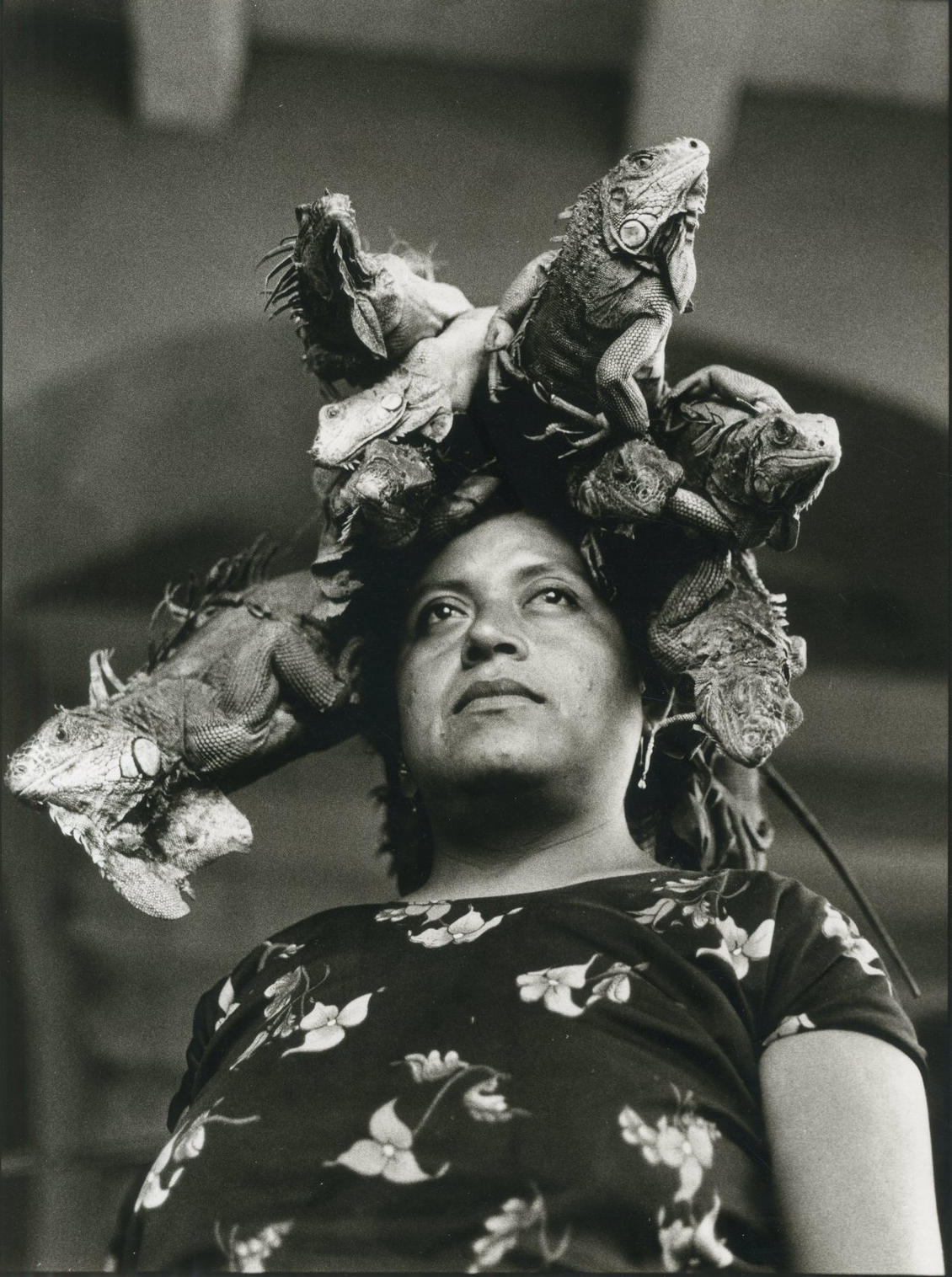
Graciela Iturbide’s intimate frames of life mark the tender tension between struggle and joy.
In her work, we find a celebration of legacy in the storied faces of shawled women, shadows playing melodies on the lines that laughter and tears sketched around their eyes.
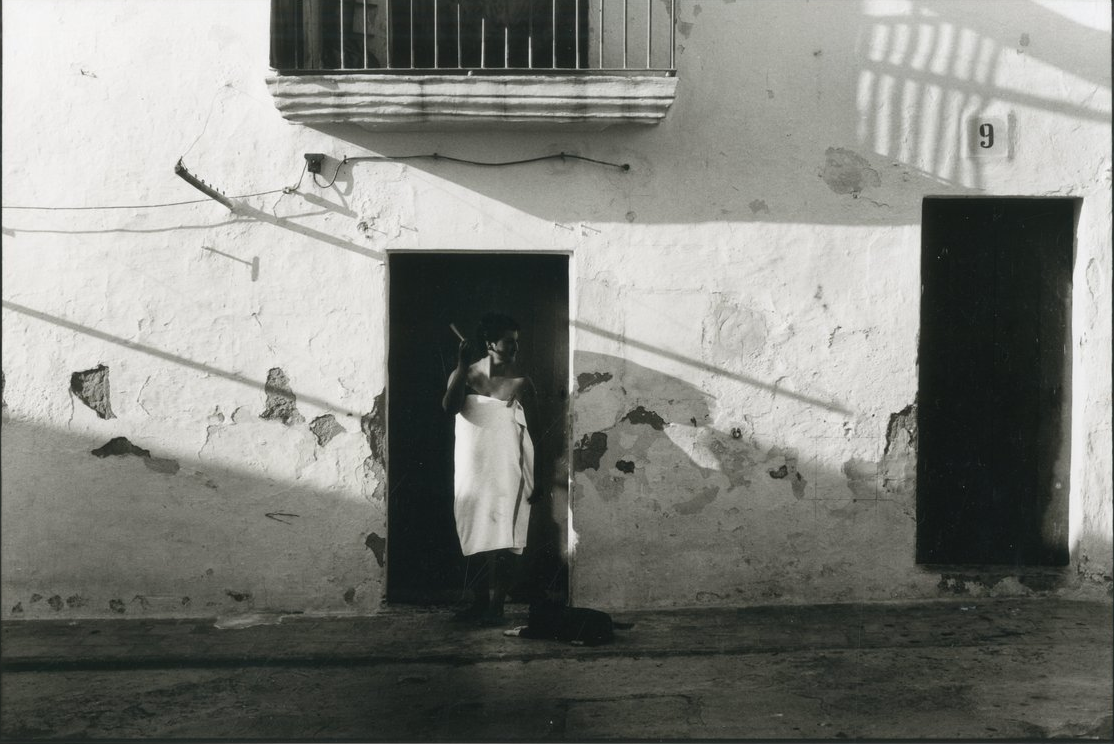
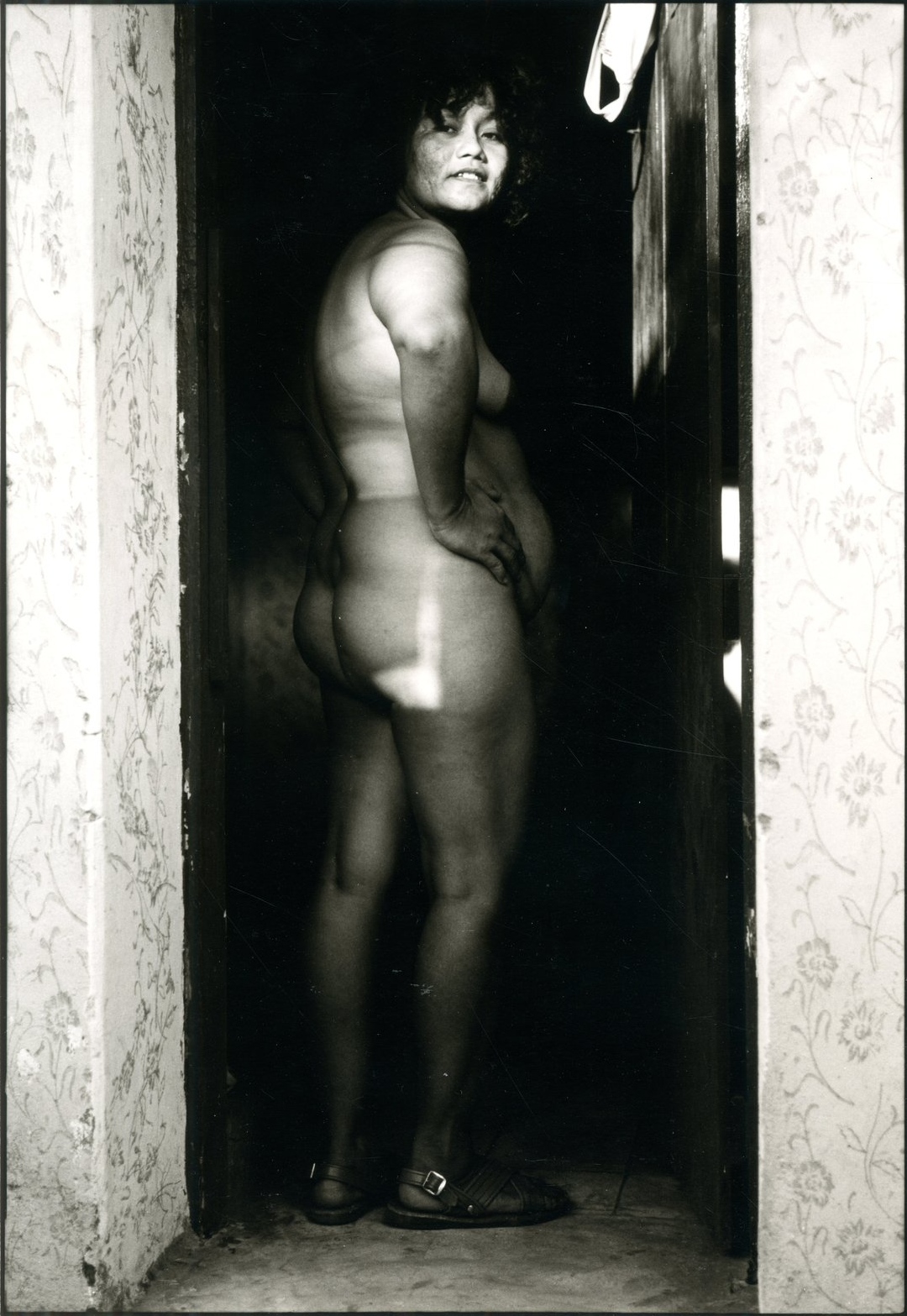
A woman pauses in a doorframe, turned away from the lens, casts an accusatory look over her shoulder as if to say, “I don’t think you’re brave enough to cross the threshold, but I dare you to try.” She wears only huaraches and life experience.
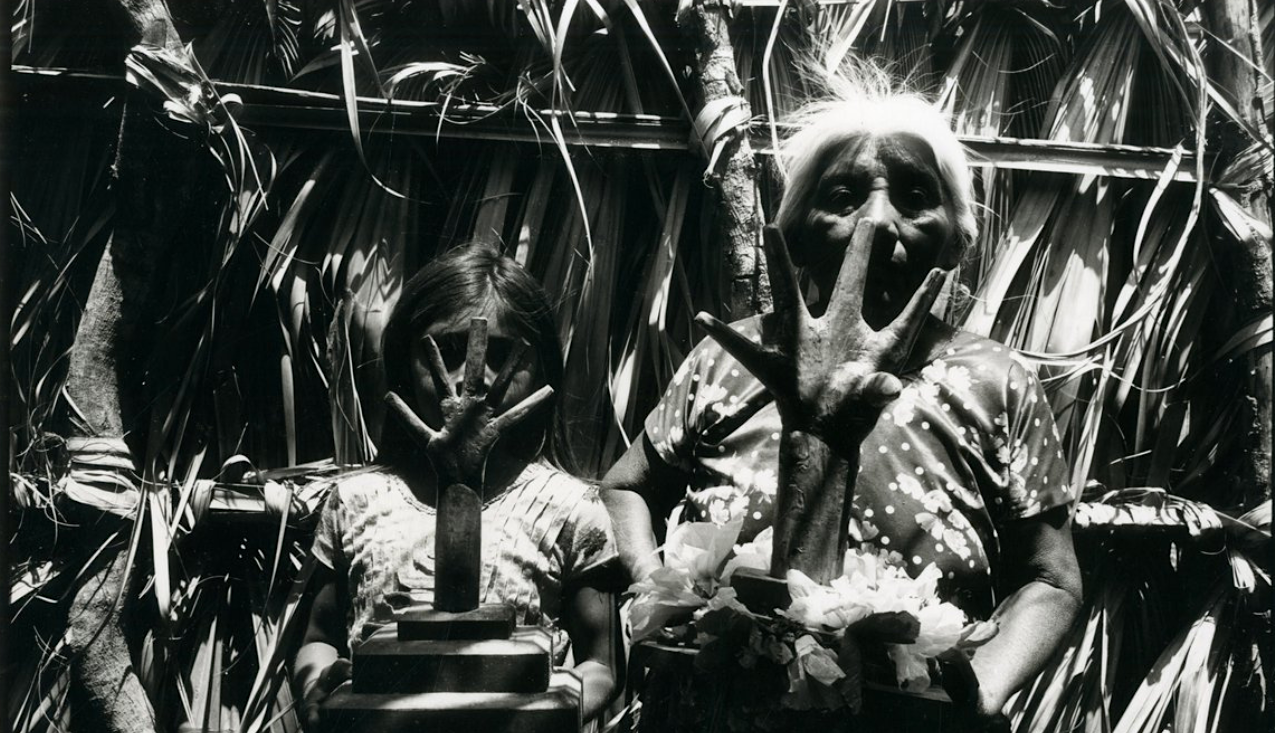
An elderly woman beside a young girl of around ten years, each holding a wrist-length sculpture of a splayed hand, each finger repeating the rhythm of the corn husk wall behind them.
A girl wearing ceremonial garments, a woman lugging a bundle of alpaca wool twice her size on her back, a woman with five lizards perched on her head arranged in a crown of liberty spikes. A woman draped in linens, her clavicle singing singularly in the center of the frame, a velvet ledge inviting the viewer to rest.
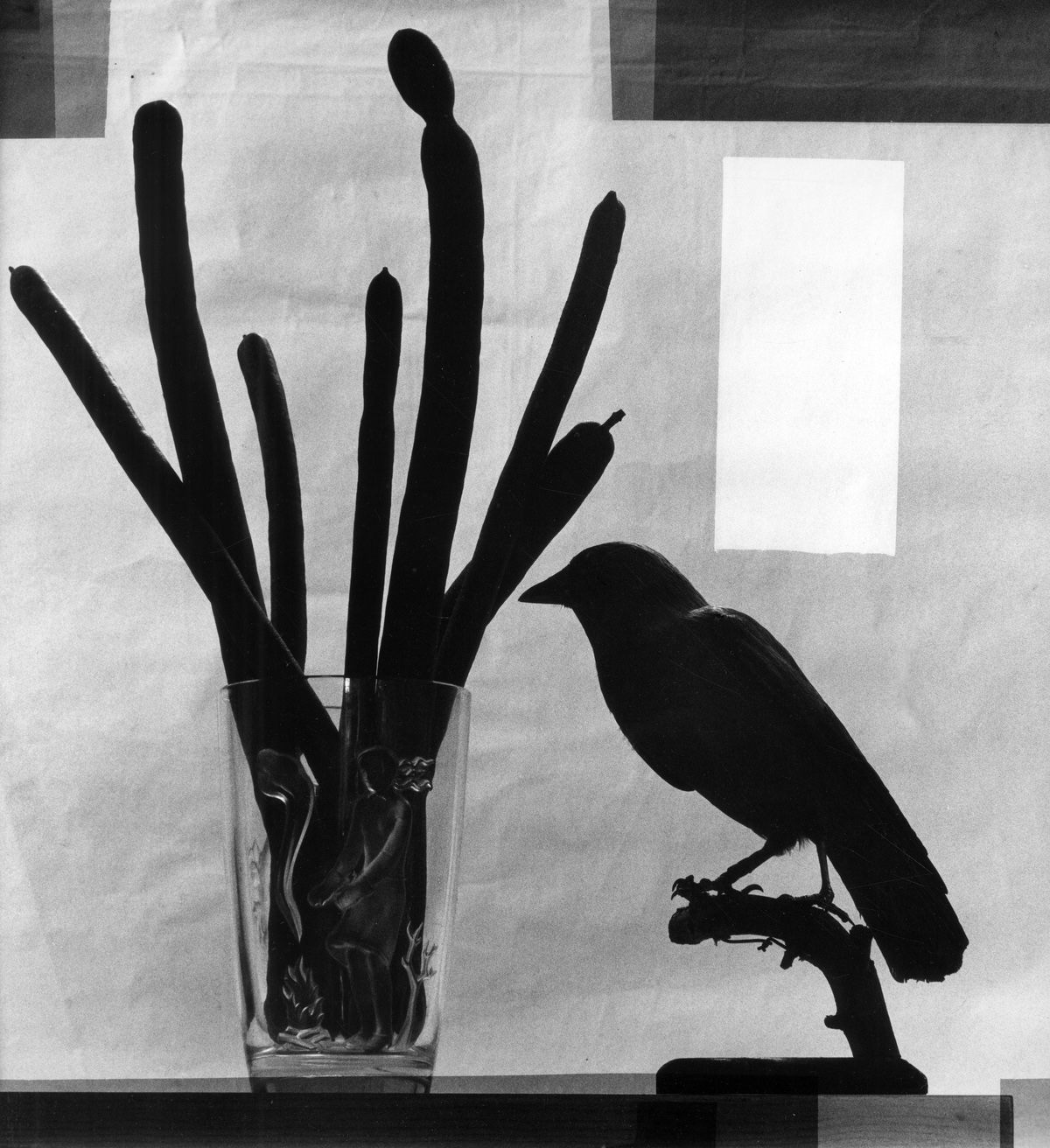
Throughout the show, we are captivated by the abstractions of women. Hardened women. Women with healing secrets. Women with a sense of sight more developed than should be humanly possible.
The more the photographers push, stretch and twist the possibilities of the lens, the closer we feel to the impossible.