
LARRY CLARK’S TULSA
Powerful, Raw Images of Addiction

In 1971, Larry Clark published Tulsa, a photography book that hit the world like an Oklahoma-sized meteor, leaving the photography and cinema worlds forever altered by its impact. Clark’s documentation of Middle America in the 1960s would go on to influence greats like Martin Scorsese and become a global legend for its raw violence, sex, and drugs, catching and shocking everyday people like the edges of fresh wounds.

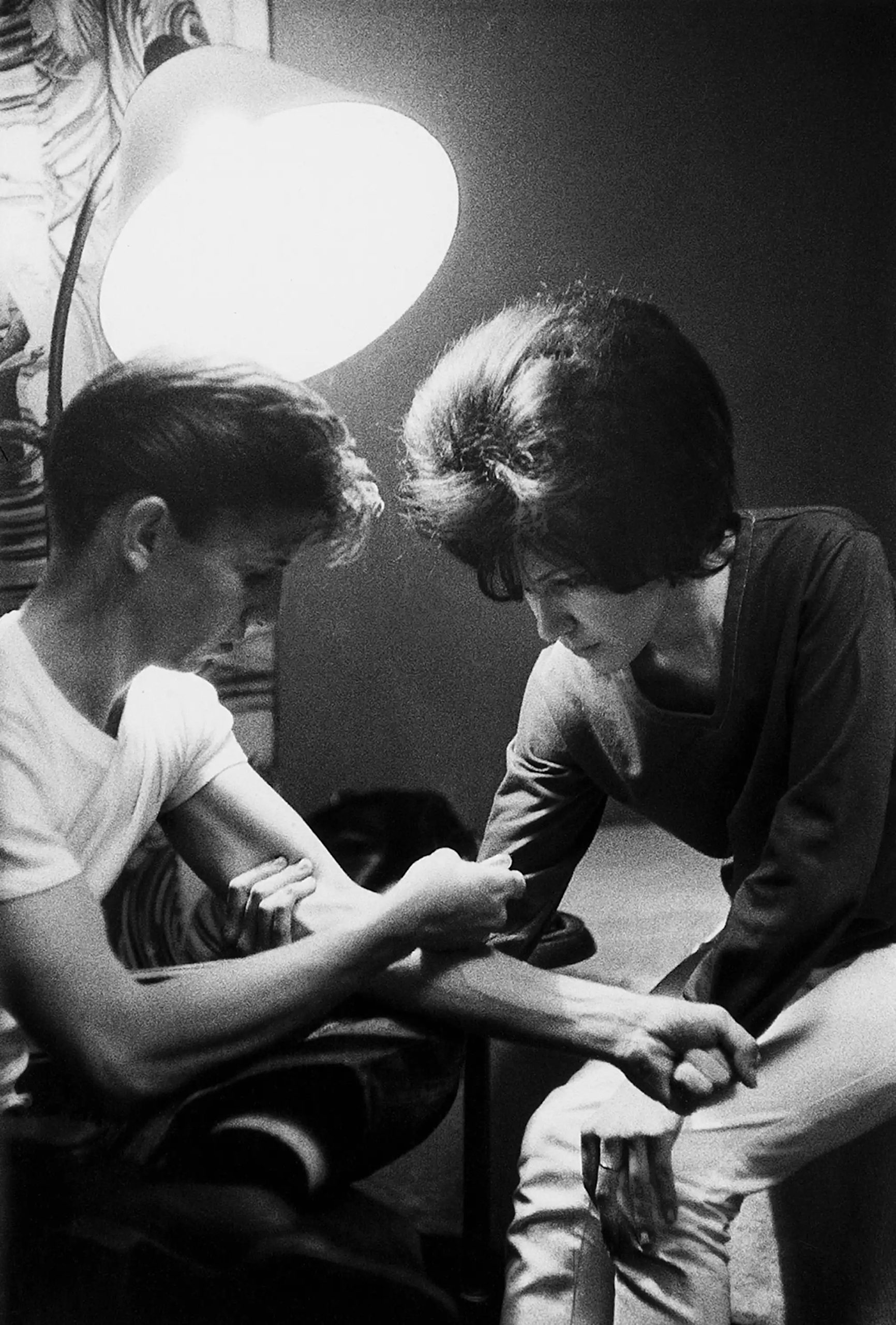
At the time of its publication, the city of Tulsa did not allow Clark to show the work publicly, lest it shine an unflattering overhead light on the seedy city, but the images were impossible to contain. Clark announced America’s dusty impropriety at a time when everyone loved Lucy and problems could be resolved in a tidy 23 minute sitcom, and there was no turning back.
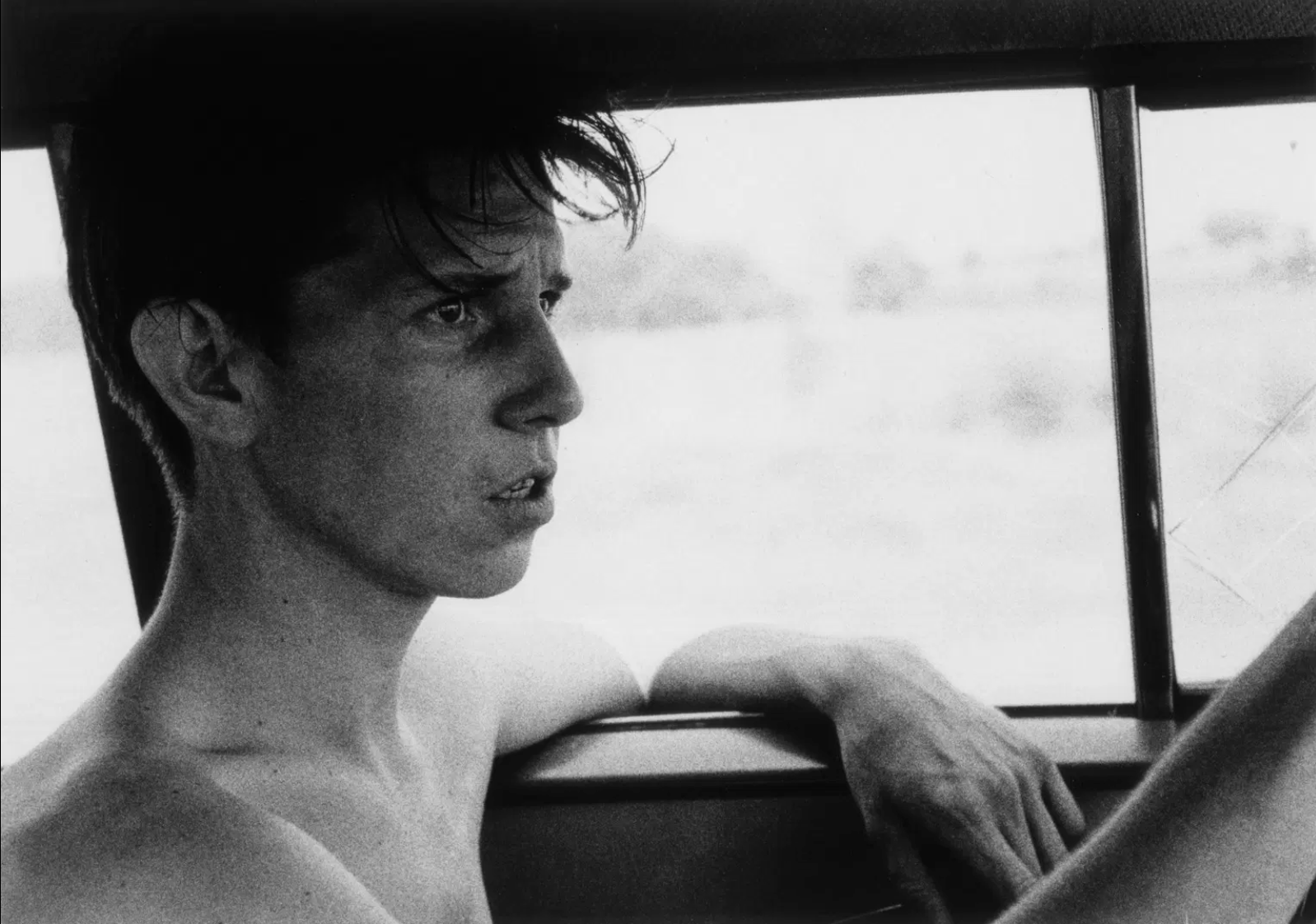
Compared to the contemporary United States, it would appear that not much has changed in the half-century since Tulsa first hit shelves. The undercurrent of corruption among government branches? Still there. The underground (and not-so-underground) drug and party scene? Still there. The hundreds of thousands of lives living on the razor’s edge of desperation? Definitely still there. The images themselves have proven themselves not only brazenly honest about their own time – they’ve become timeless, a bridge connecting the present to the past.
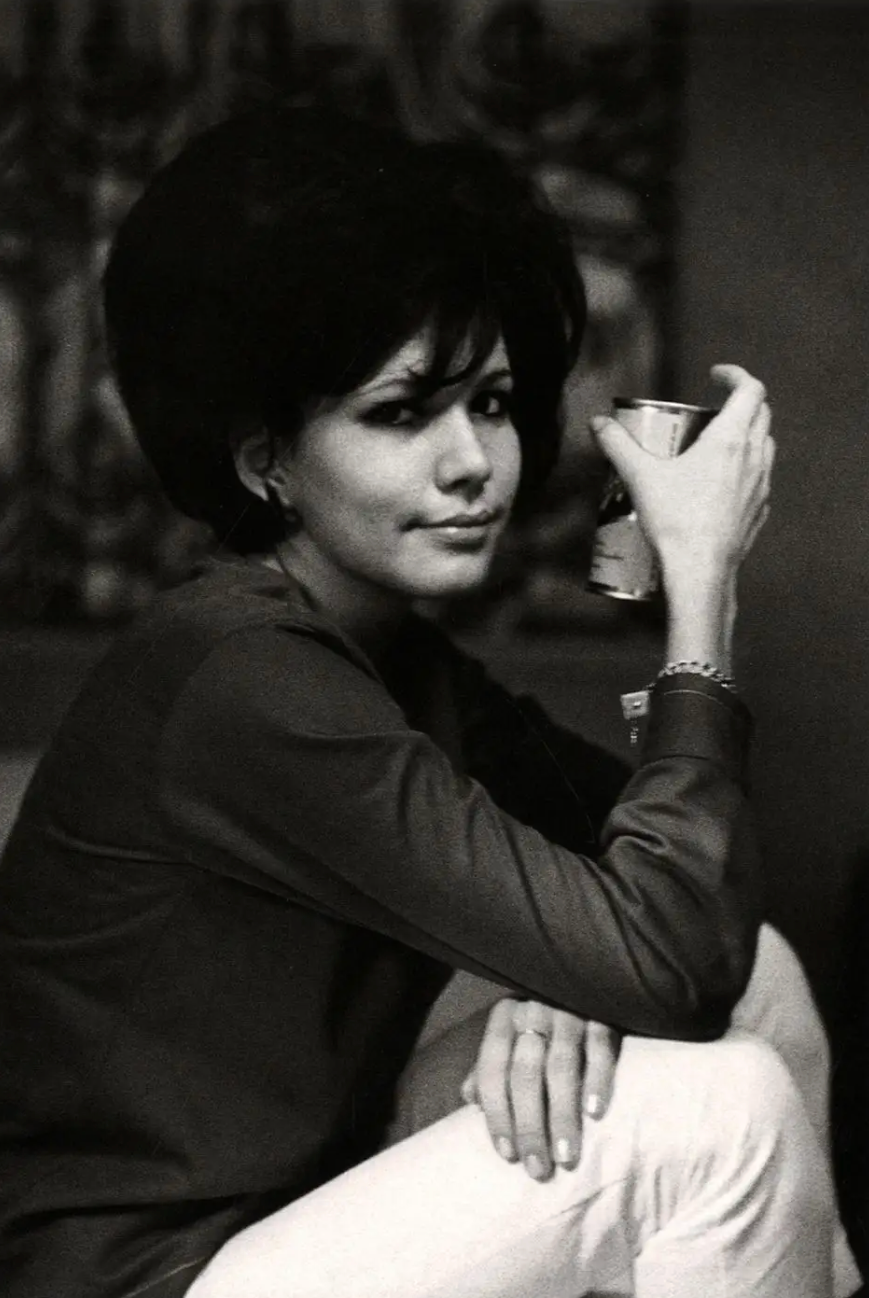
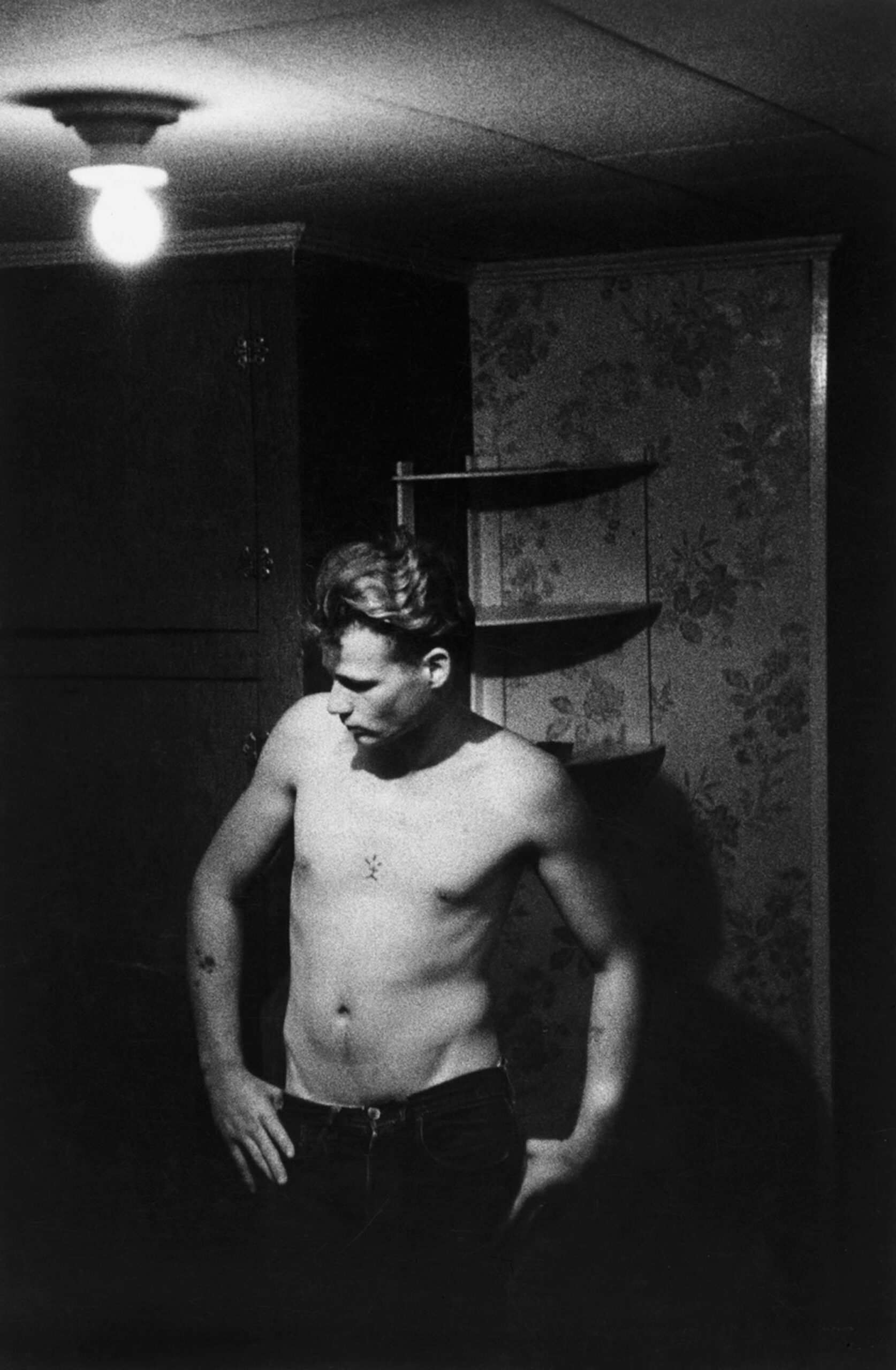
Fans of true crime documentaries will take particular interest in a book like Tulsa. This era in history ushered in the peak of serial killer activity in America, some say molded by the behavior of a generation of parents grappling with the complex aftermath of the second World War, and the photographs speak to the gritty sex, casual gun-handling and bedroom violence that paints many a backdrop in a true crime plot.
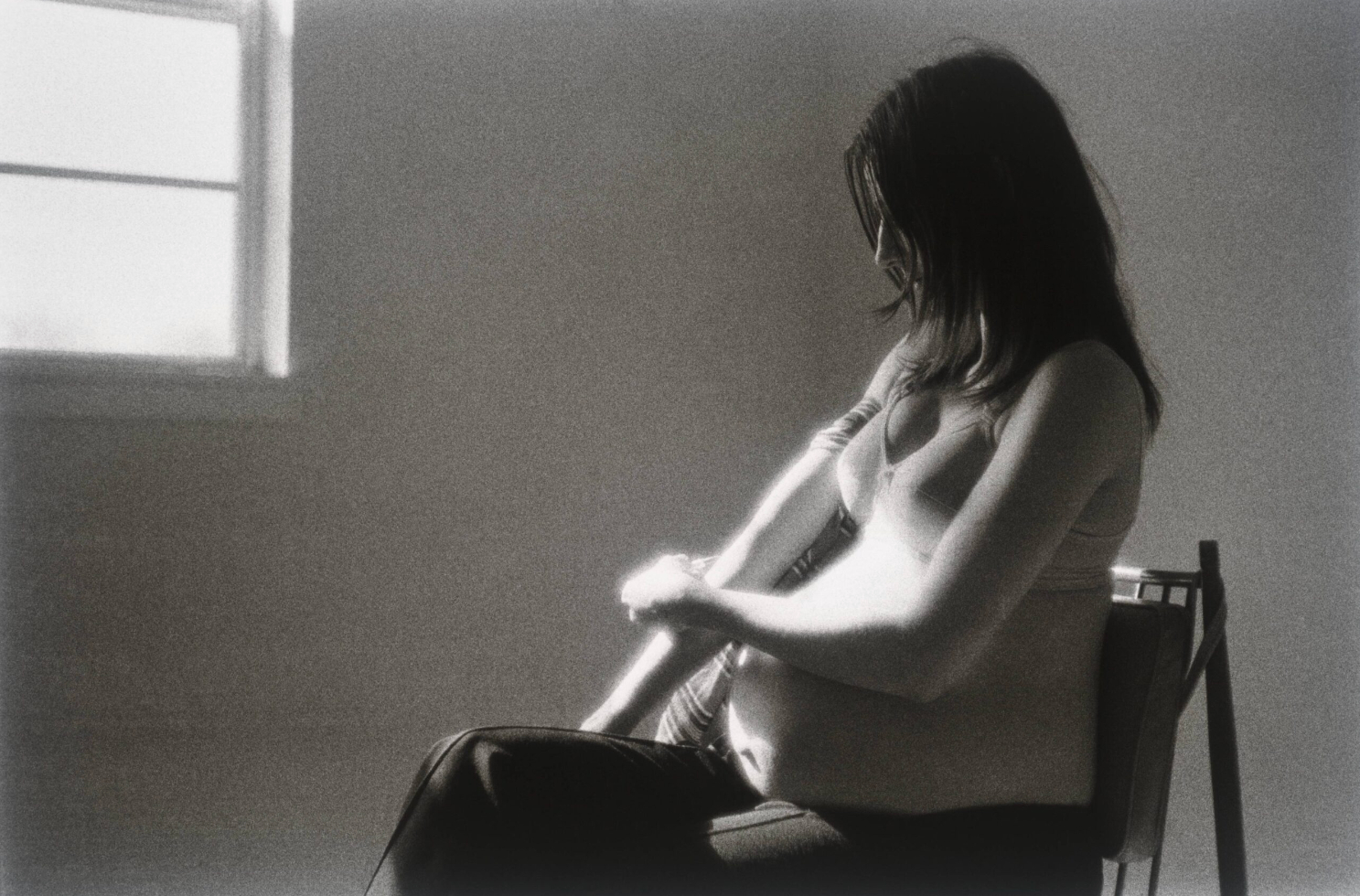
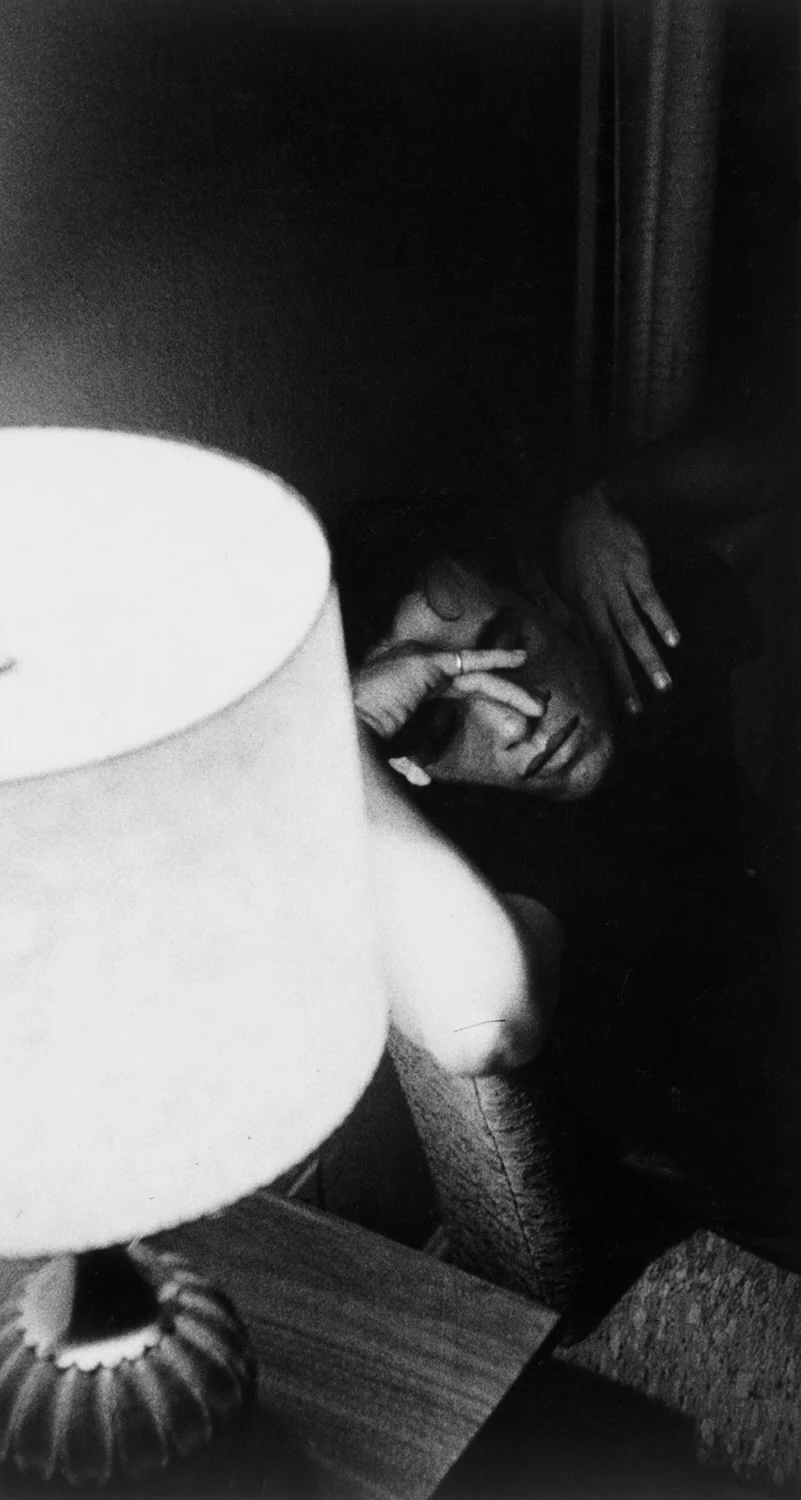
If you loved Requiem for a Dream, you will find the same heart-shattering realities of bleeding insertion points and desperate vein tappers. If you read Naked Lunch by William S. Burroughs more times than you’d like to admit, this book has your number.
The experience of thumbing through Clark’s book is not unlike finding a spot on your lip where the skin has torn away, and you just can’t seem to stop tonguing the stinging injury to see if it will ever stop bleeding.
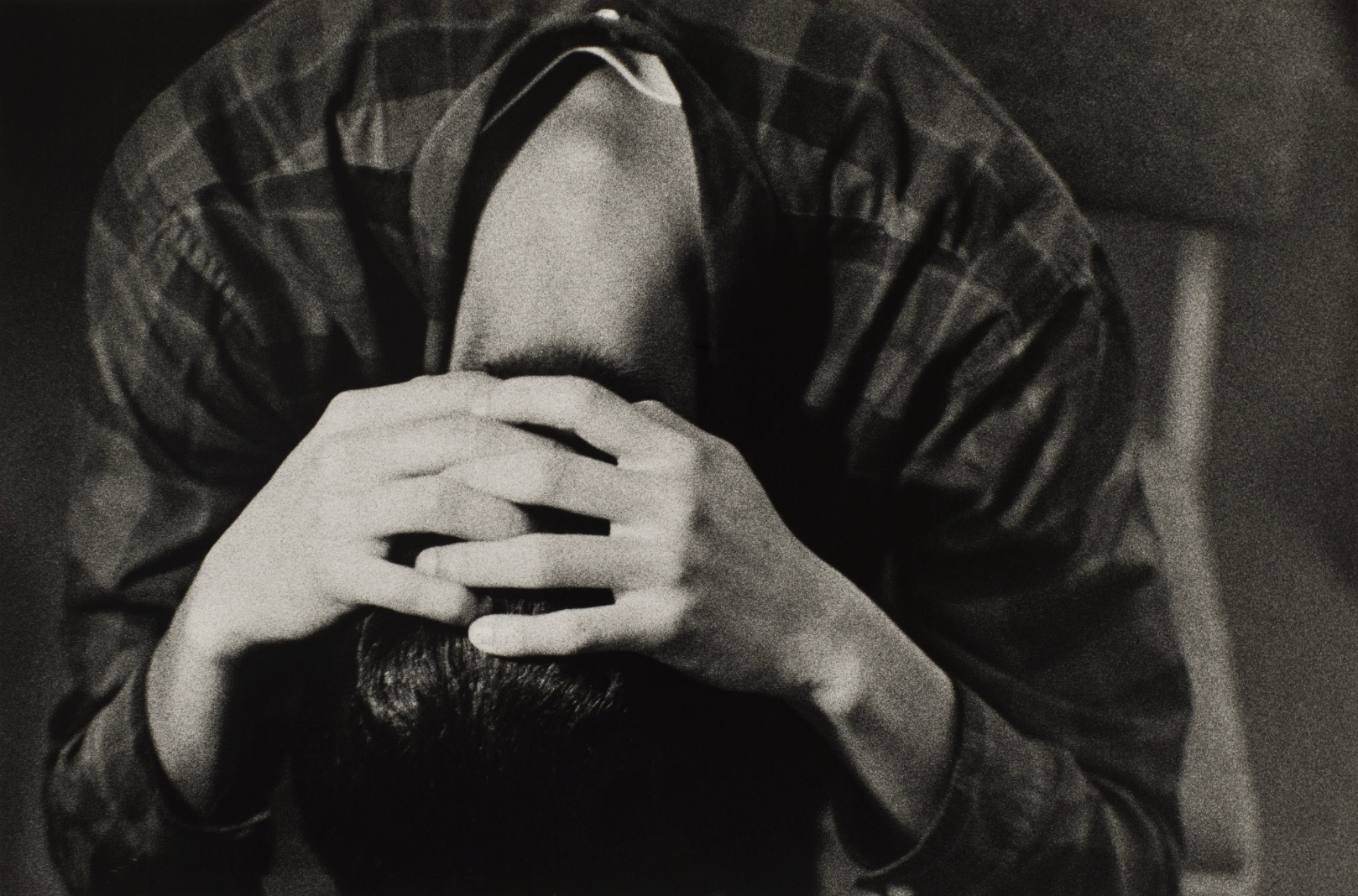
It has touched nearly every facet of American creative culture in some way, and holds a mirror to us now as if to say, “See, old friend? Neither of us has changed.”