PROVOCATIVE POLAROIDS
Helmut Newton, Robert Mapplethorpe, Warhol+
We’ve all used a Polaroid camera at one point or another, pulling the photograph away to shake it out and wait for the image to materialize into permanence. What was once a technological feat is still a noteworthy performance, sparking joy, reward, and an instant kind of magic.
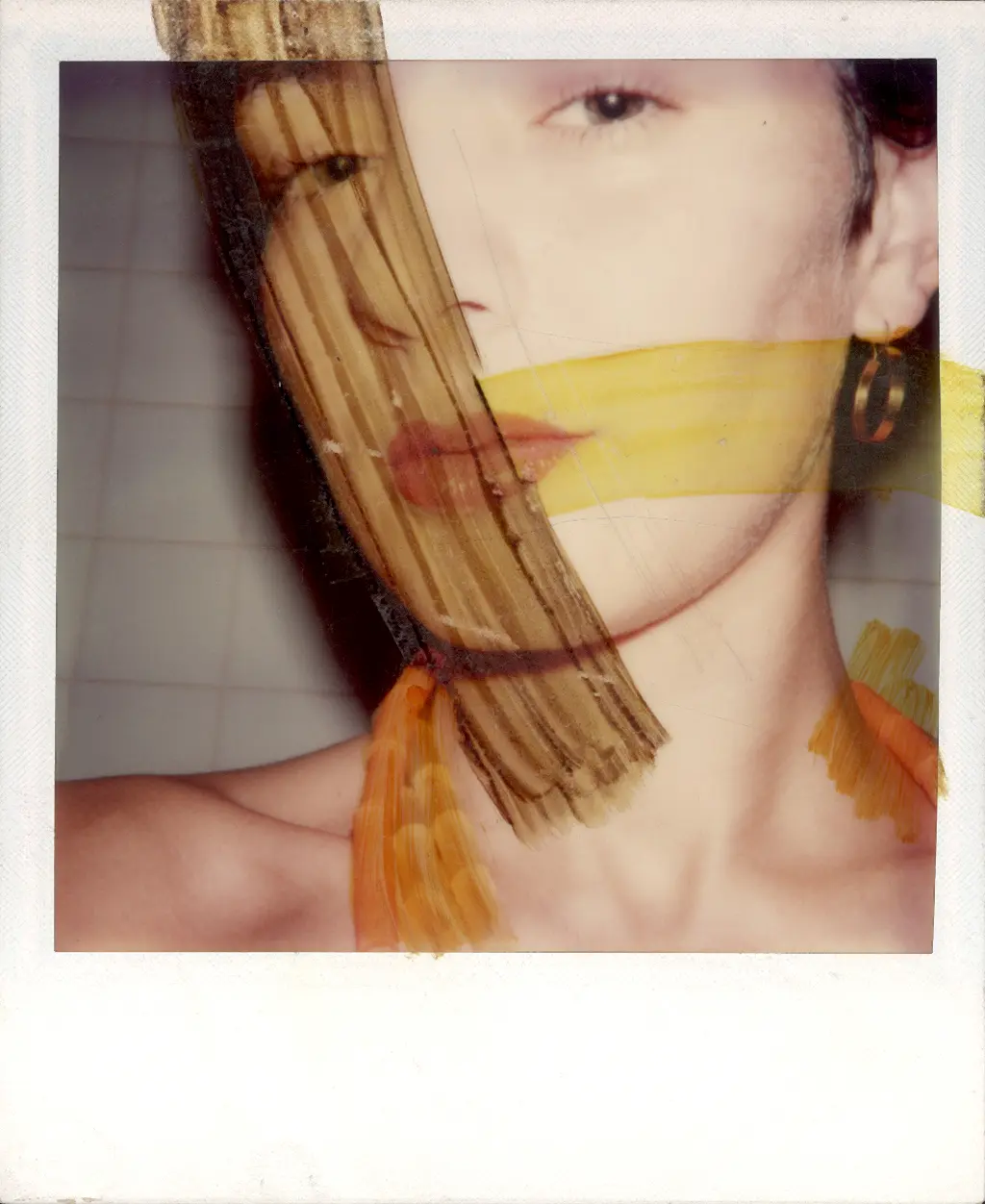
Maripol, “Selfportrait”, 1980s
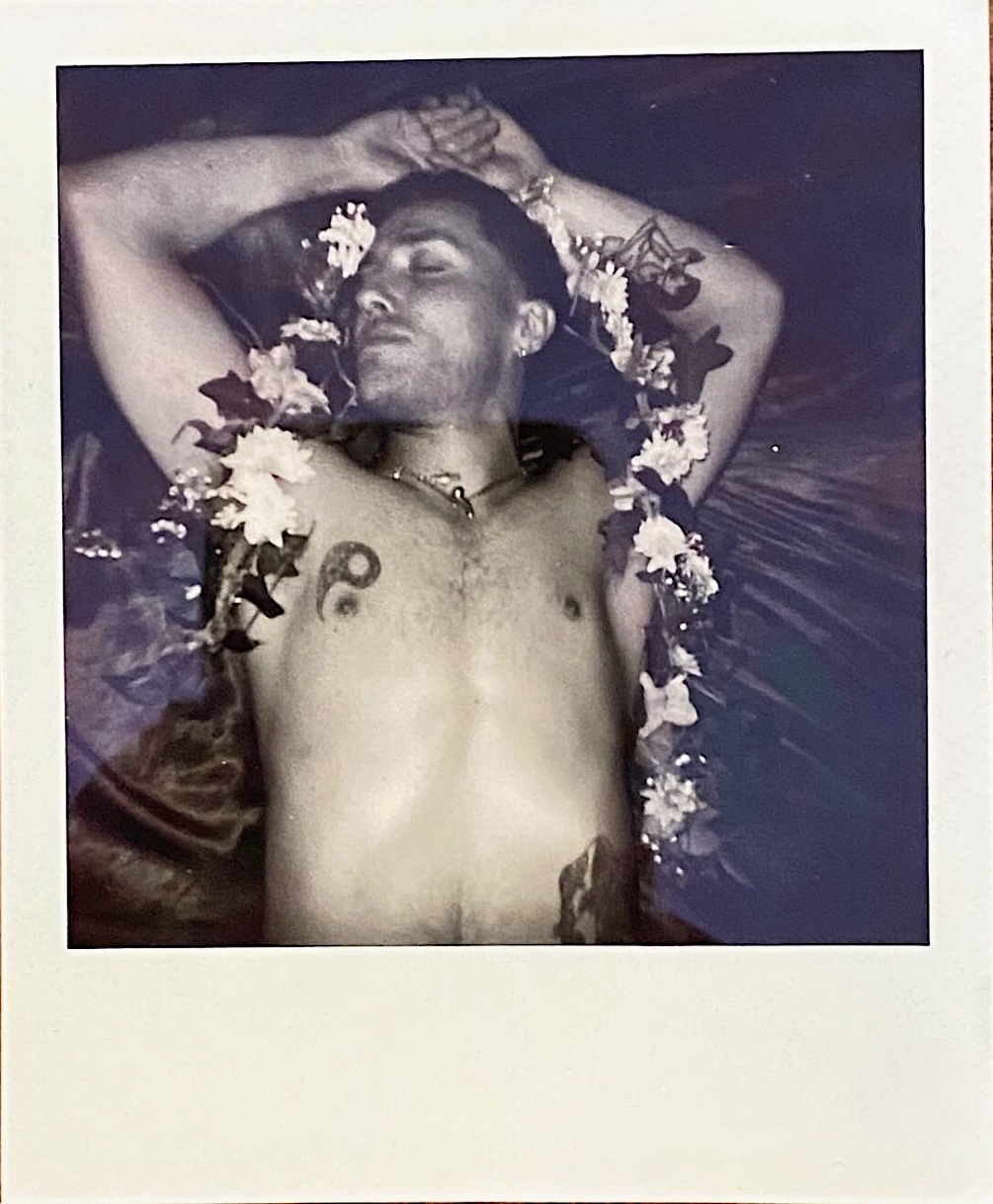
Tony Mentel, @tonymentel
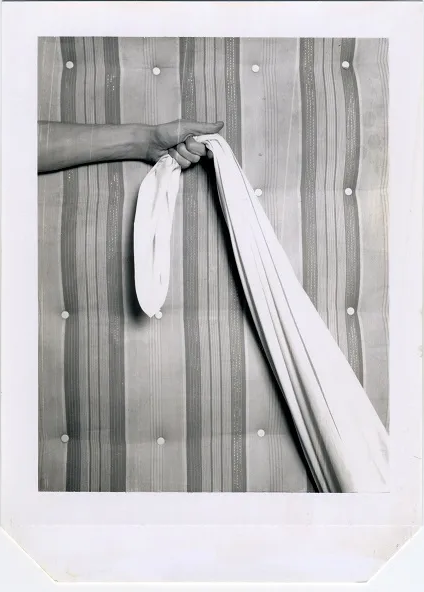
Robert Mapplethorpe “Untitled”, 1970s
Since its inception in 1937, Polaroid has gone through it all — soaring fame, a 10-year lawsuit against Kodak, noteworthy artist collaborations, brand decline and bankruptcy, and an eventual return to recognition and popularity. Regardless of Polaroid’s financial state, the company’s legacy has remained intact over the years, most likely due to the relationship the camera company formed with artists whose own legacies have long persisted. In the late 60s, Polaroid enlisted artists such as David Hockney, Helmut Newton, Ansel Adams, and Andy Warhol to test their cameras, providing free equipment and studio space.
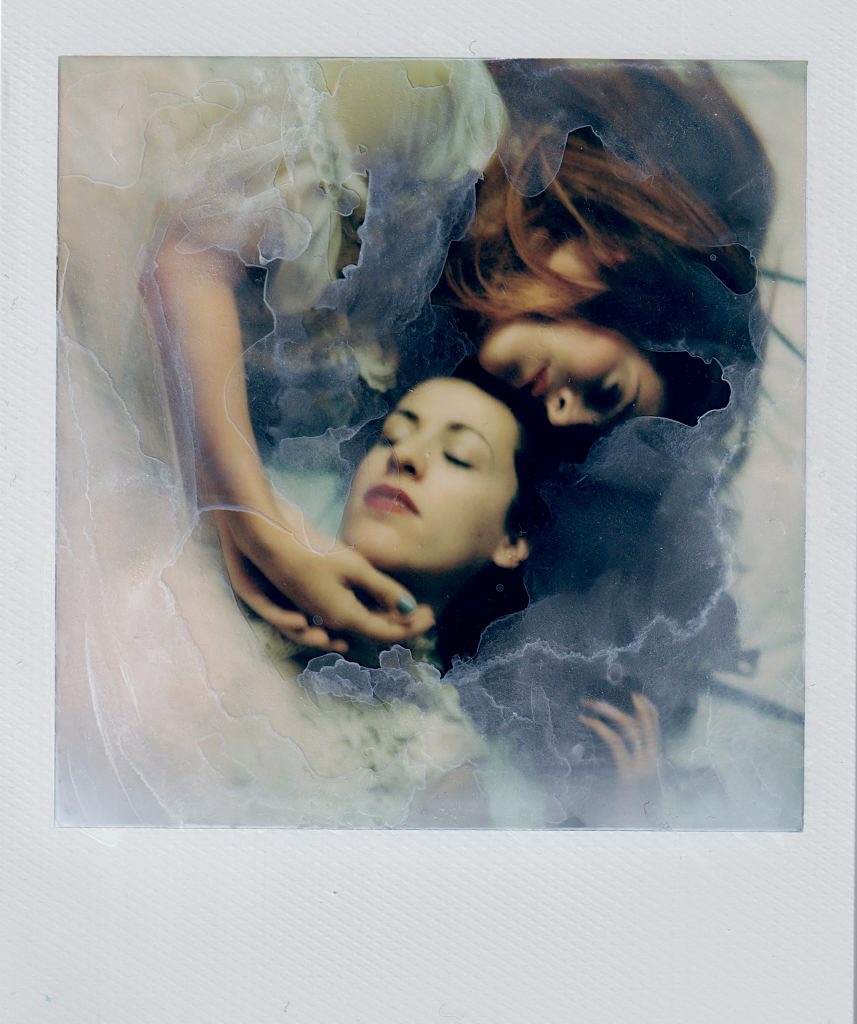
Alessia Amati “Dreams”, 2021
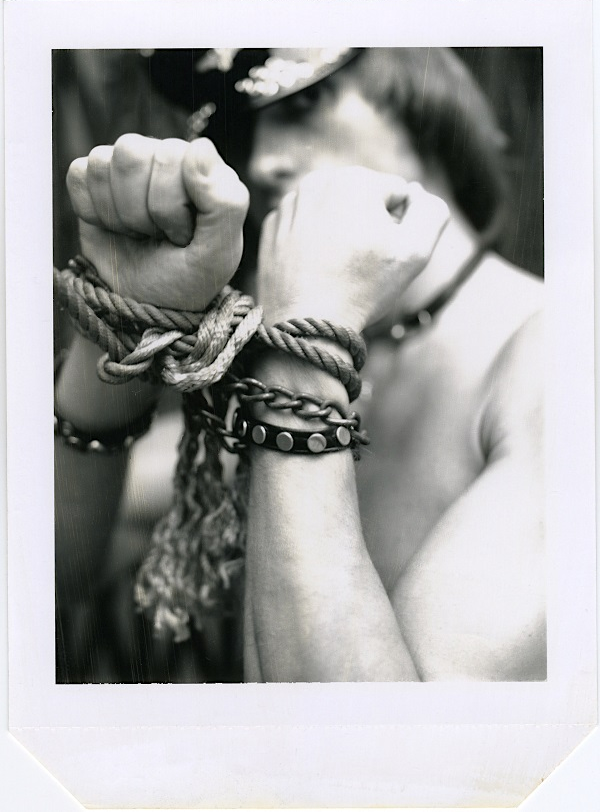
Robert Mapplethorpe “Untitled”, 1970s
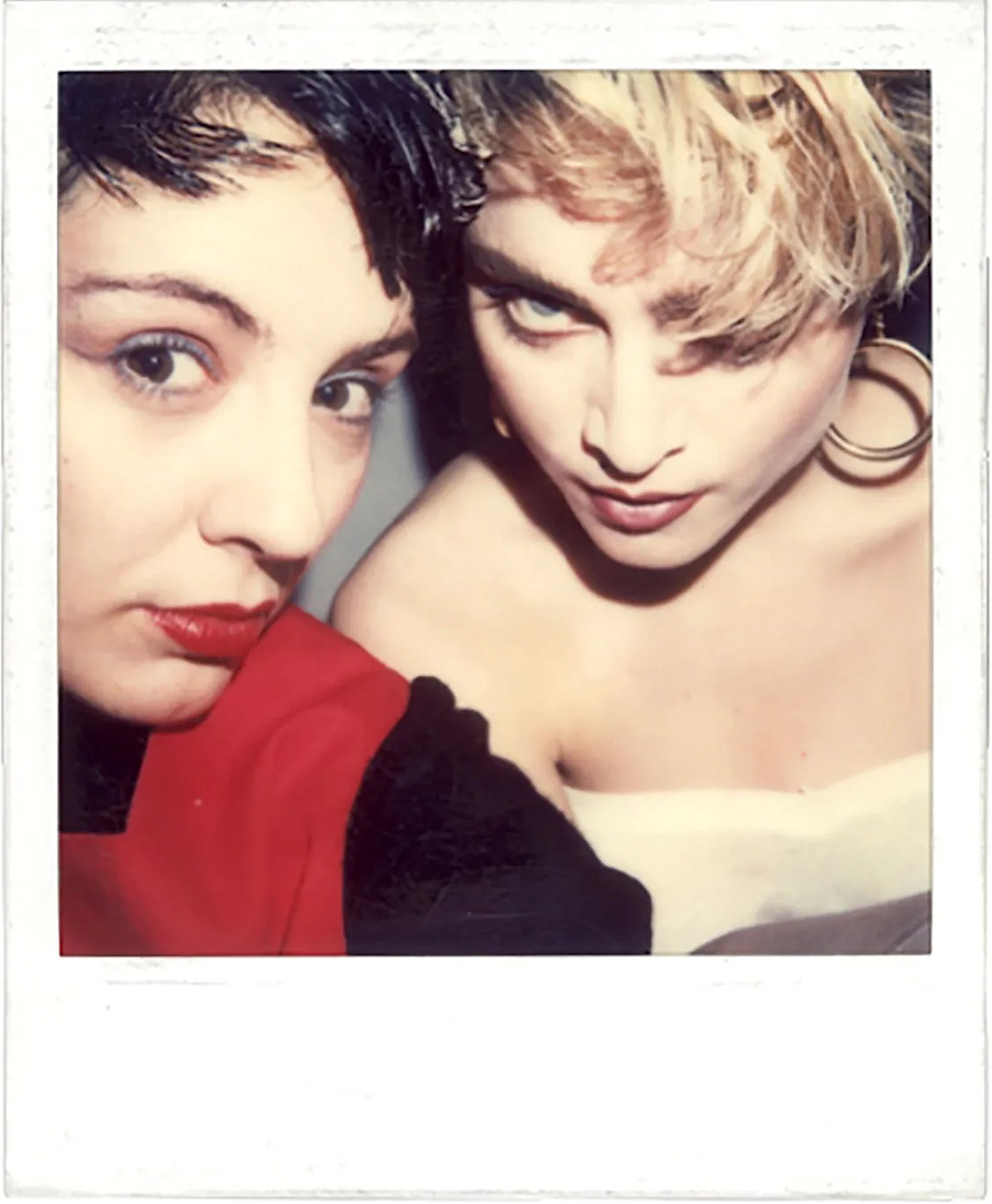
Maripol “Madonna and Maripol” Selfie, 1980s
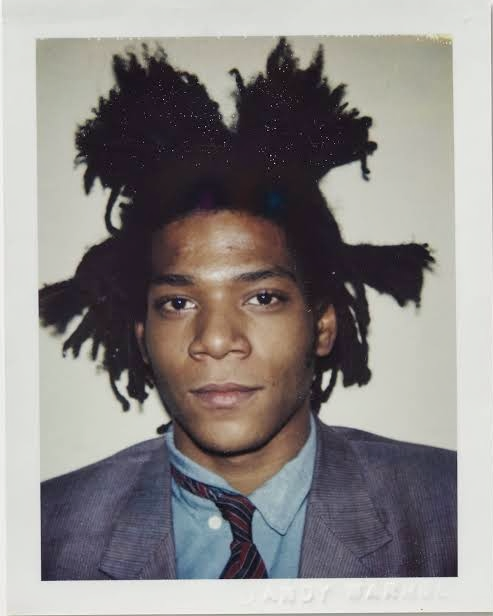
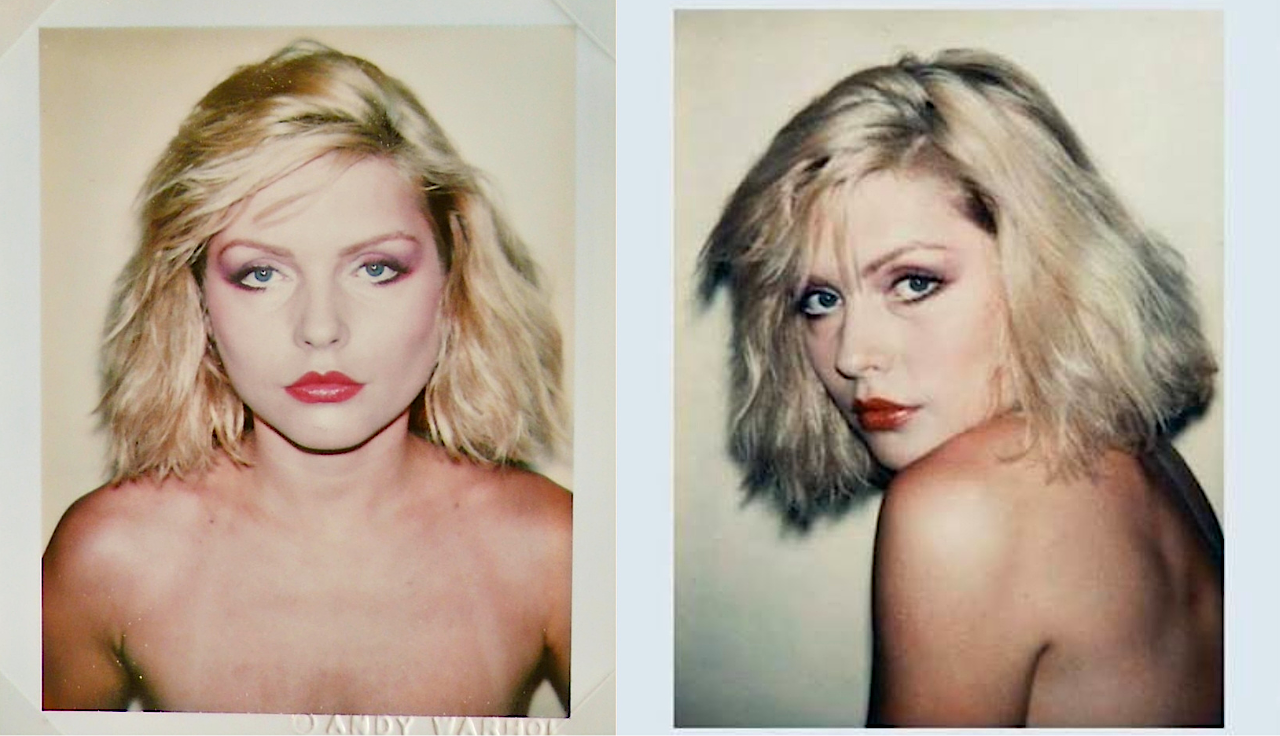
It was during this time that Warhol acquired a Big Shot camera, crafted specifically for portraiture, which he would use up until his death in 1987. Over the years, he captured monumental artists and figures, including Dolly Parton, Jean-Michel Basquiat, Debbie Harry, Liza Minelli, and most notably, self-portraits of himself under the mop of his bleached emblematic “fright wig”. The images are simple — a single figure cast against a white backdrop — but they live on permanently in hallowed archives and exhibitions.
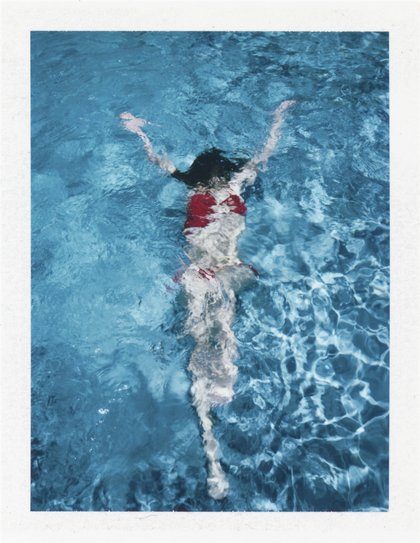
Charles Johnstone “Lea” South Salem, New York 2021. Copyright Charles Johnstone
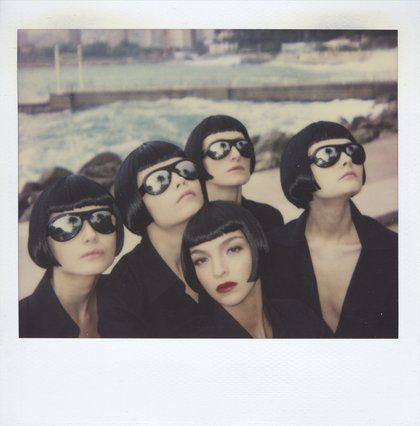
Helmut Newton, Italian Vogue, Monte Carlo, 2003. Copyright Helmut Newton Foundation
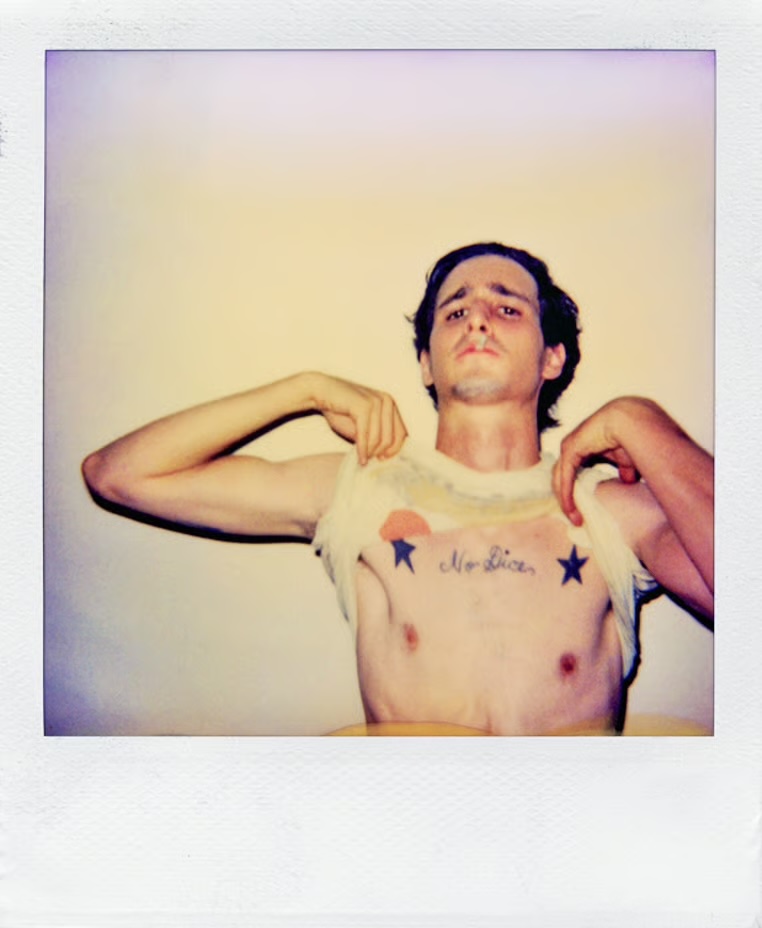
Ryan McGinley. Photo of James Ransone, 2000
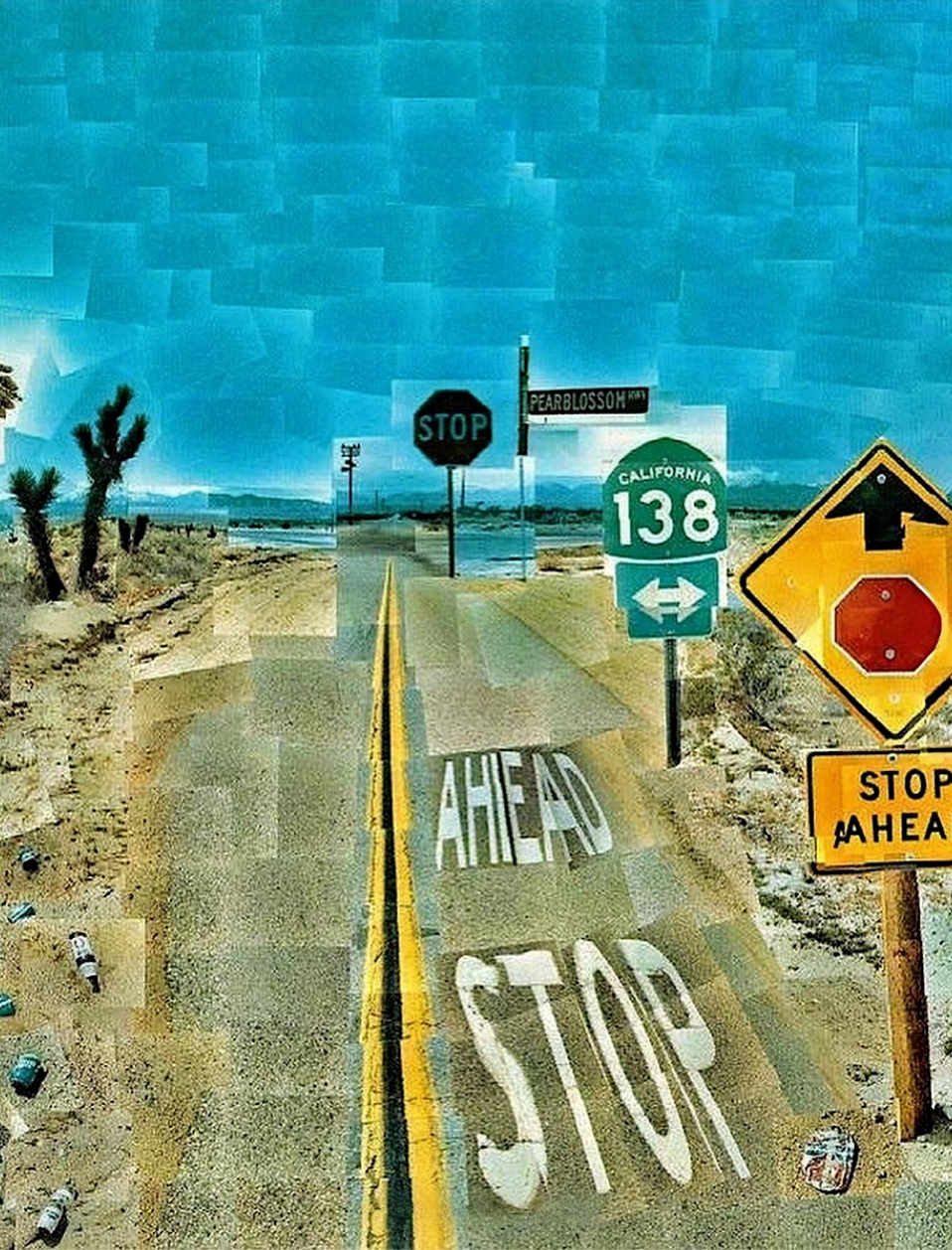
David Hockney was first and foremost a painter, recognized for his vivid and color-packed paintings of LA poolsides and stand-still figures. However, Hockney was also a stage designer and a photographer, lesser-known for what he called his “joiner” method of collage photography. In his 1986 photo collage, Pearblossom Highway, Hockney captured around 800 Polaroid and print photos to create a single mammoth image of a desert crossroads in the Mojave Desert. Stop signs, Joshua trees, and discarded beer bottles are all captured individually and up close to create a greater image that feels both distant and within reach in blocks of yellow, blue, and red.
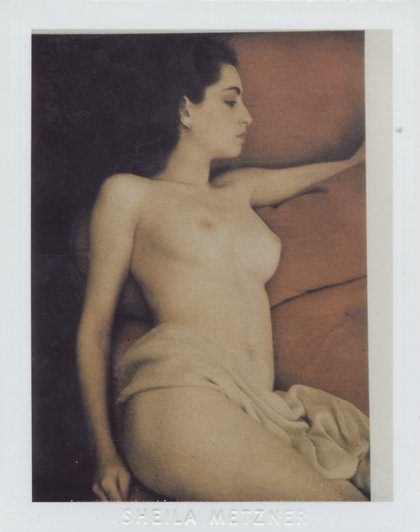
Sheila Metzner “Michal, Mermaid”, 1980. Copyright Sheila Metzner
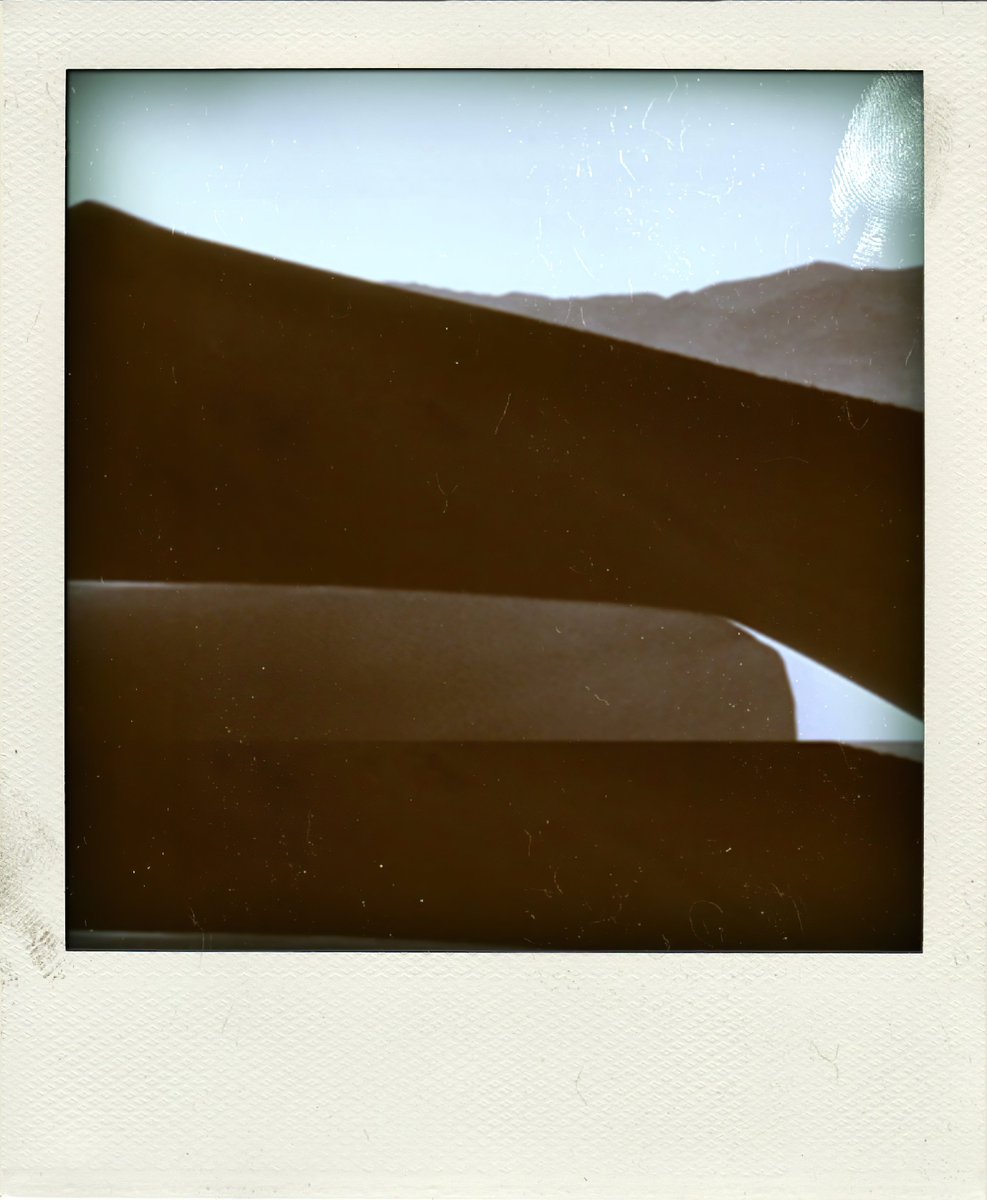
Ansel Adams testing the POLAROID SX 70 in 1972
The simplicity of the Polaroid — a retro photograph in a preciously small box — speaks to the way people are reclaiming physical culture in a chronically online world. In the past and especially now, the Polaroid instantly immortalizes friends, lovers, and fellow artists in the safe spaces we create for ourselves.
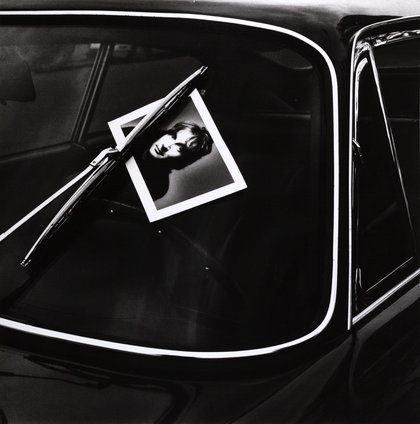
Jeanloup Sieff “Self-portrait on car”, 1977. Polaroid T665. Copyright Jeanloup Sieff