WEEGEE’S DARK VIEW
Society Of The Spectacle
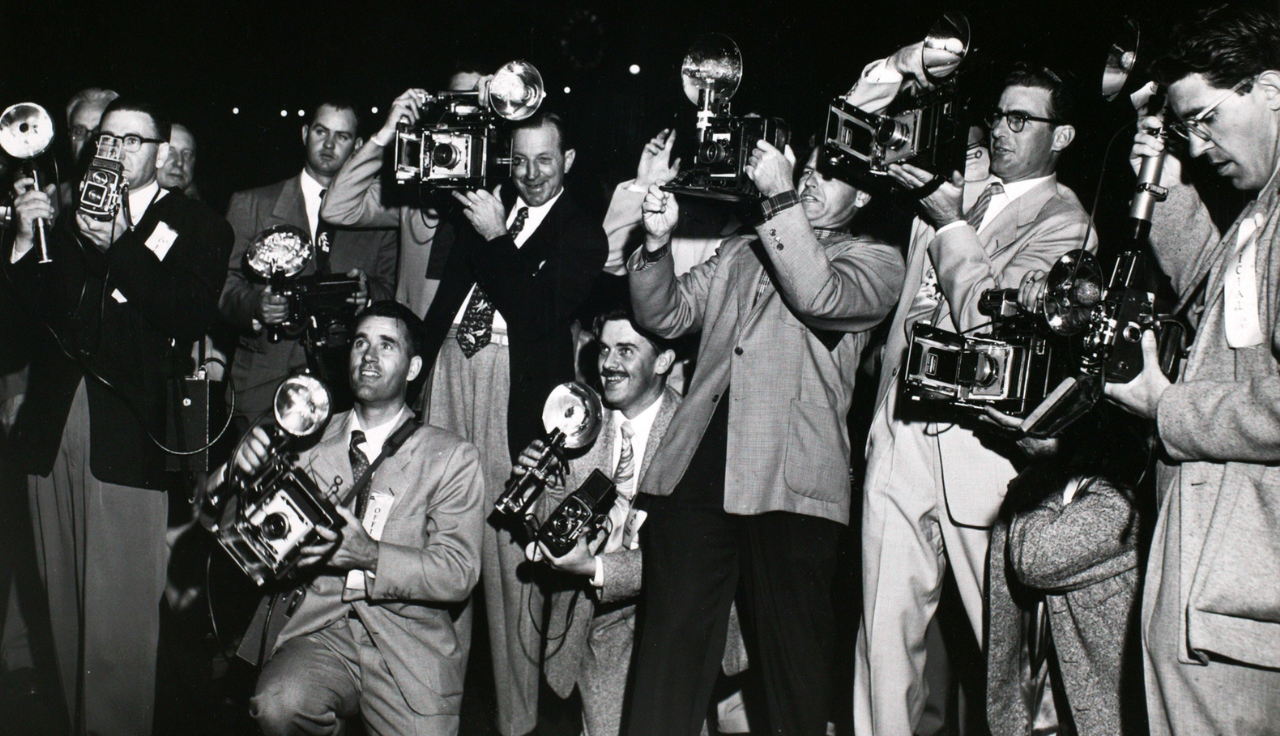
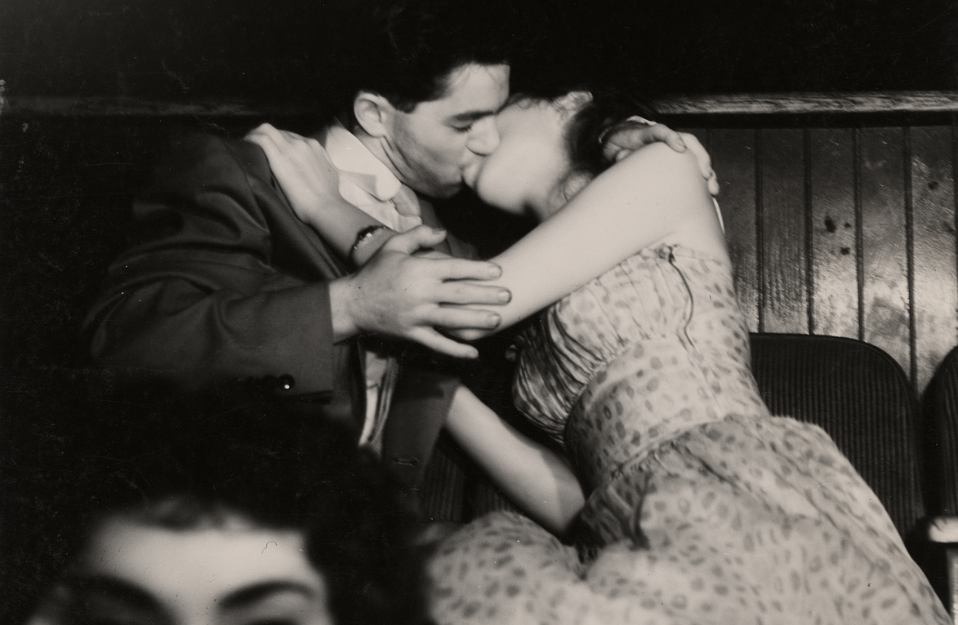
Regardless of your location or your level of interest in the history of photography, there is a good chance you have come across a Weegee photograph in your lifetime.
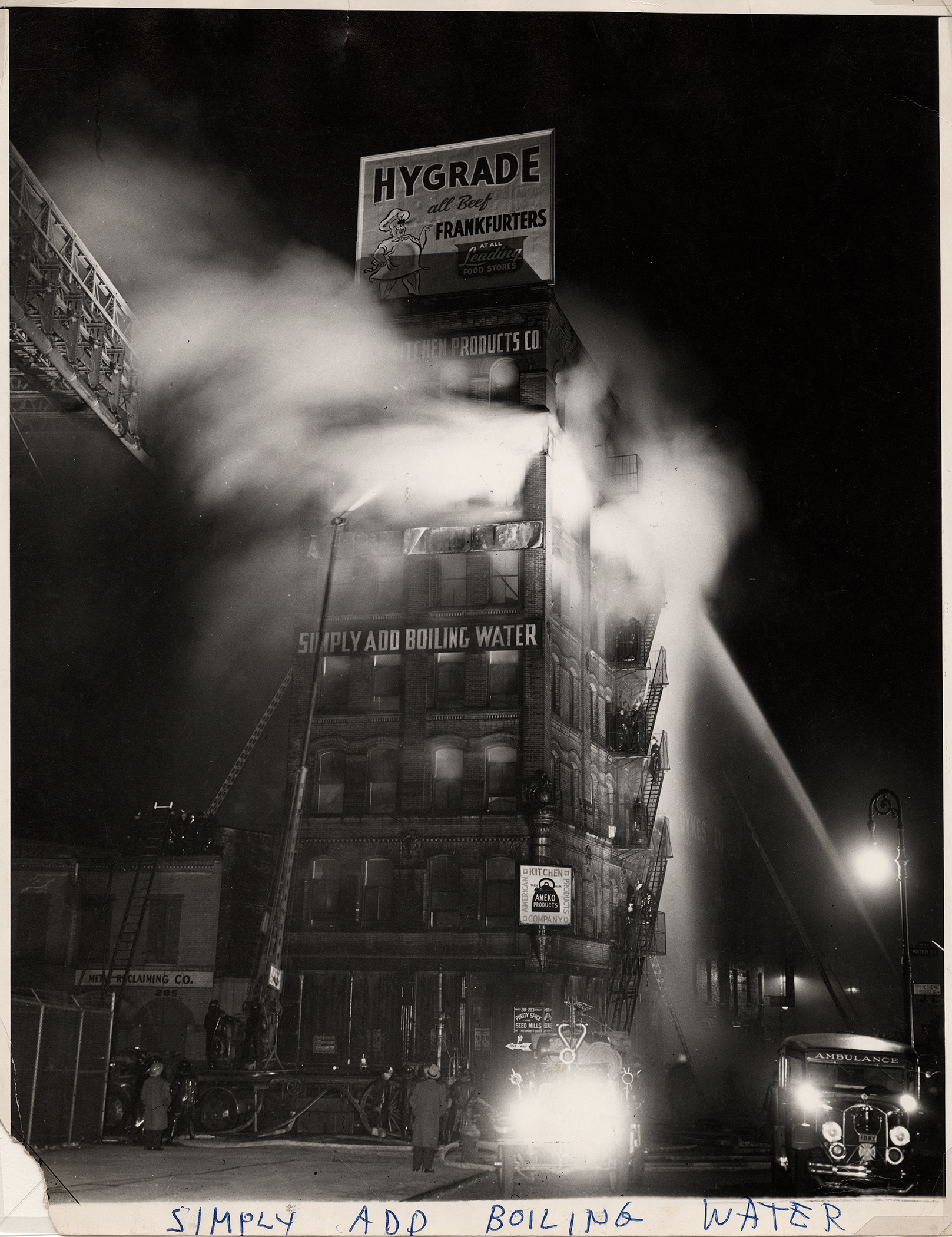
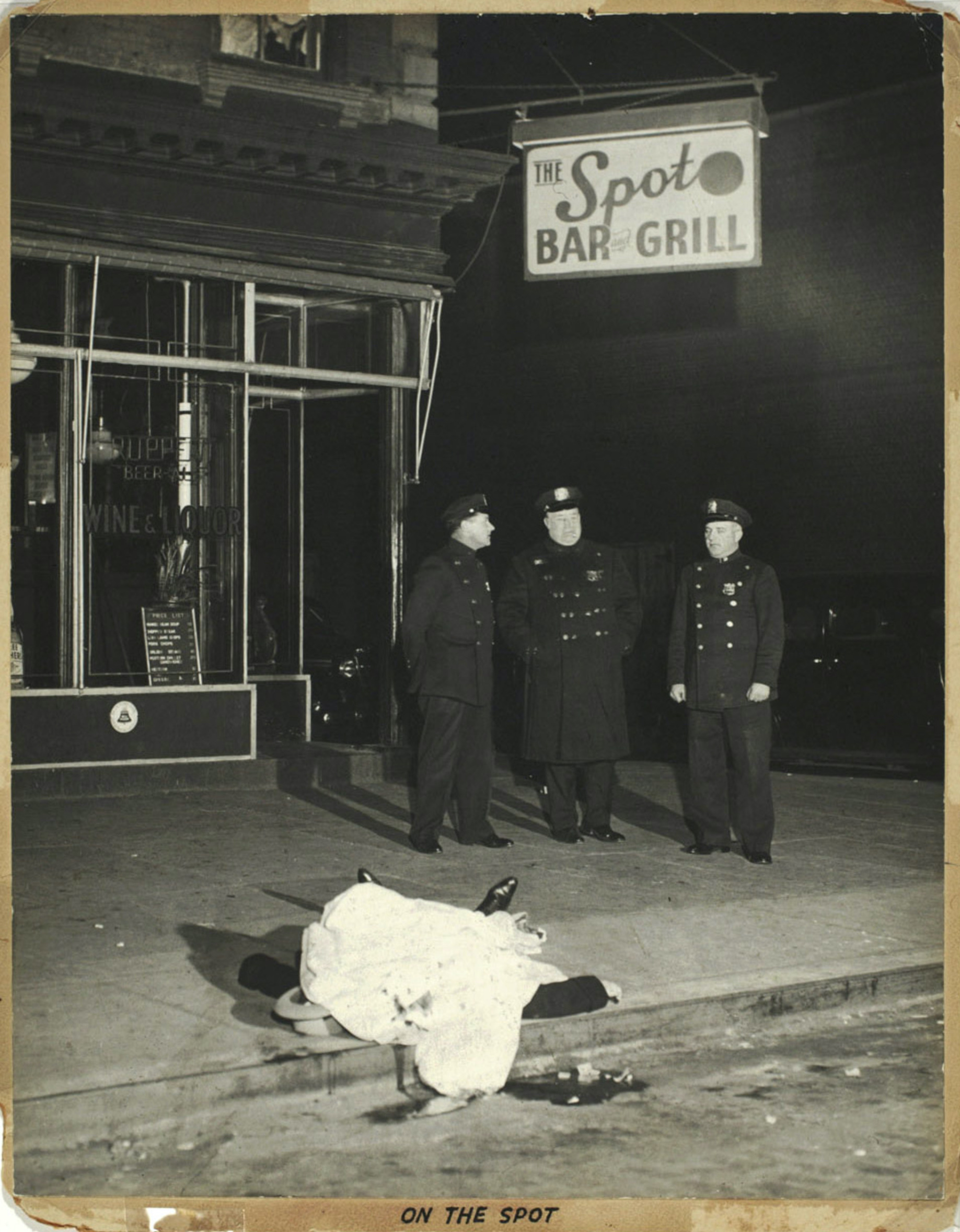
Known for his sharp and unique black and white images of crime scenes and street photography in the 1930s and 1940s, Weegee is without a doubt one of the most clever and unparalleled street photographers in modern history. No one has managed to capture society quite like him, and thanks to his various methods (one of which was installing a police radio in his car) Weegee managed to always be the first to arrive at a crime scene, often even before the police.
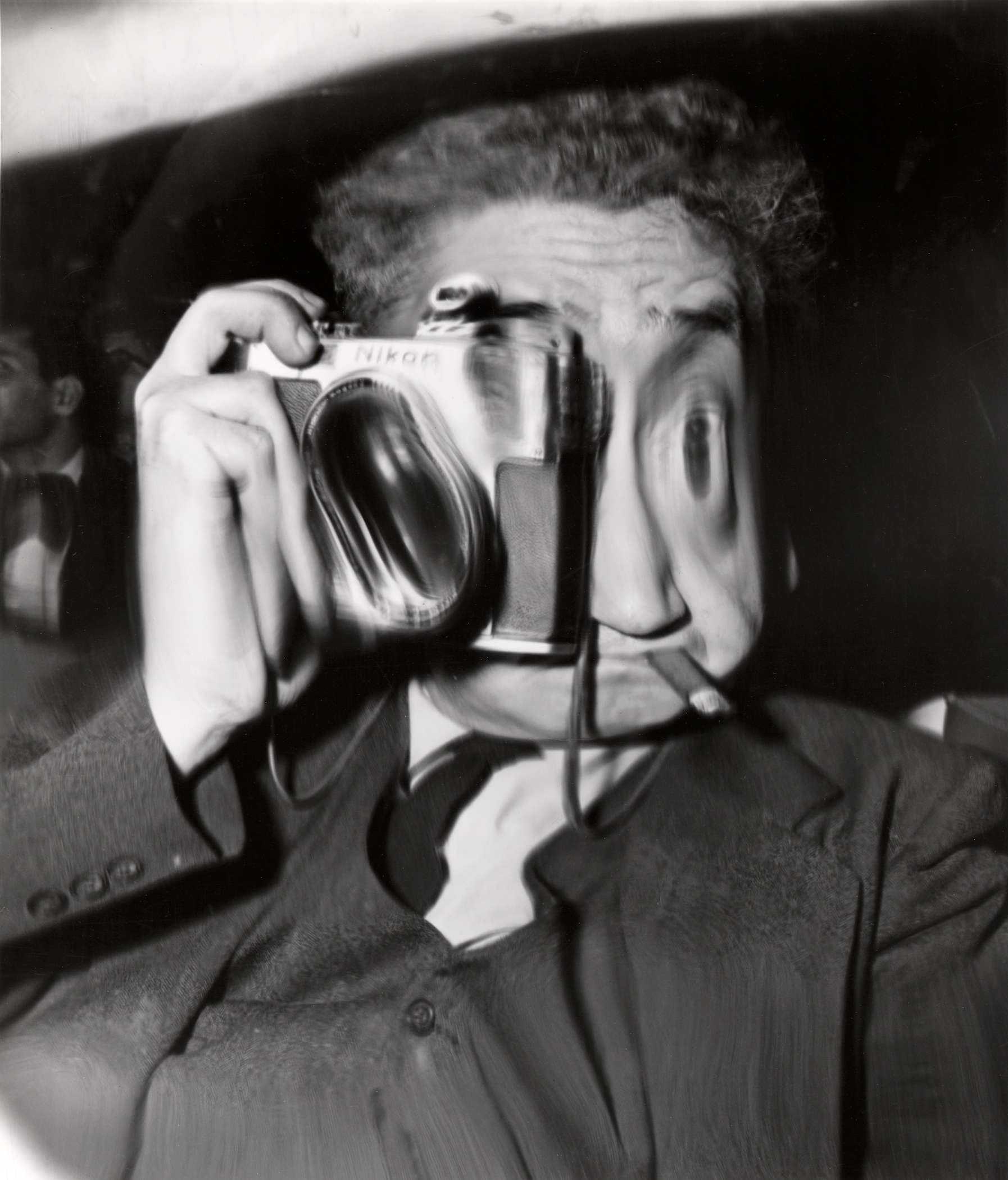
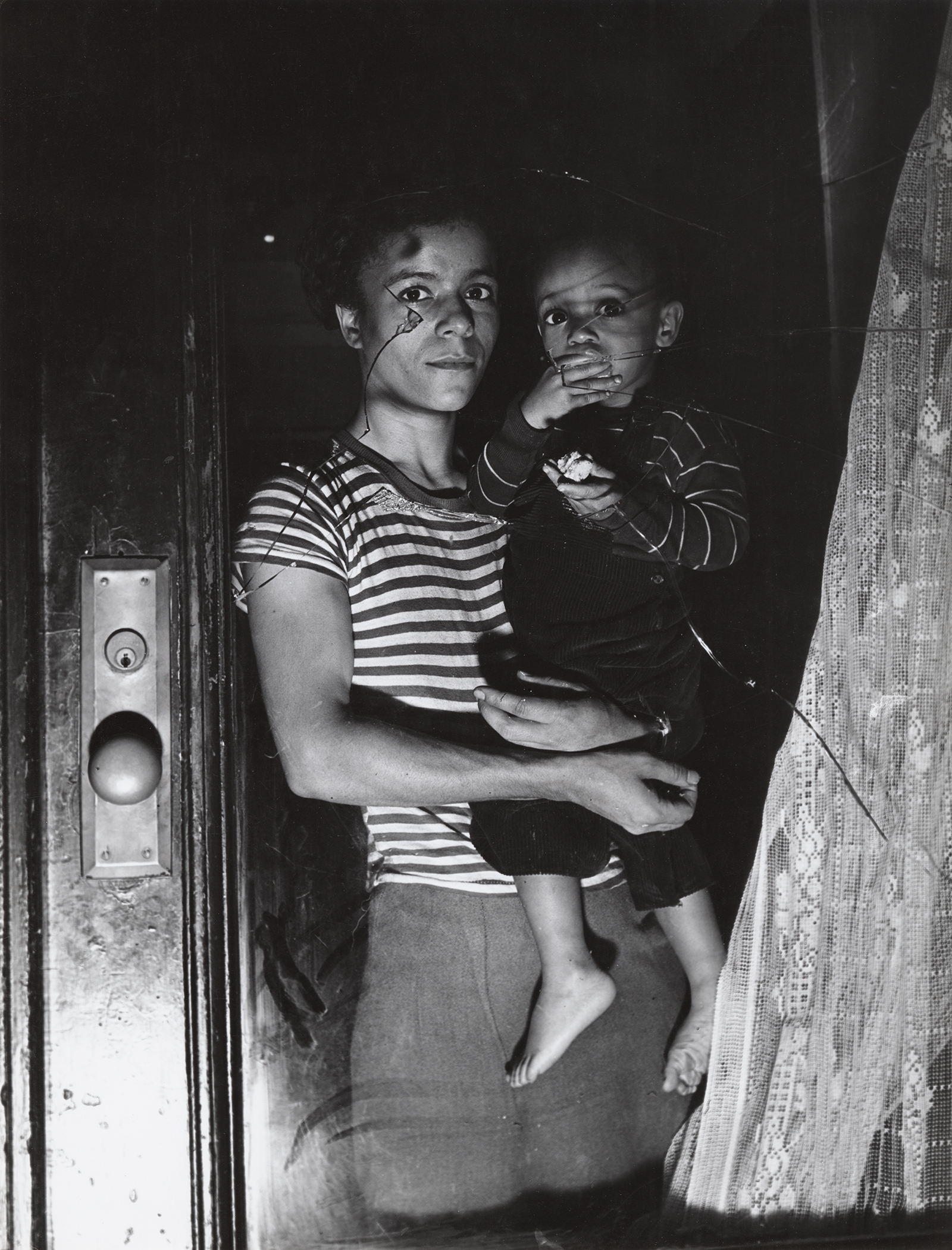
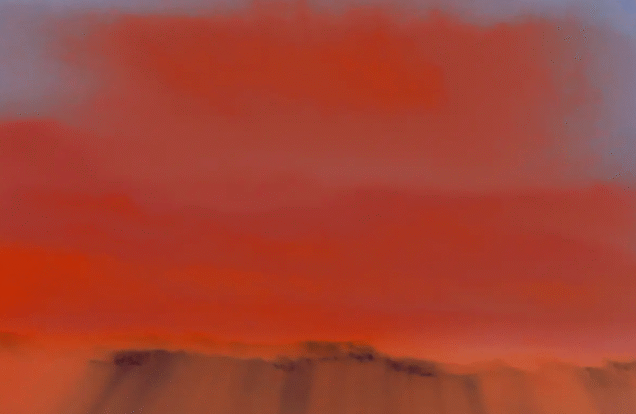
Weegee’s photos span everything from impactful images of crime scenes and bystanders, to pictures of Hollywood celebrities and premieres, to the abstract, experimental images he was taking towards the end of his life. There is one common denominator in Weegee’s life work, and it is society’s hunger for spectacle.
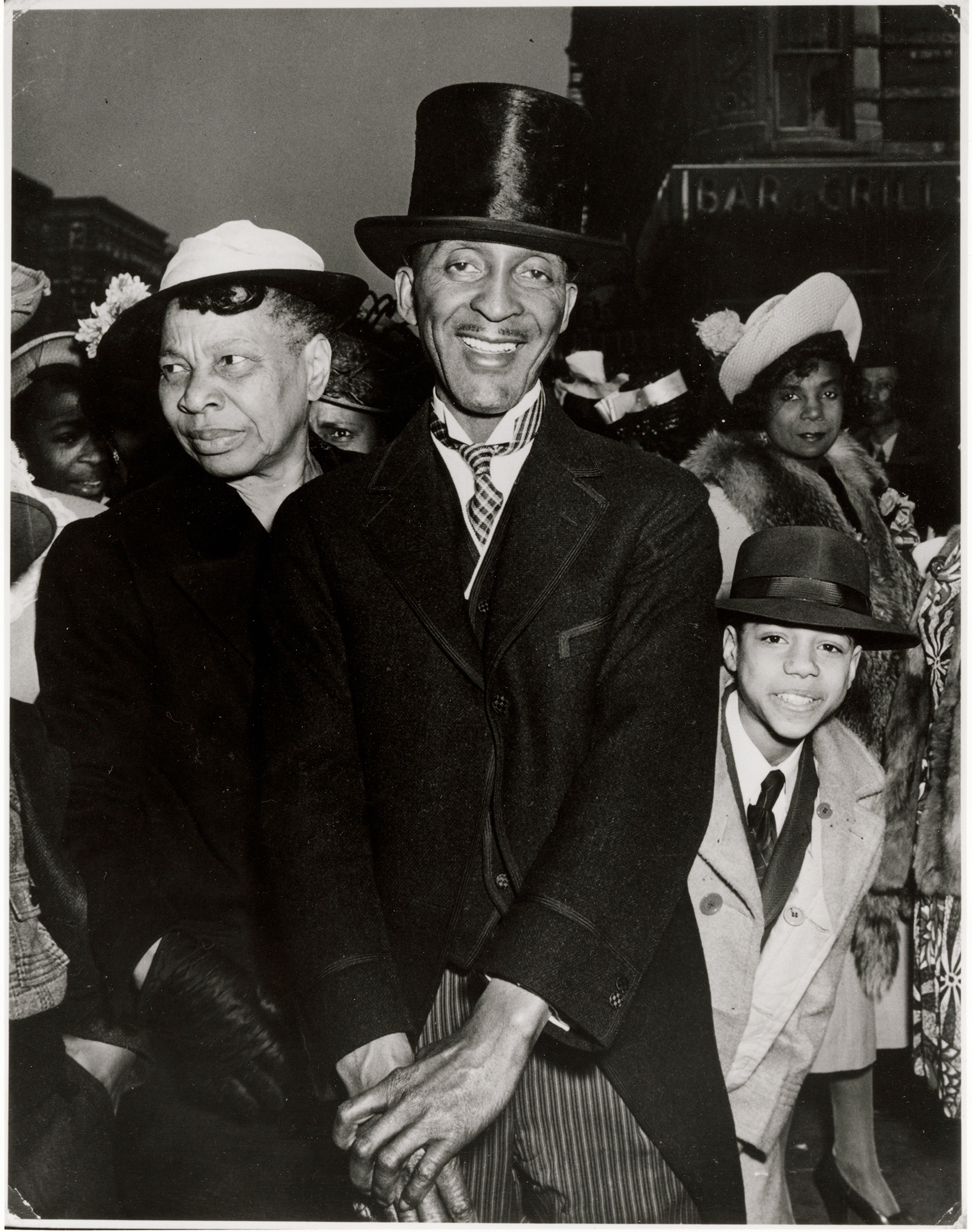
The photographer — real name: Arthur Fellig — was born in 1899. It is unclear where his nickname came from, although the most common explanation is that it originated during his early days being employed in a darkroom, where he worked as a “Squeegee Boy”. Weegee also compared the name to the pronunciation of “Ouija”.
Weegee’s work feels especially relevant these days, as we are now more focused than ever on the effect of consumer culture and the blurred line between reality and performance for the camera. For example, in today’s society: the phone camera.
Don’t just take our word for it — check out “Weegee: Society of the Spectacle,” a book that features 130 of his photographs, from glamorous party pictures, to grittier images of New York’s streets, comparing and contrasting the worlds he chose to spotlight.