BREAKTHROUGH TEEN ANGST
S.E.Hinton — The Novels + Films
Abusive behavior, spiritual threats and icy relationships were among the themes of S.E. Hinton’s childhood years. In these situations, writing is a coping mechanism, a lifeline, a way to prove to the child holding the pen that, yes, they do exist, and their words are real. It is writing which became the open-doored refuge of the founder of young adult novels as we know them today.
The Outsiders emerged when schoolyard bullies beat up one of her dearest friends for being what they called a “greaser” — ramshackle kids of blue-collar parents with car grease under their nails from free time spent hot-rodding. Hinton was 15 at the time, and craved a world in which the underdogs were celebrated for their tenacity and grit – traits of her friends that she understood well, and cherished.
No longer merely a brow-beaten teenager writhing for a chance to speak her truth, Hinton was empowered by the idea for The Outsiders. She turned to her pen and exhumed the first of what would develop into a repertoire of novels cradling the universal truths of belonging, acceptance, and fighting for what you believe in against the advice of those around you.
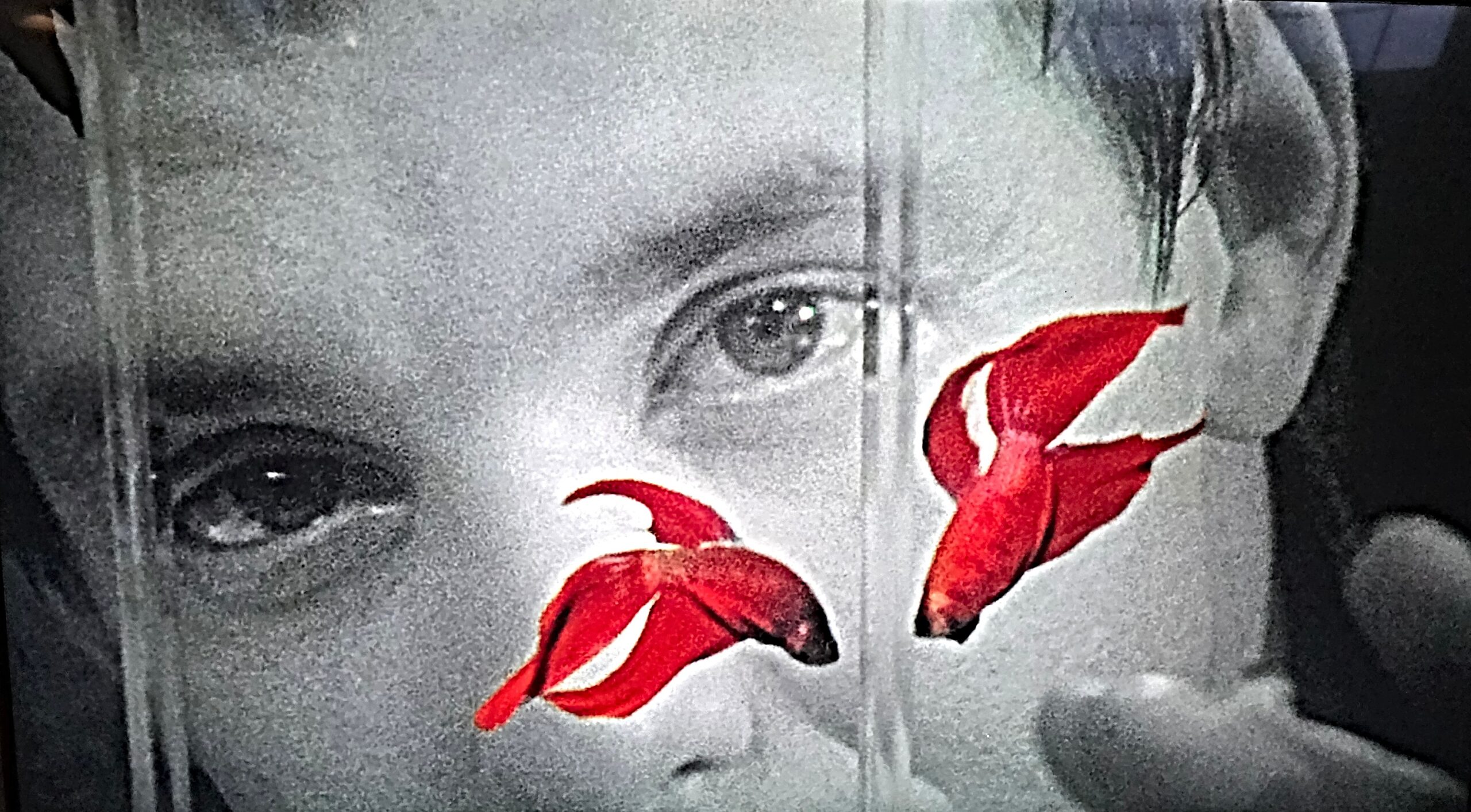
The Outsiders became a beloved classic passed down with the same reverence and care as a piece of family jewelry. Its story of socioeconomic class division has not tarnished with time, and resonates just as clearly with students now as it did when it was first published in 1967. The textural threads of Hinton’s own childhood – the beatings among schoolmates, the fire and brimstone of Oklahoman christianity, and the desperate need to defend oneself against the cruel and the privileged – weave into a familiar fabric that’s all too easy to get wrapped up in. Few contemporary books have enjoyed the longevity of The Outsiders, and with good reason.
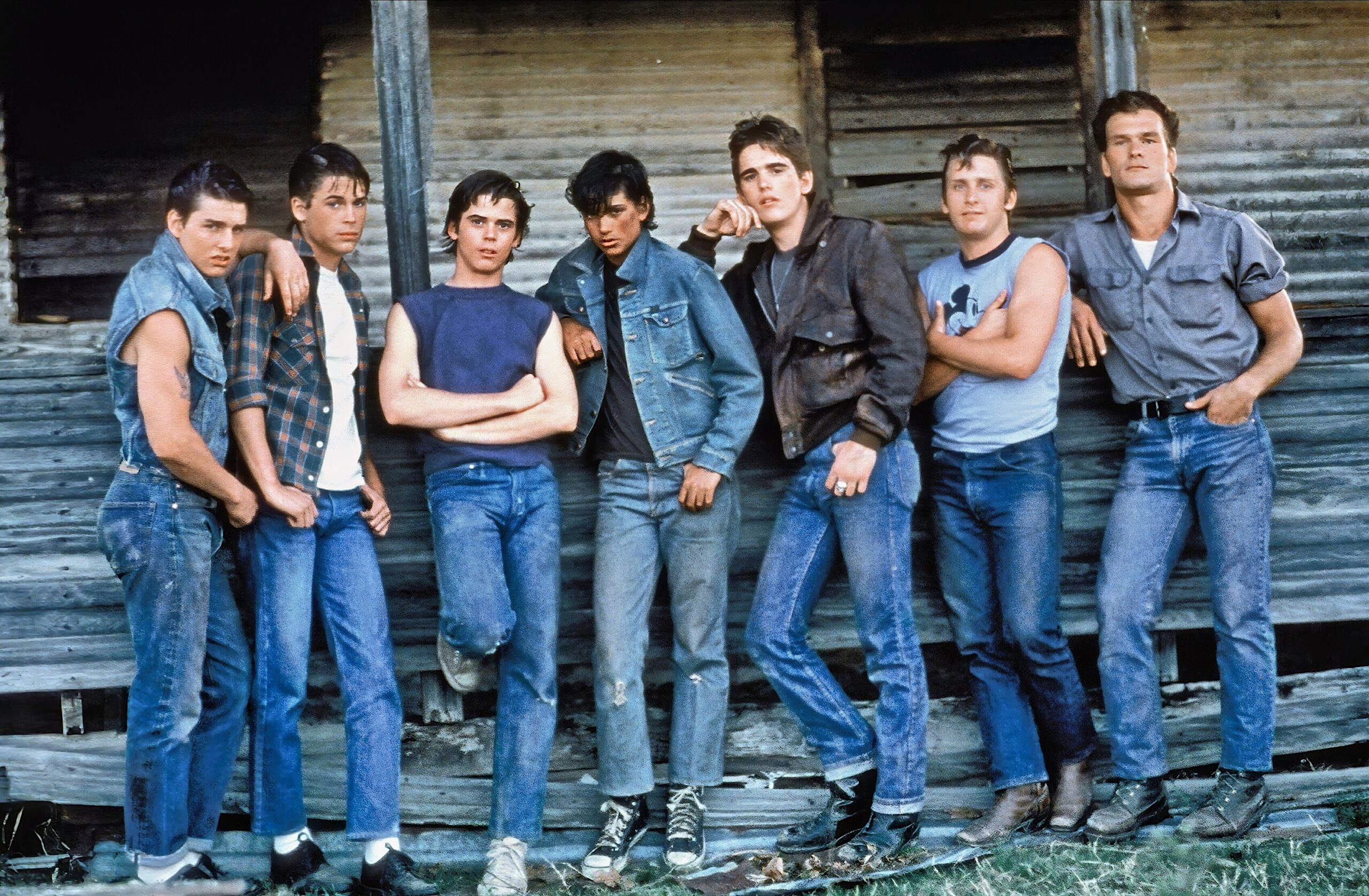
The voices of Hinton’s underdogs echo in anyone who has ever been the punchline of a joke or a punching bag for others. And there are still all too many of us who have been on those particular receiving ends.
“[The Outsiders] is still being used in schools,” Hinton explained in an interview with Writing Out Loud. “I hear from teachers that kids still relate to these guys even though they don’t have cell phones. They relate to the feeling of being an outsider in school. Some of them just feel like an outsider, some of them are in the same situation as the guys in the book. Some of them say it’s changed the way they deal with other people, so there are a lot of universal connections to be made to The Outsiders, because not only does it resonate in the United States – it’s all over the world.”
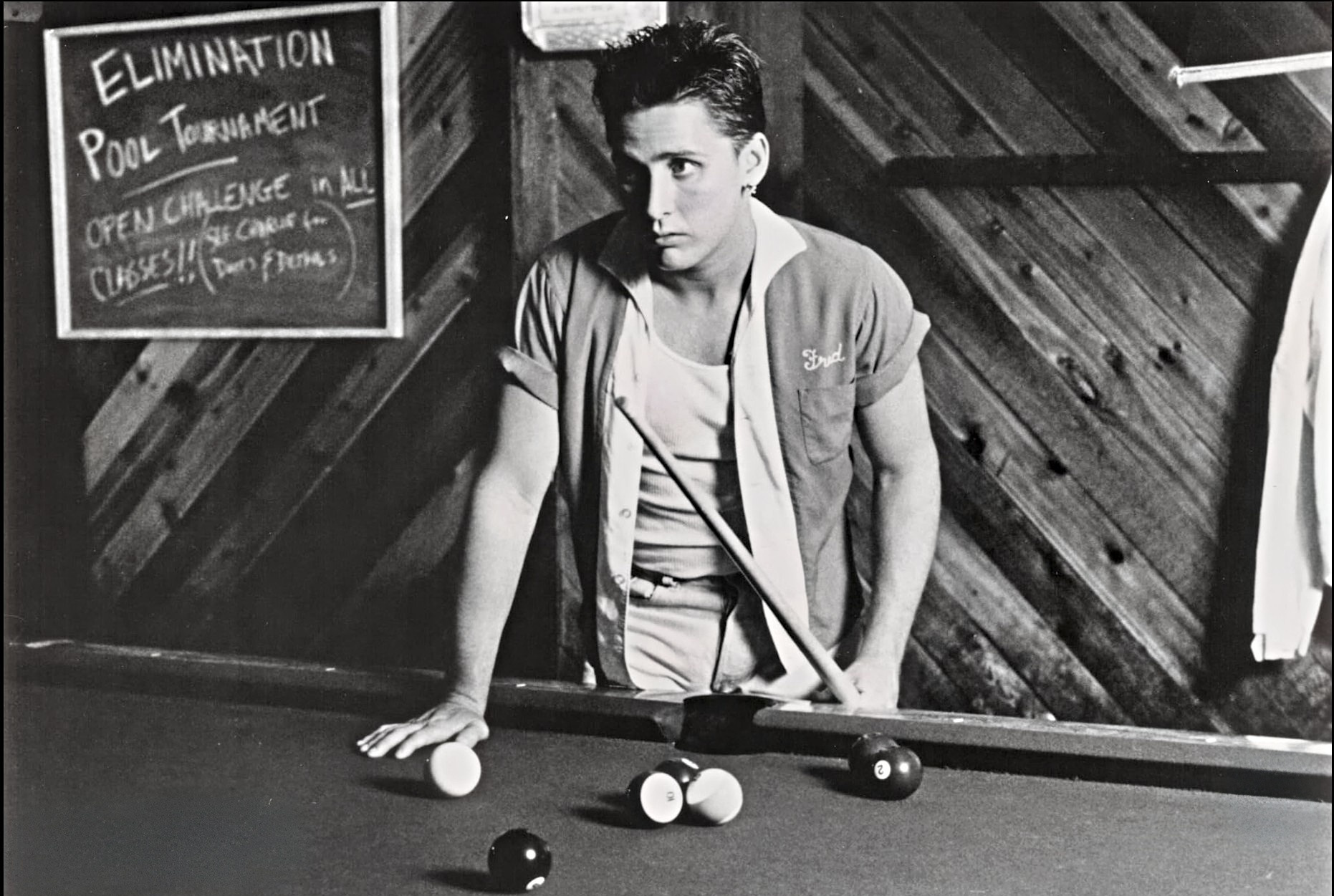
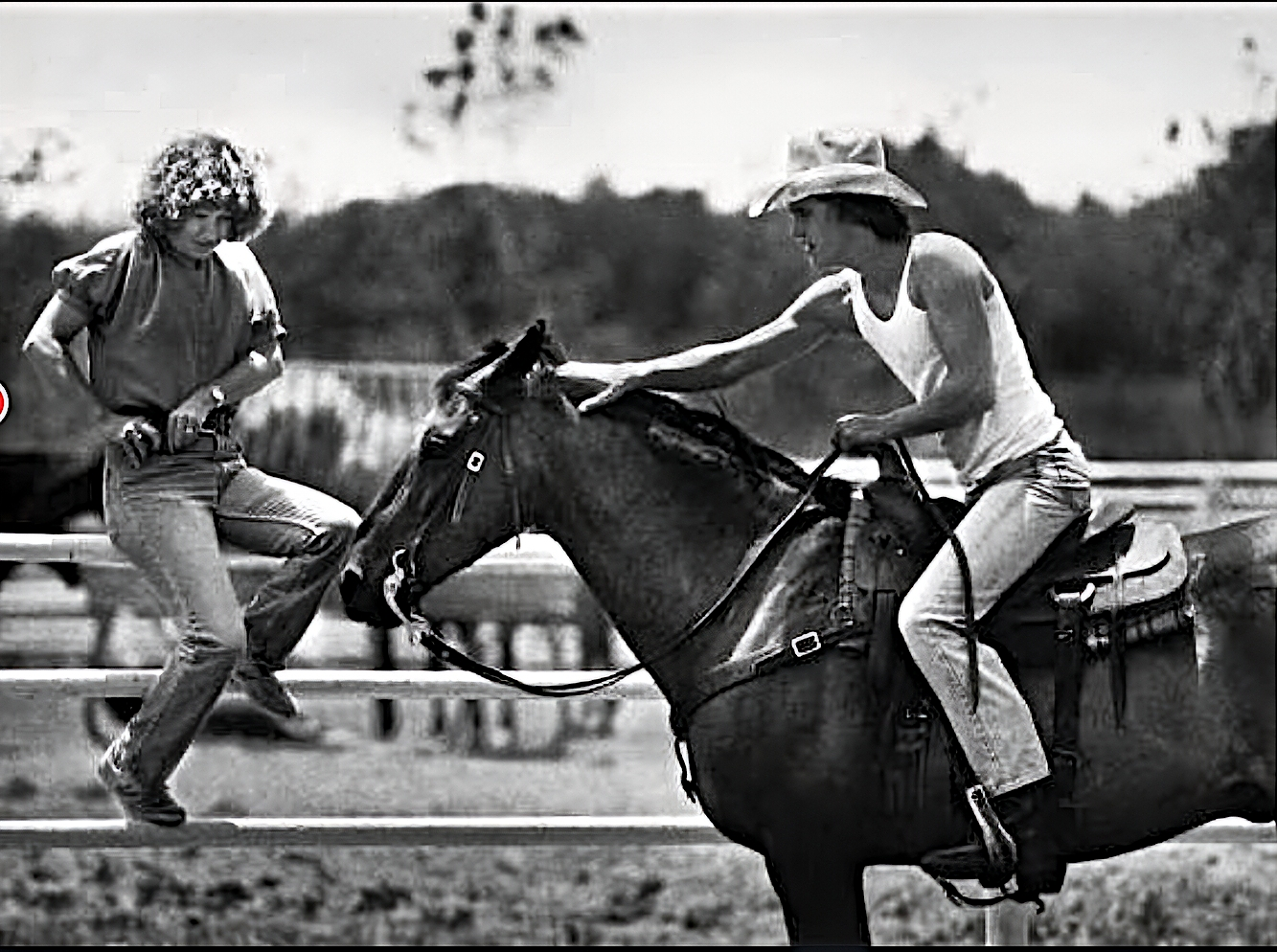
That Was Then, This Is Now, Rumblefish, and Tex followed in subsequent years as Hinton continued to write; she unfolded each novel from the perspective of a determined teenager whose world was torn apart by jealousy, drug deals, and tension among families. She writes with the razor-sharp edge of someone who has mastered the art of using her personal life as a whetstone.
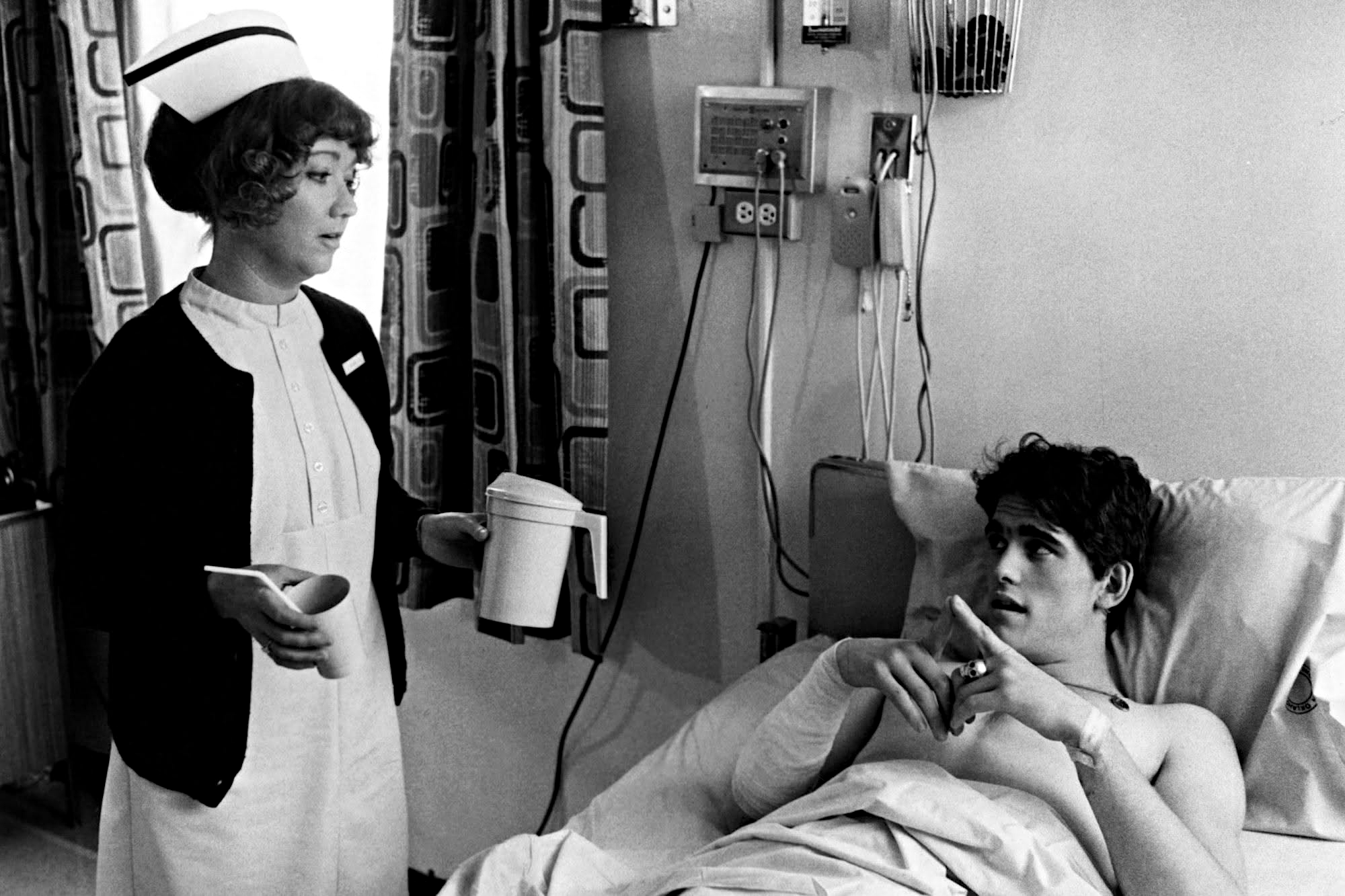
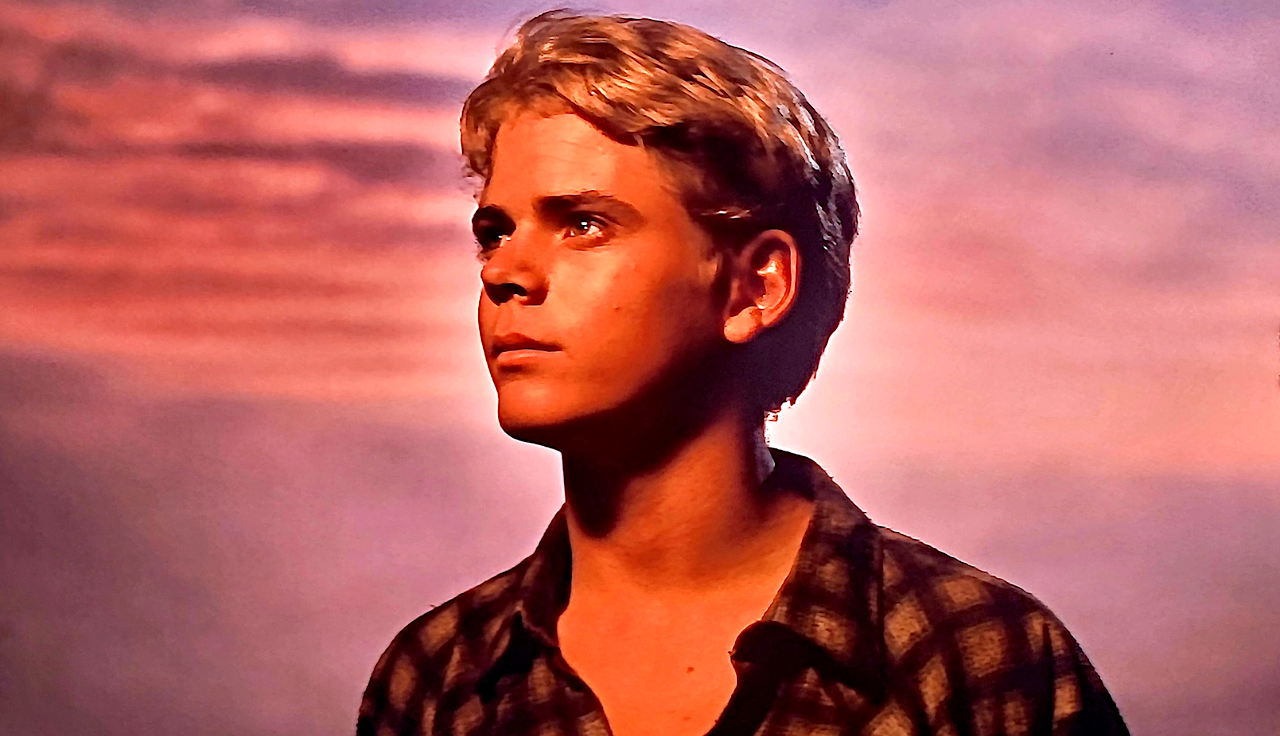
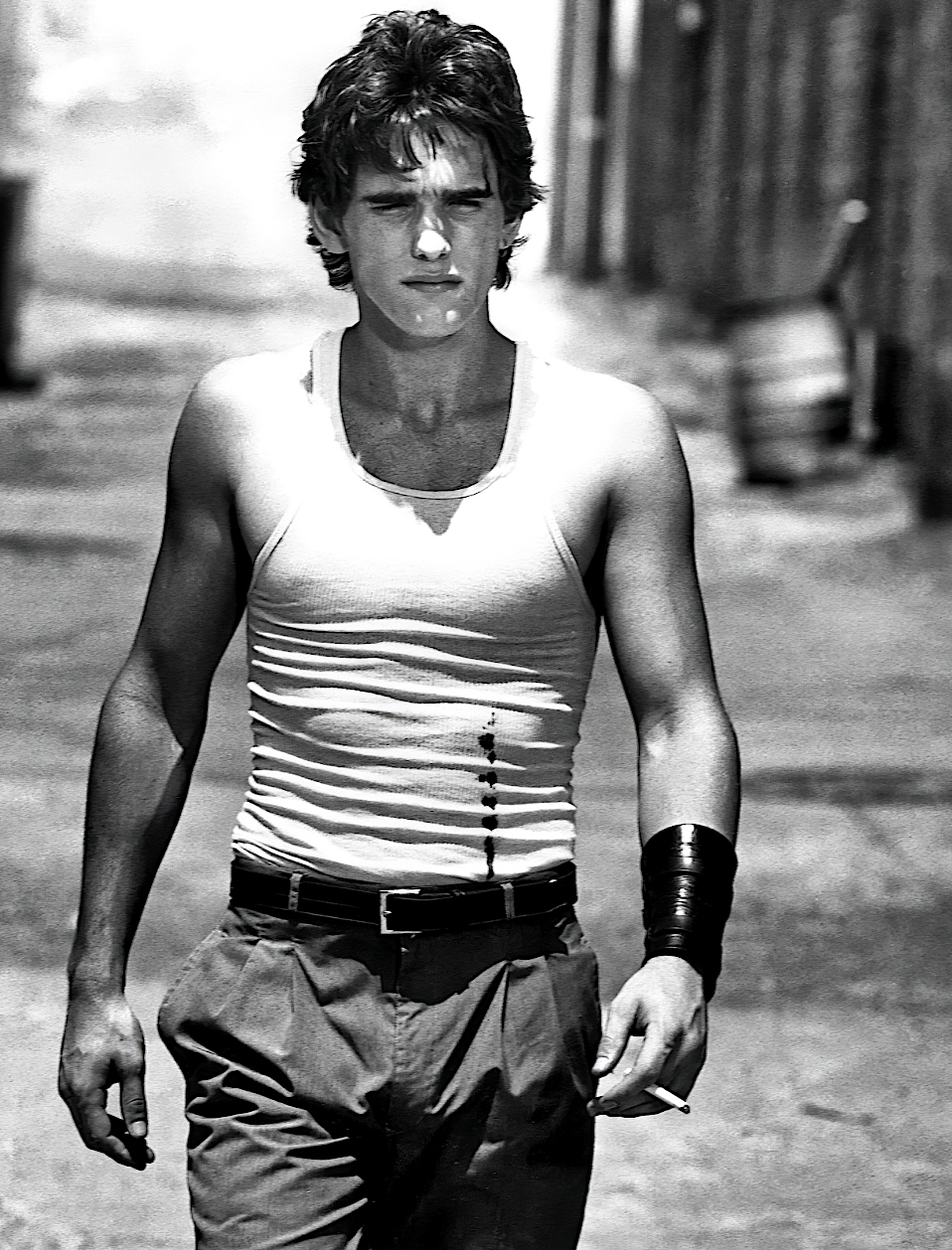
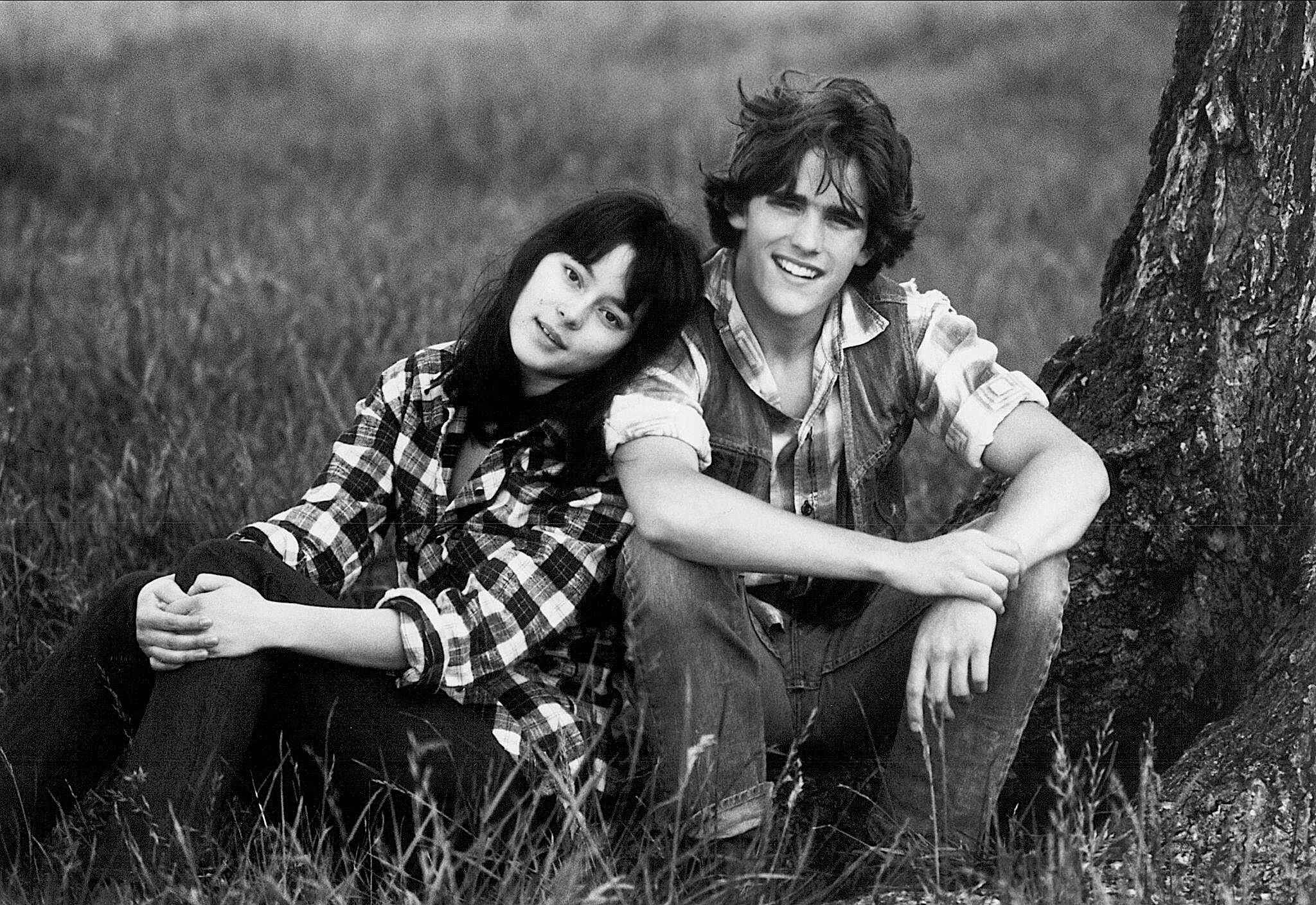
All four books were made into movies — Tex in 1982, Rumblefish and The Outsiders the following year, and That Was Then, This Is Now in 1985. The movies’ casts included a lot of overlap with the now-iconic Outsiders (1983) cast — Emilio Estevez starred in That Was Then, This Is Now, while Matt Dillon and Diane Lane appeared in Rumblefish. Estevez and Dillon also both starred in Tex.
Still considered a parental figure in young adult fiction, her writing dulls with neither time nor age. Lived experience only proves her themes more true. In the words of one of her most beloved first protagonists, she has managed to take her own advice.
Stay gold, Ponyboy.